Spatial Evolution: High-Density Demands & Modular Adaptability in NZ
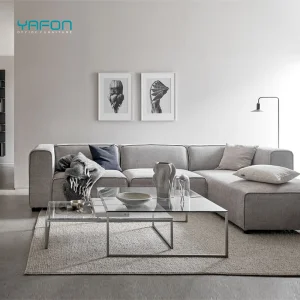
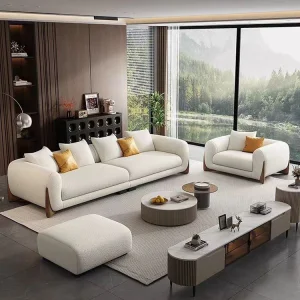
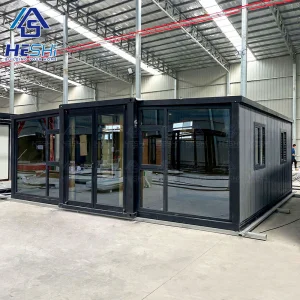
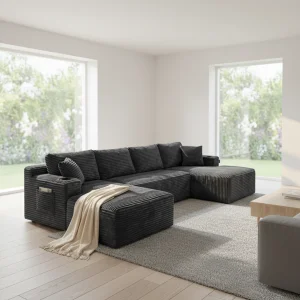
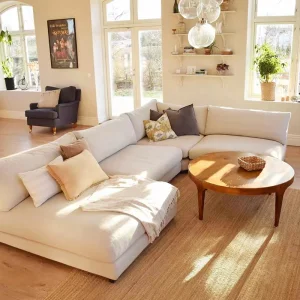
The New Zealand construction and design sector is undergoing a profound structural shift. Driven by urban intensification strategies in metropolitan centers like Auckland and Wellington, and the rapid rise of medium-density residential developments under the National Policy Statement on Urban Development (NPS-UD), spatial design has transitioned from expansive footprints to highly optimized, multi-functional envelopes. Within this context, traditional fixed-configuration furniture represents a spatial constraint, prompting architects, commercial developers, and high-end residential specifiers to turn toward precision-engineered modular and sectional furniture systems.
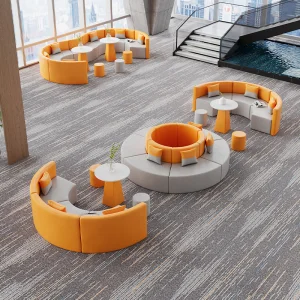
For commercial real estate, corporate headquarters, and student housing developments, adaptability is no longer a luxury—it is an operational necessity. High-density urban environments demand spatial agility. Modular configurations allow facilities managers to easily repurpose common spaces, converting an open-plan collaborative work zone into an event layout or a semi-private reception lounge. This flexibility not only extends the lifecycle of physical assets but directly supports architectural programs aligned with modern activity-based working (ABW) parameters.
"True modularity lies at the intersection of material science and spatial architecture. By engineering furniture as discrete, interconnecting structural units rather than rigid blocks, we unlock multi-dimensional layout capabilities while achieving unparalleled load-bearing integrity."
Global Procurement & Supply Chain Resilience for Oceania
Sourcing large-scale, commercial-grade furniture into New Zealand presents distinct logistical and supply chain challenges. Given NZ's geographic isolation, long transit times, and strict environmental regulations, international procurement requires a highly sophisticated manufacturing partner. B2B buyers—ranging from property developers and hotel procurement groups to corporate interior designers—must navigate freight volatility, structural compliance verification, and potential delays at ports of entry.
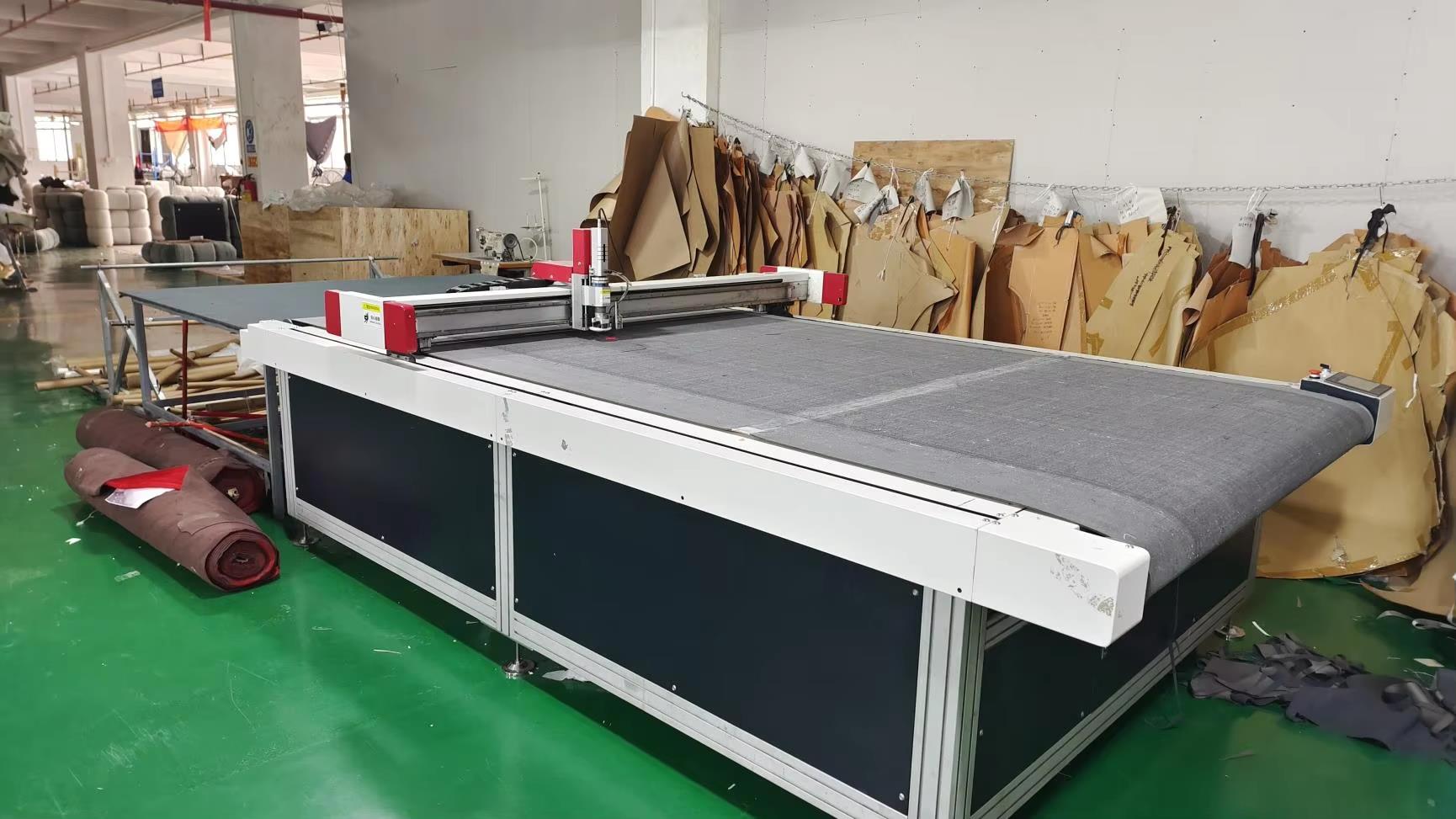
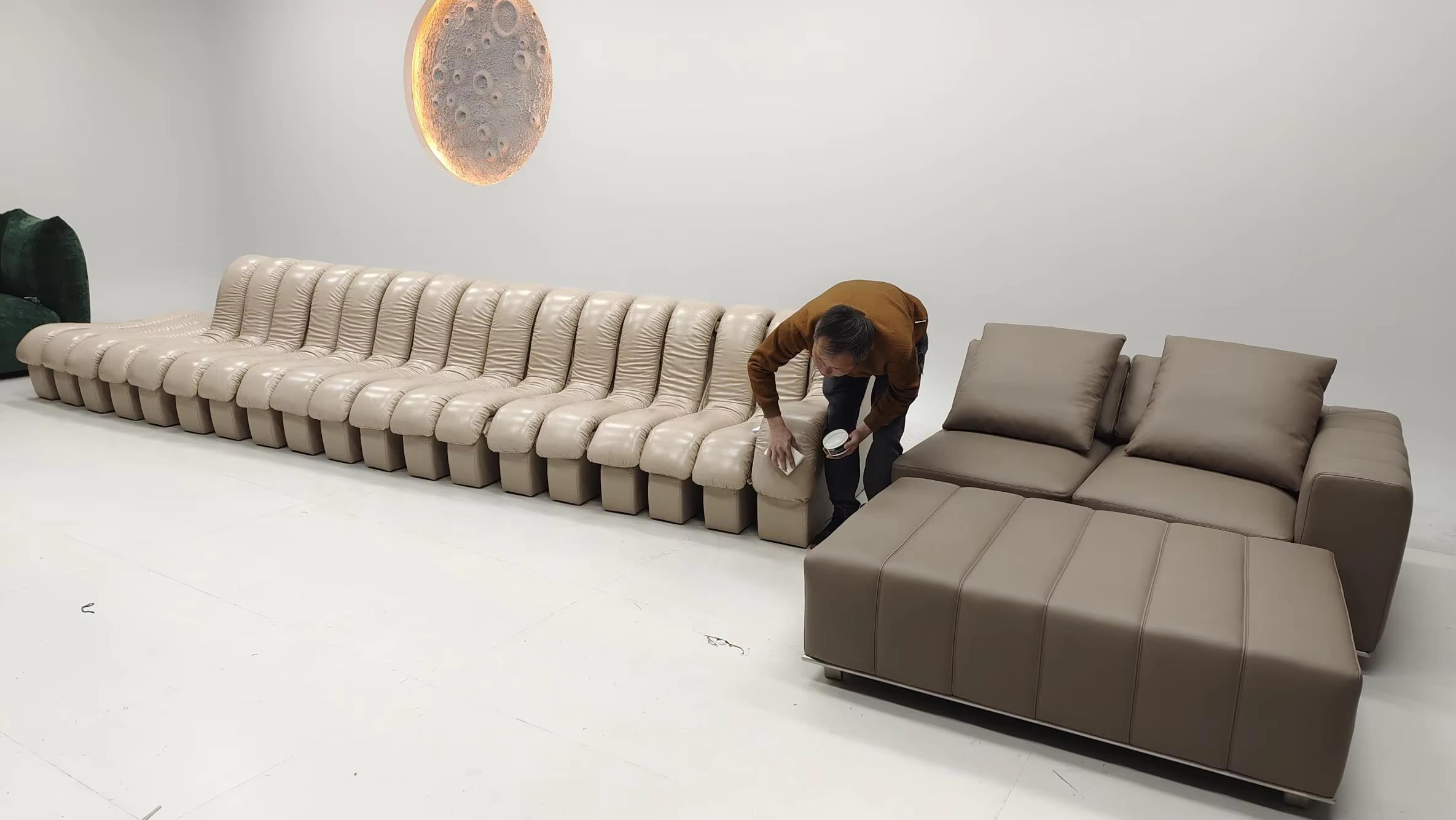
Foshan GranTree Furniture Co., Ltd. resolves these challenges by offering a fully integrated, end-to-end manufacturing and logistics ecosystem. Utilizing consolidated container optimization protocols, moisture-controlled shipping preparation, and precise compliance documentation, we ensure that premium modular sofas, sectionals, and industrial modular systems transit seamlessly from our 163,000 m² state-of-the-art facility to major New Zealand ports, including Auckland, Tauranga, and Lyttelton. Our structural and chemical preservation methods prevent dynamic warping and degradation during ocean transit across different climate zones.
Technical Engineering Roadmap: High-Performance Materials & Compliance
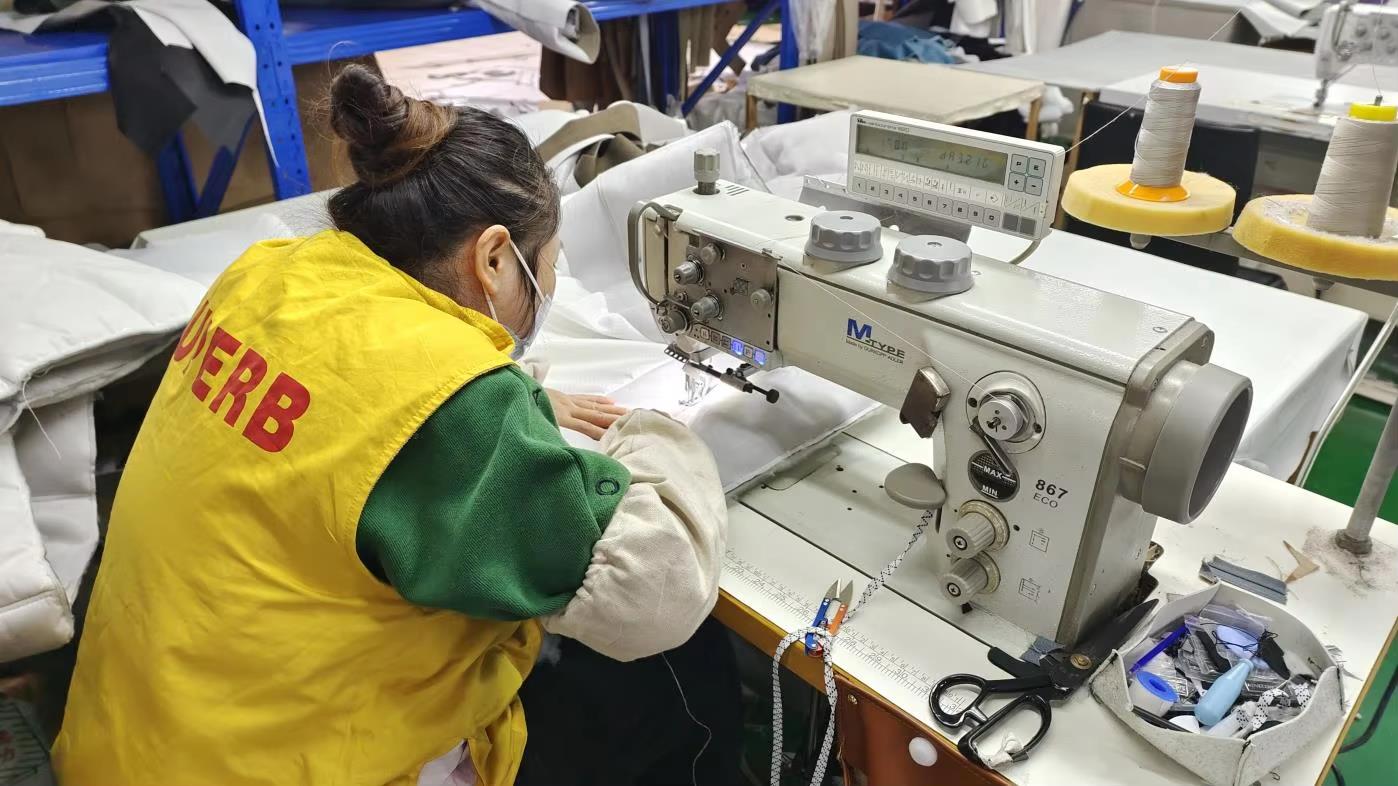
Every modular section we manufacture is engineered to withstand high-occupancy commercial and residential wear. Our engineering roadmap prioritizes mechanical durability, occupant wellness, and environmental stewardship:
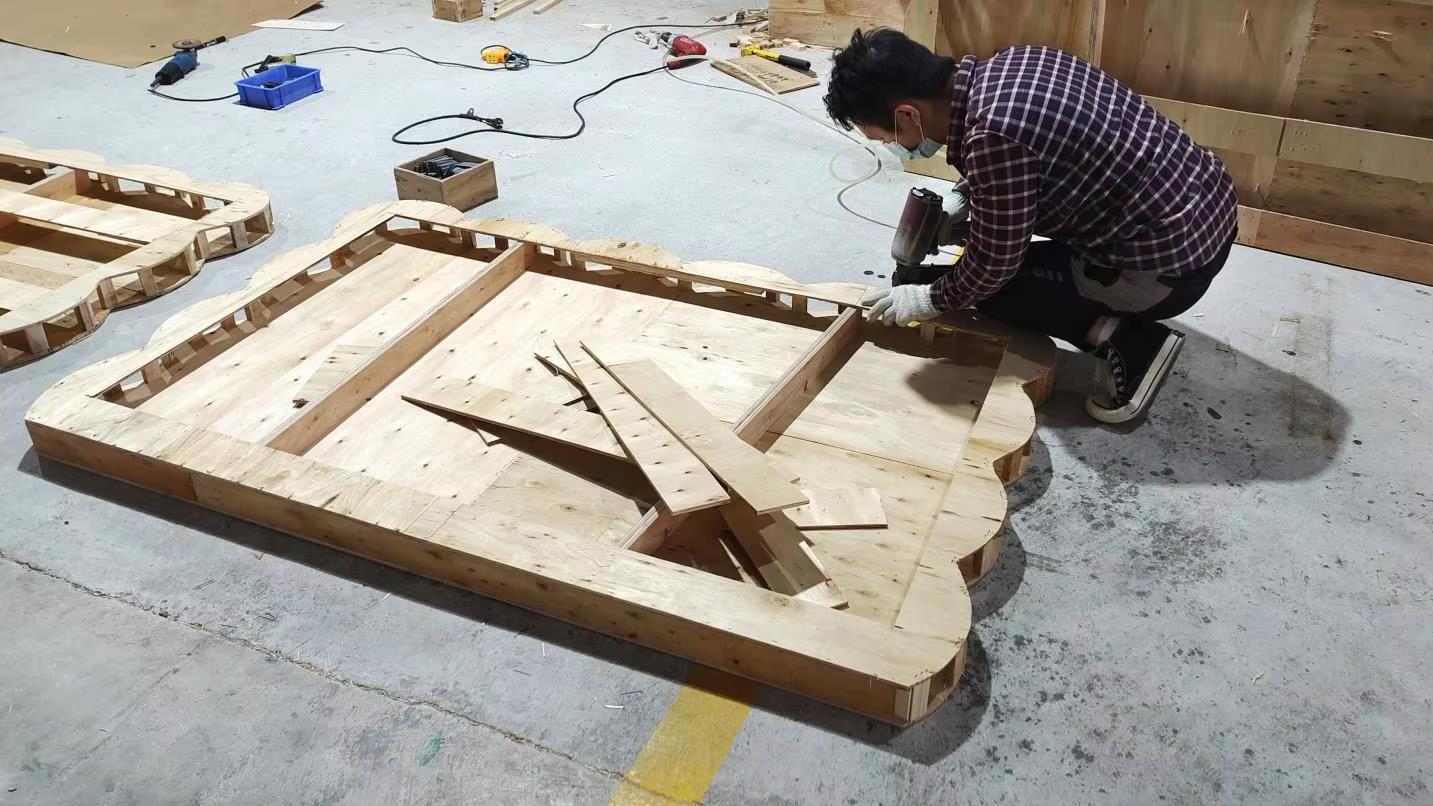
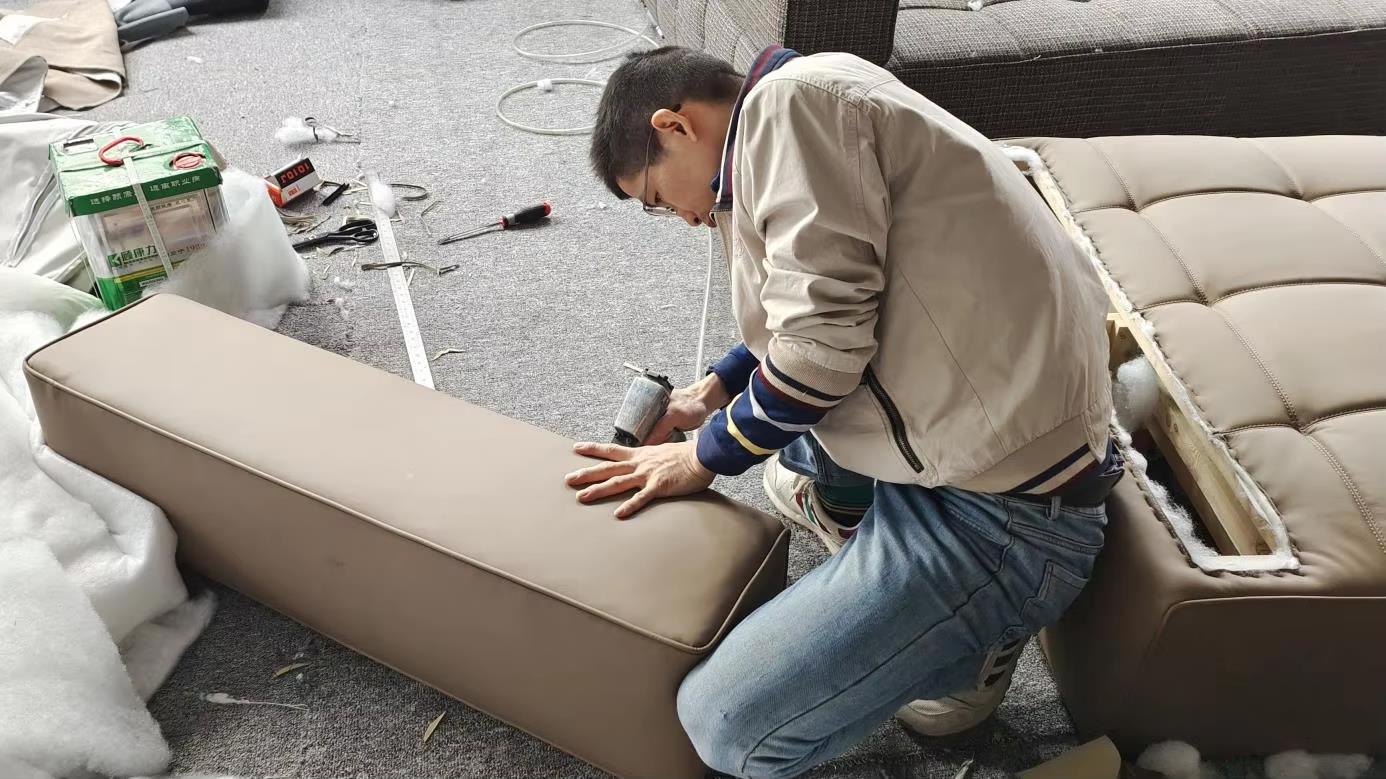
- Structural Framing: Kiln-dried, multi-layered solid timber frames combined with reinforced steel brackets, engineered to resist warping and dynamic load stress, conforming to localized structural load requirements.
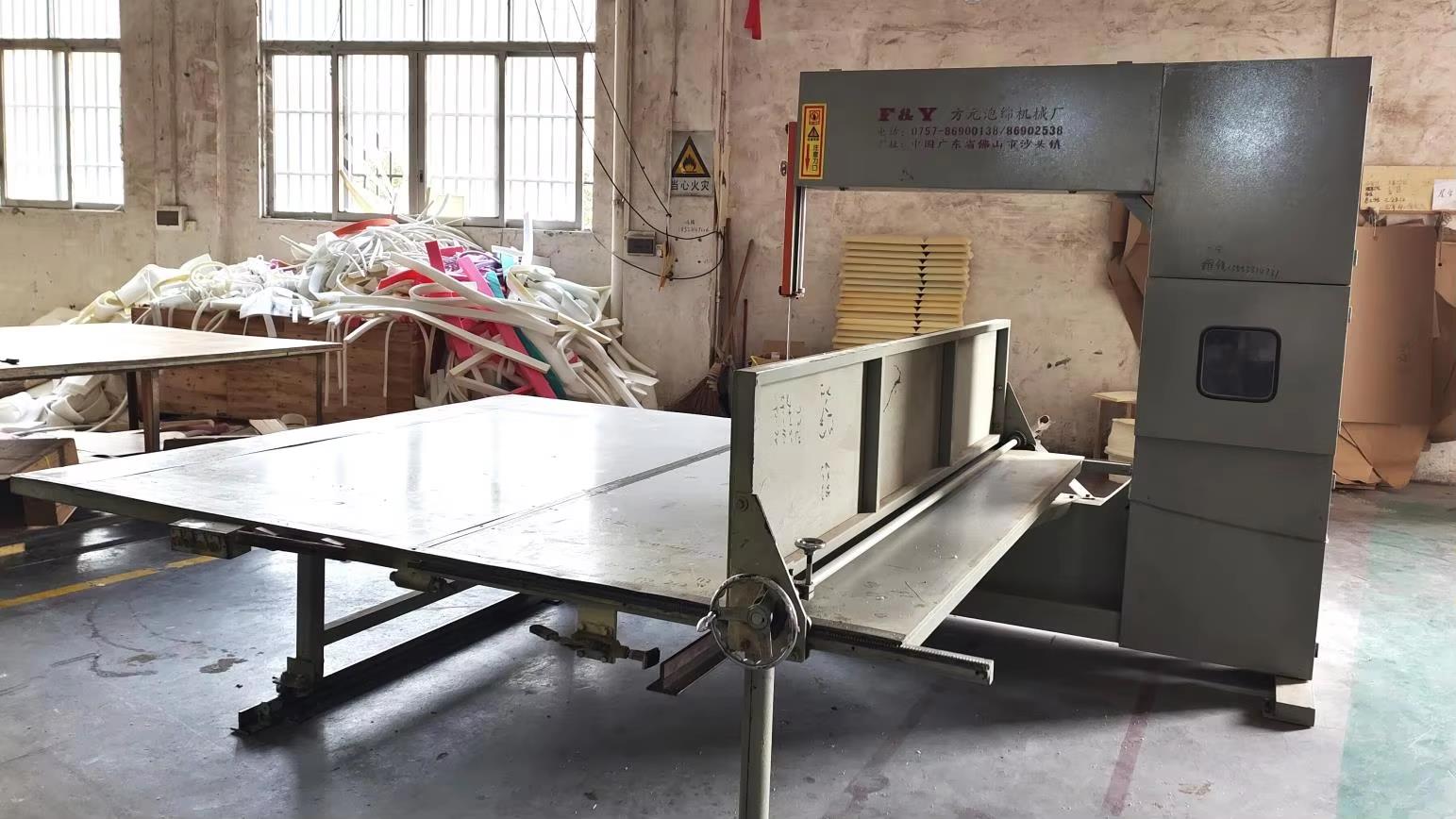
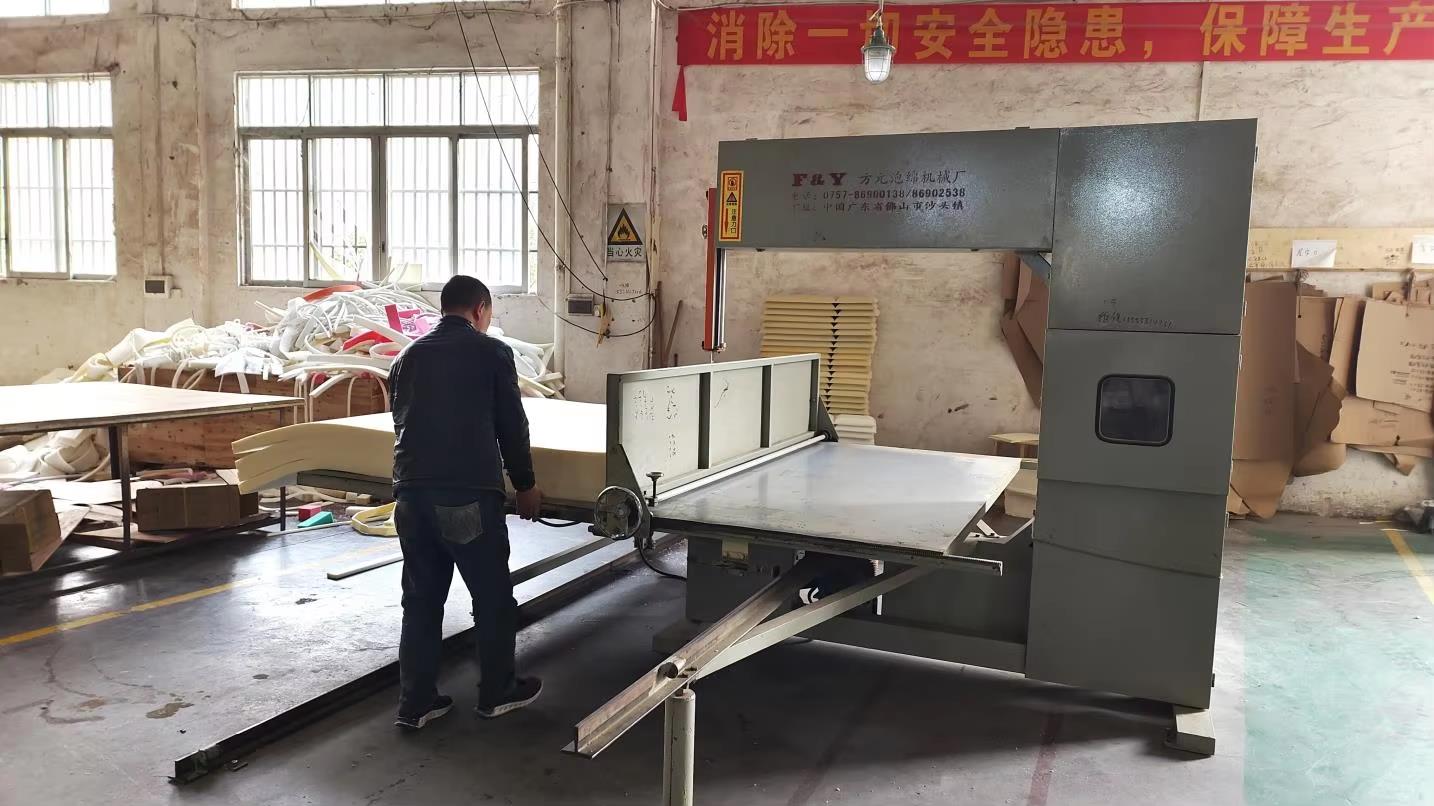
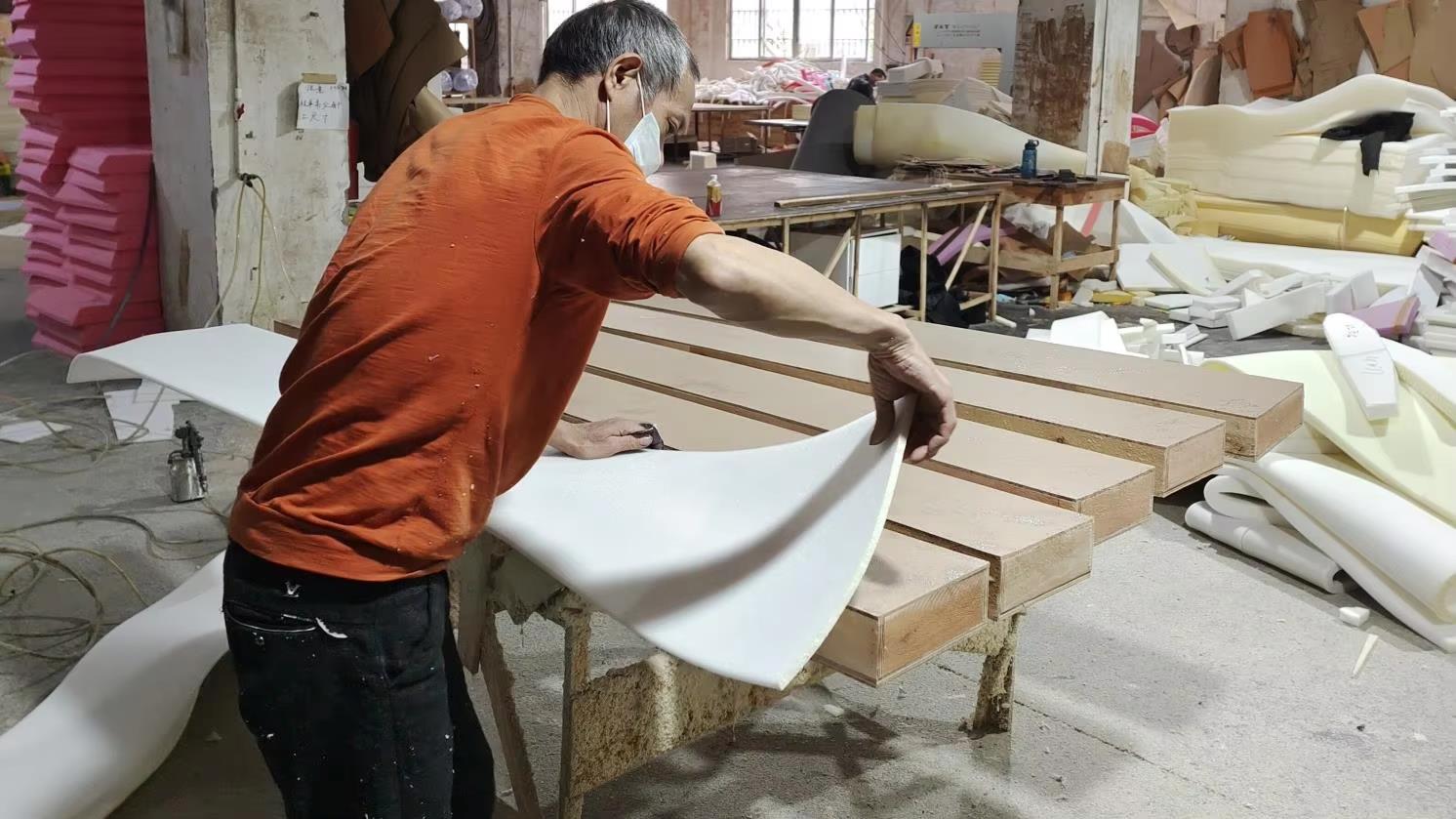
- Comfort & Support Matrices: High-resilience, high-density polyurethane foam bases layered with memory foam or premium duck feathers. This matrix provides optimal pressure distribution, prevents sagging, and maintains its geometric profile under continuous use.
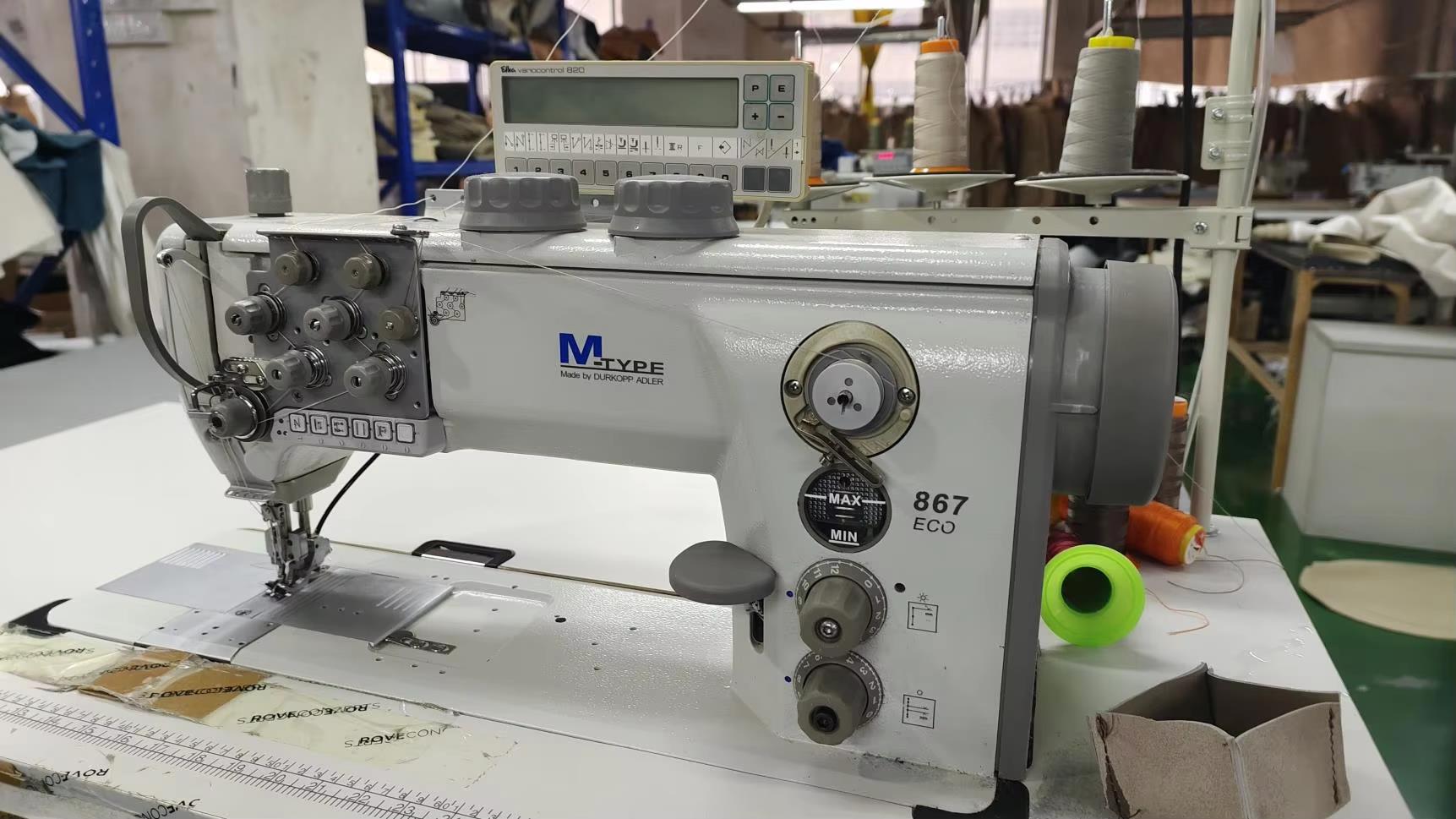
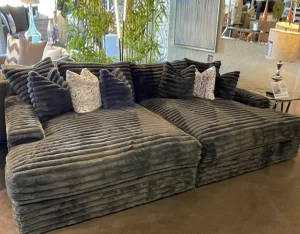
- Advanced Textile Engineering: Our selection of commercial-grade velvet, linen, and synthetic leathers are certified for rub tests (up to 100,000 Martindale cycles), featuring stain-resistant, liquid-repelling, and easy-clean coatings.
- Environmental Compliance: Strictly conforming to New Zealand’s biosecurity laws and international environmental standards, our raw materials carry E1/E0 formaldehyde certifications, aligned with Homestar and Green Star NZ architectural requirements.