Curated Interior Portfolio & Key Architectural Selections
Explore our top-tier furniture models, engineered specifically to blend high durability with contemporary aesthetic designs for global contract environments.
The Evolution of Modern Entryway Design: A Socio-Spatial Paradigm
In contemporary architectural theory, the entrance is no longer treated merely as a transitional corridor or a secondary threshold. Instead, it is identified as a critical spatial UX touchpoint that dictates the psychological and functional transition from the public outer world to private inner sanctuaries. Globally, urban densification and the rise of multi-functional spaces have accelerated the demand for sophisticated, space-optimized, and aesthetically integrated entryway systems.
For commercial facilities, boutique hotels, and high-end residential real estate developments, the entryway serves as the physical manifestation of brand identity. A poorly designed foyer can compromise the acoustic, thermal, and spatial efficiency of an entire property. Consequently, architectural specification teams and procurement directors look for design paradigms that balance spatial engineering with advanced material science.
Spatial Consolidation
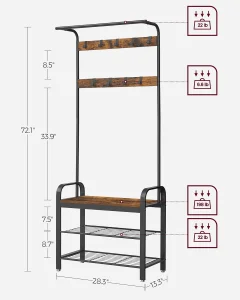
Optimizing limited square footage through integrated seating, multi-tier shoe storage, coat rails, and hidden charging components, converting corridors into high-yield zones.
Material Durability
Deploying water-resistant wood cores, anti-abrasive surface laminates, and heavy-duty structural steel to withstand consistent daily physical impacts and climate stress.
Smart Home Synergy
Embedding smart lock compatibilities, ambient LED lighting tracks, motion sensors, and sterilization compartments (UV-C) directly into custom paneling.
Global Corporate Procurement & Supply Chain Dynamics
Large-scale B2B procurement in the furniture sector is characterized by rigorous verification phases. Real estate conglomerates, general contractors, and FF&E (Furniture, Fixtures, and Equipment) procurement companies face multi-dimensional risks: supply chain disruptions, material quality inconsistencies, and non-compliance with regional regulatory standards.
A successful sourcing strategy requires collaborating with dynamic OEM/ODM manufacturing partners capable of balancing volume output with micro-level customization. Manufacturers must possess robust testing protocols, transparent material provenance, and agile logistics pipelines to guarantee cost-efficiency without compromising the product's architectural integrity.
Advanced R&D Integration
Transforming complex conceptual CAD blueprints into structural models. We conduct stress analysis, joint loading tests, and weight distribution simulations prior to tooling.
Global Standards Compliance
Guaranteeing all core materials comply with CARB Phase 2, EPA TSCA Title VI, FSC certifications, and BS/EN fire retardancy specifications for absolute tenant safety.
Seamless End-to-End Logistics
From sea-freight optimized flat-pack designs (RTA) to protective foam-in-place packaging for fully assembled items, ensuring safe long-distance container transit.
About Foshan GranTree Furniture Co., Ltd.
A premier, technology-driven contract furniture manufacturer with an established 20-year footprint in design excellence and industrial scale.
Foshan GranTree Furniture Co., Ltd. stands at the forefront of China’s high-end contract furniture manufacturing sector. Operating from our state-of-the-art 163,000 m² modern production facility, we provide comprehensive, vertical OEM/ODM solutions to design firms, real estate giants, and commercial developers globally. With two decades of dedicated industrial manufacturing, we have engineered a highly integrated supply chain that spans material sourcing, automated machining, artisan hand-upholstery, and international logistics.
At GranTree, we bridge the gap between creative architectural concepts and volume manufacturing. By integrating precision CNC manufacturing with handcrafting traditions, we ensure each production run meets the tolerances required for rapid installation. Whether supporting large residential build-outs or high-end bespoke boutique hotel schemes, GranTree delivers quality, performance, and long-term design value.
Industrial Step-by-Step Production Process
Our factory utilizes strict process checkpoints and advanced machinery to maintain accuracy across all product categories.
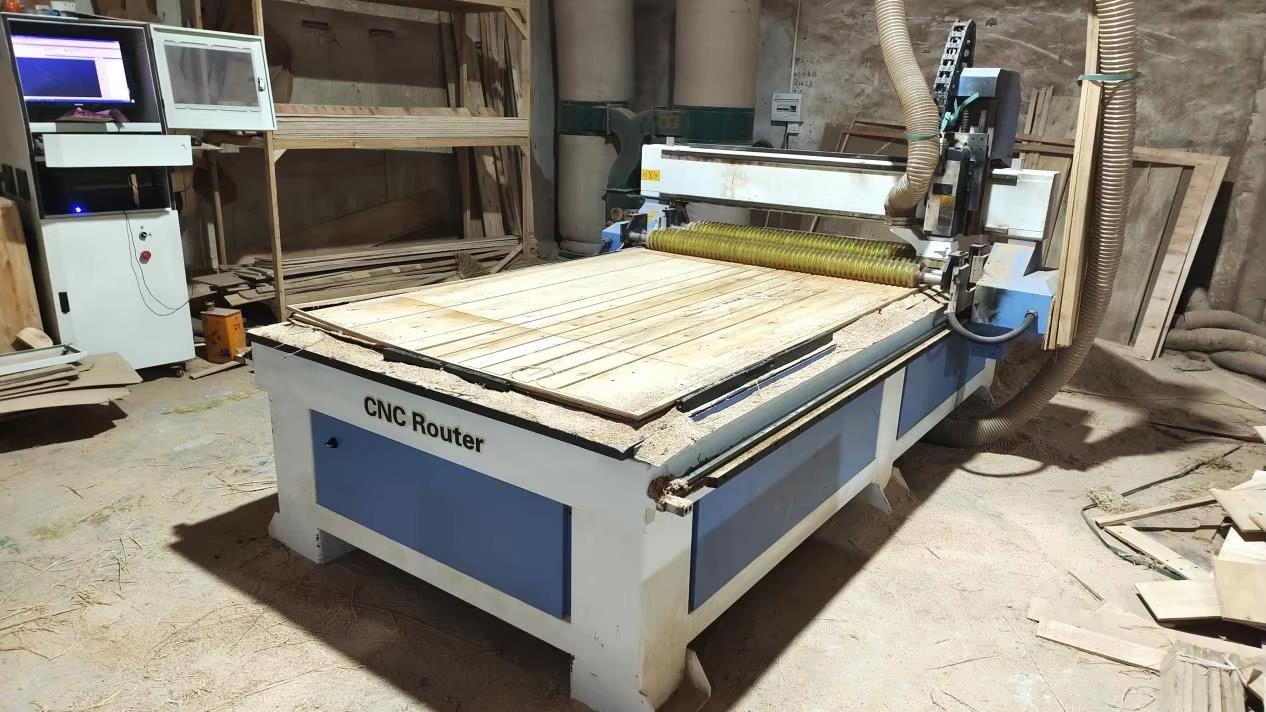 Step 01
Cutting (Wood)
Precision computer-guided dimensional panel sizing to establish straight, uniform panels and solid structural frameworks.
 Step 02
Laser Engraving (Wood)
Micro-precision laser technology detailing patterns, joint markers, and brand identifiers with zero margin of error.
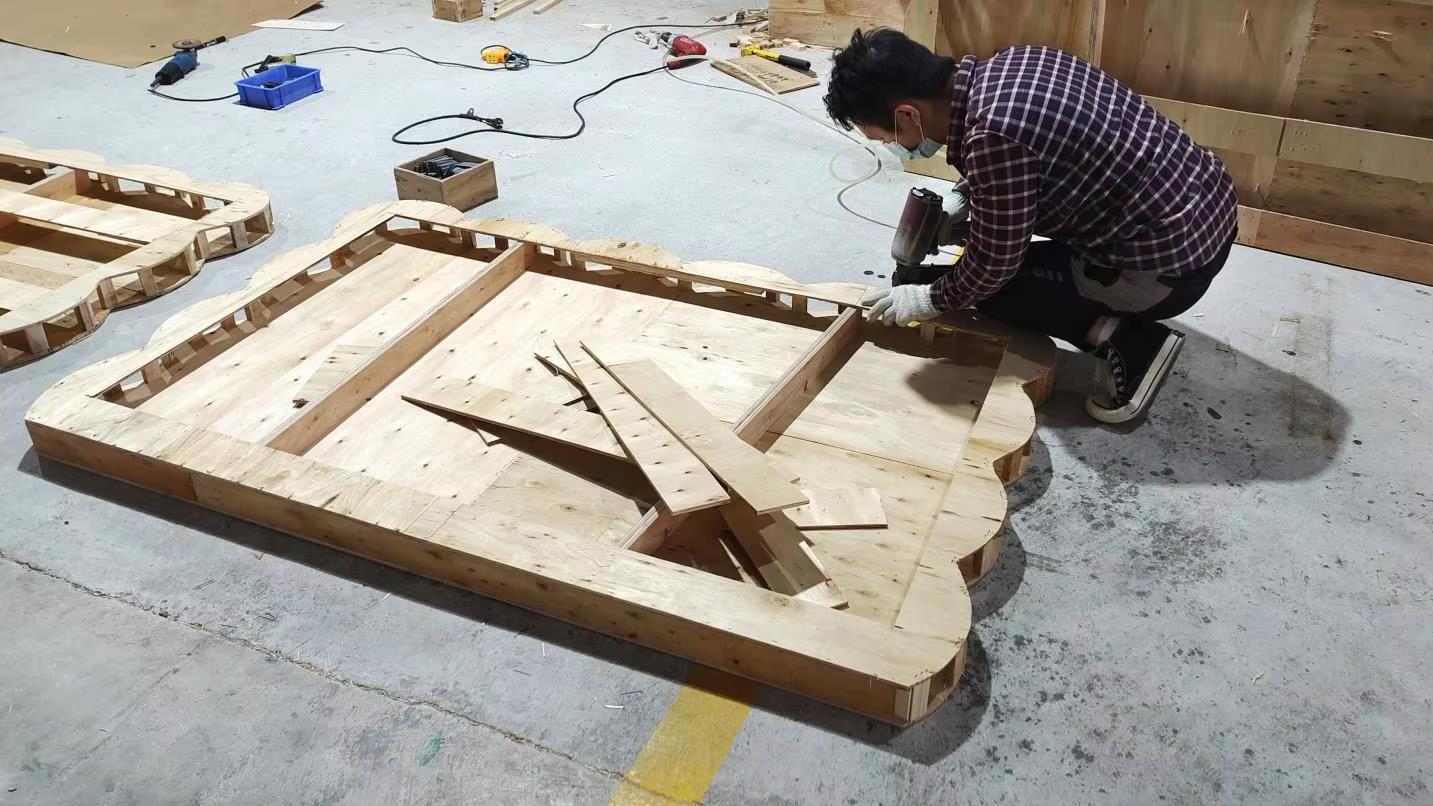
 Step 03
Nailing the Frame
Assembling structural joints with reinforced dowels and premium fasteners for long-term load bearing.
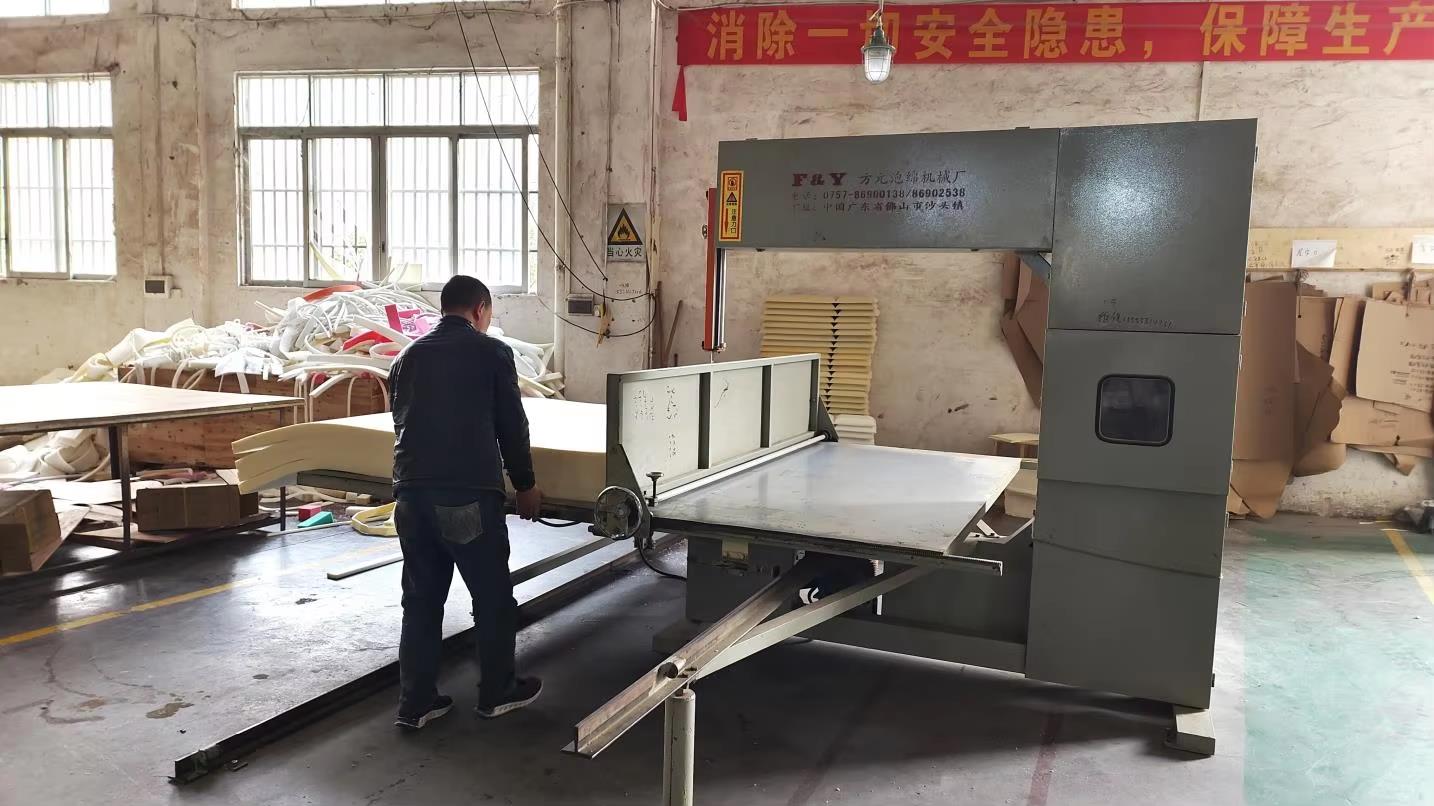
 Step 04
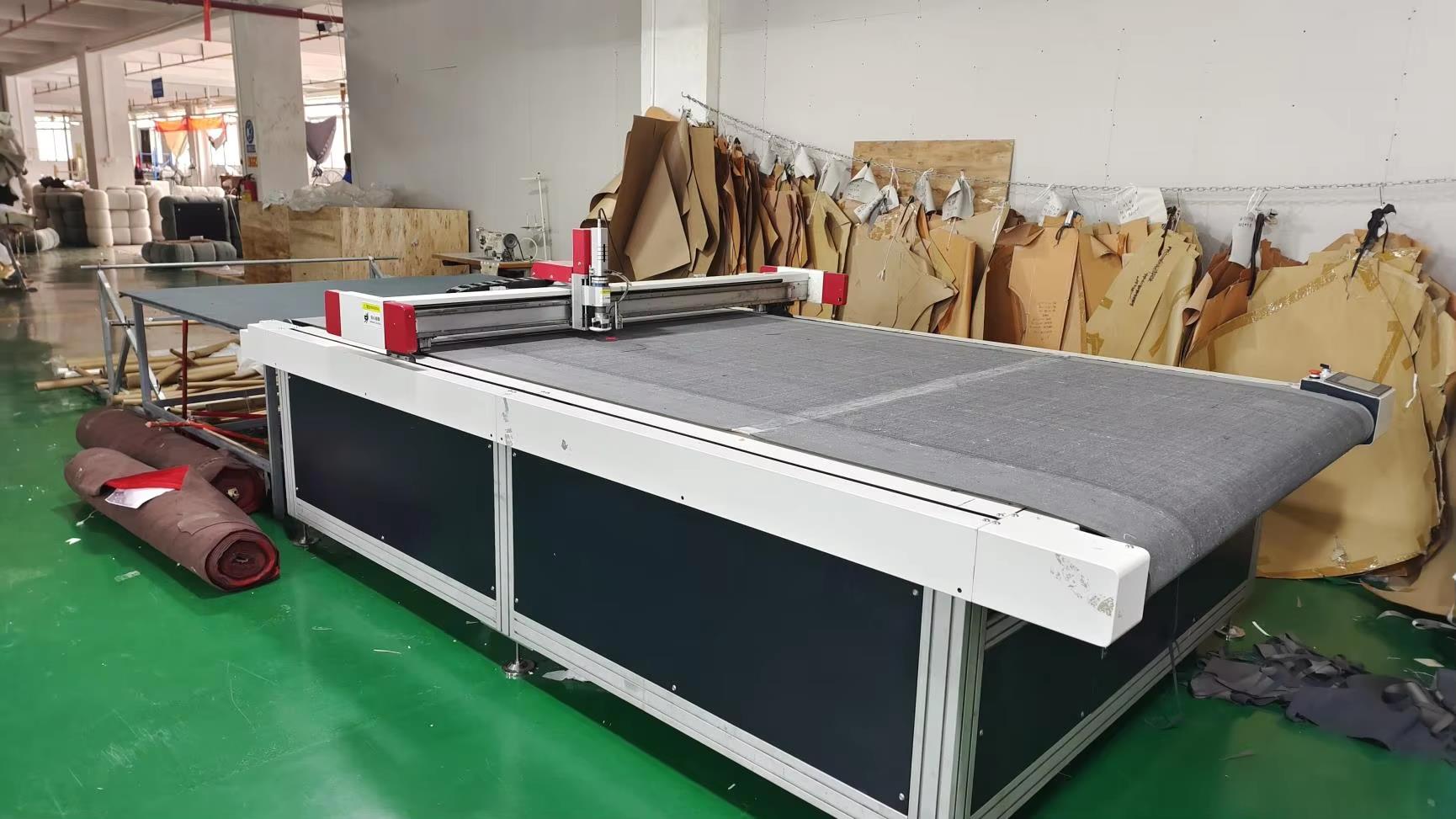
Cutting (Leather)
Selecting and cutting upholstery hides using digital nesting systems to reduce waste and eliminate surface flaws.
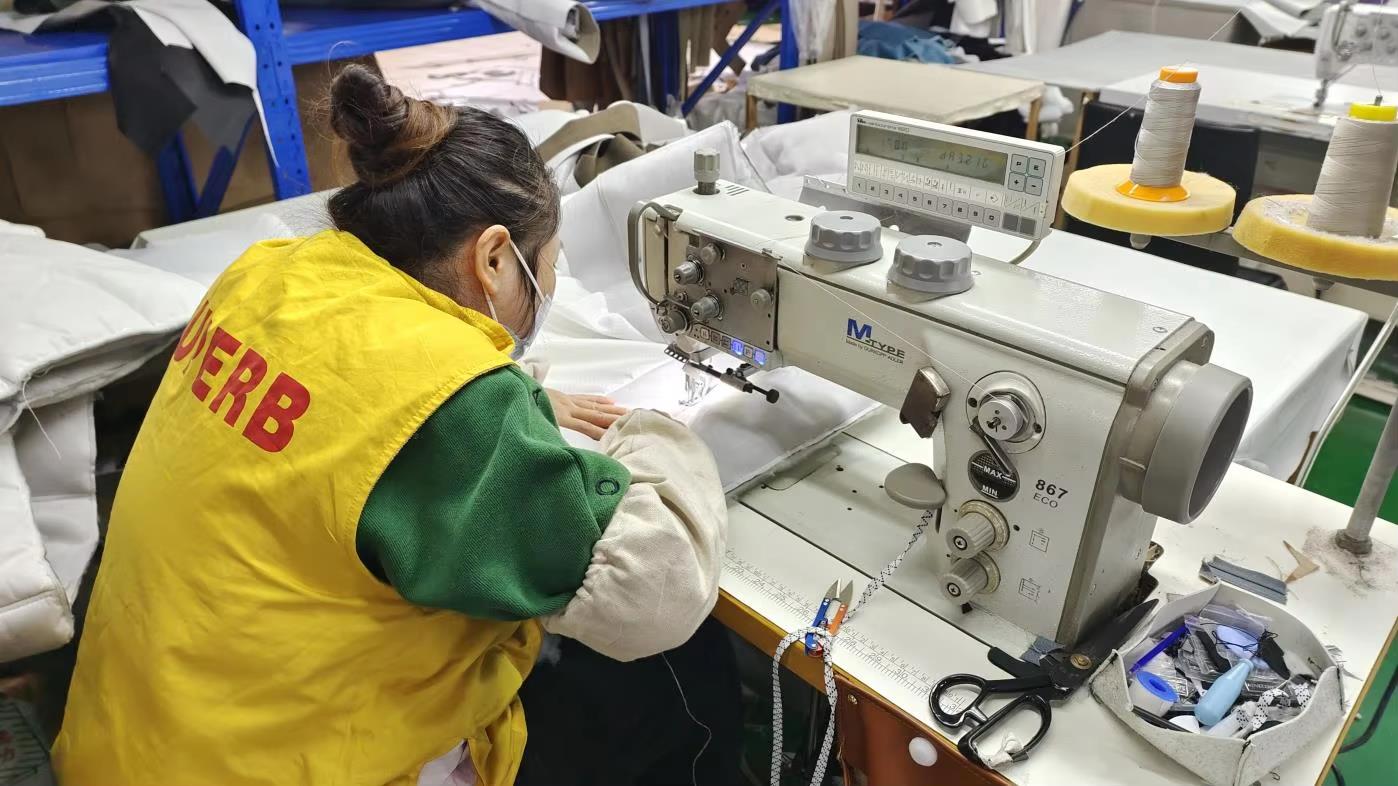
 Step 05
Sewing
Applying heavy-duty industrial stitching with high-tensile threads to ensure durable seams under commercial usage.
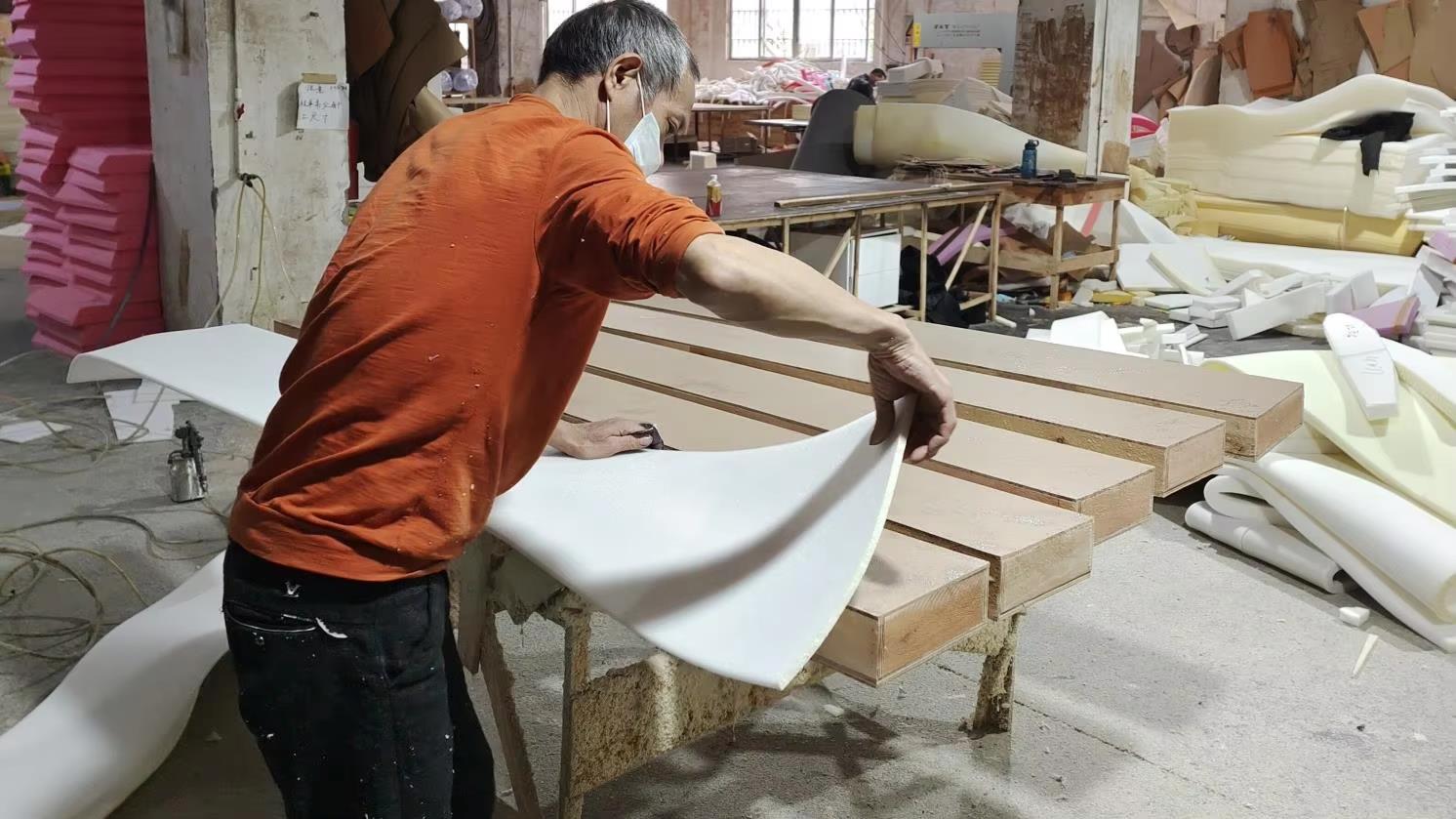 Step 06
Cutting (Sponge)
Shaping high-resilience foam layers of varying densities to balance ergonomic support with design profile requirements.
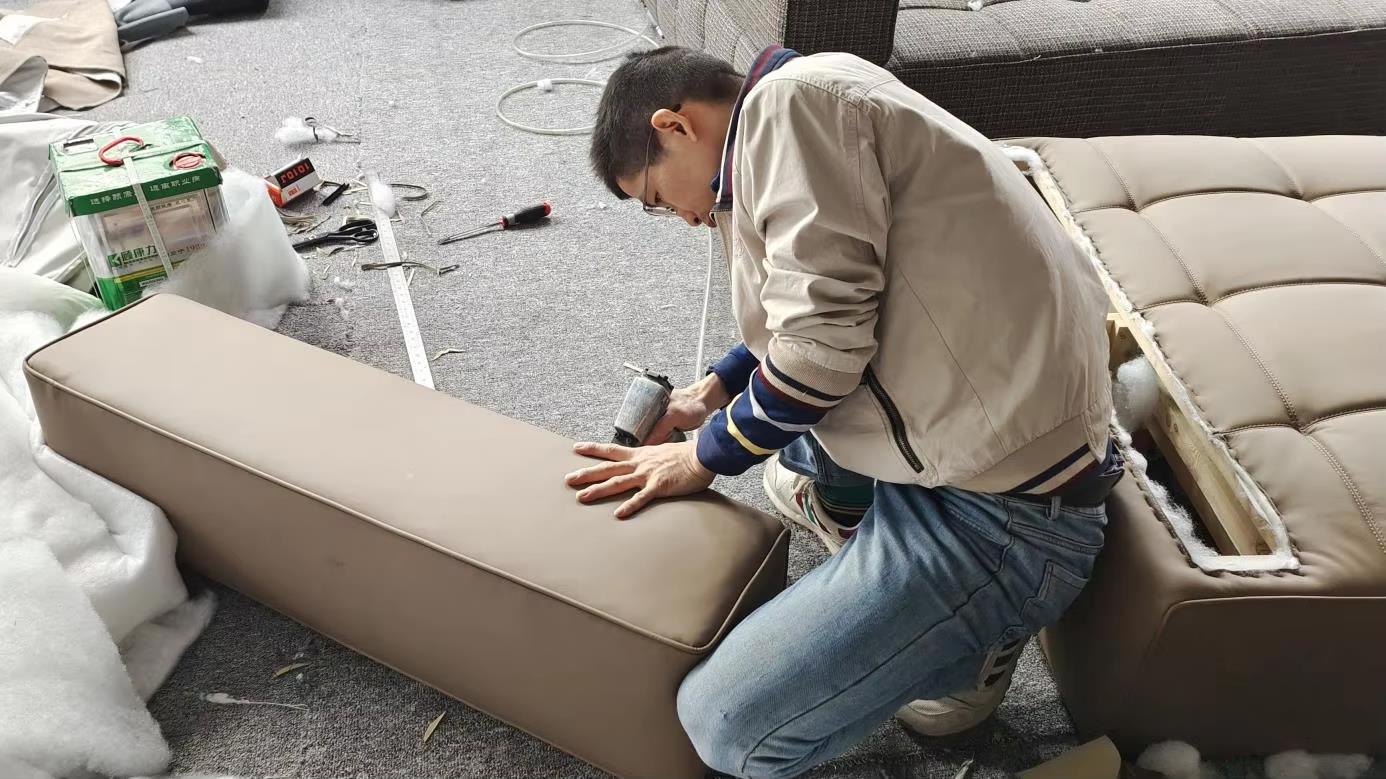 Step 07
Pasting Sponge
Applying eco-friendly, low-VOC contact adhesives to securely bond foam cushioning elements to the wood subframe.
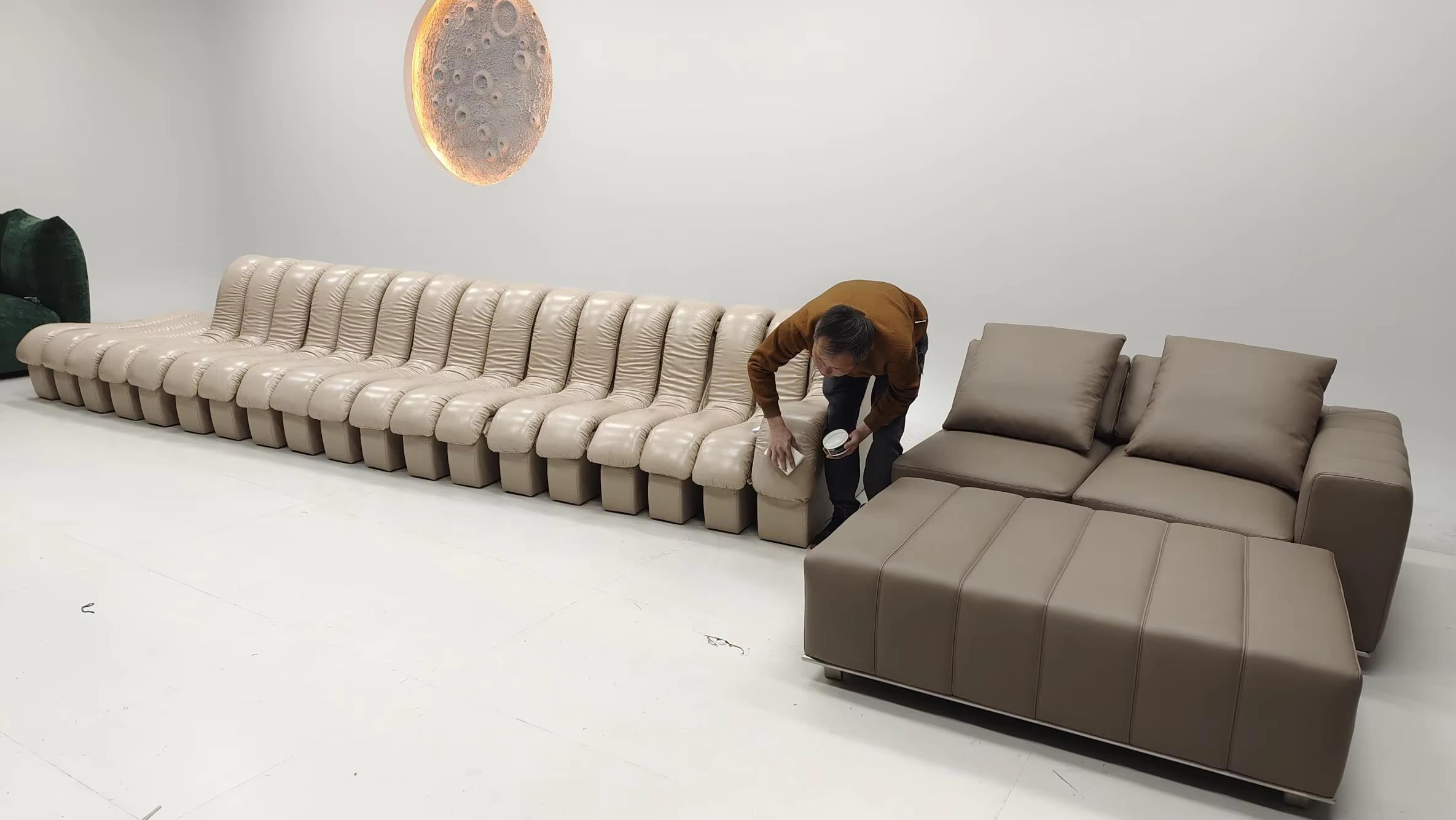 Step 08
Leather Assembling
Stretching and fastening upholstery covers to establish clean curves, flat panels, and balanced tension across corners.
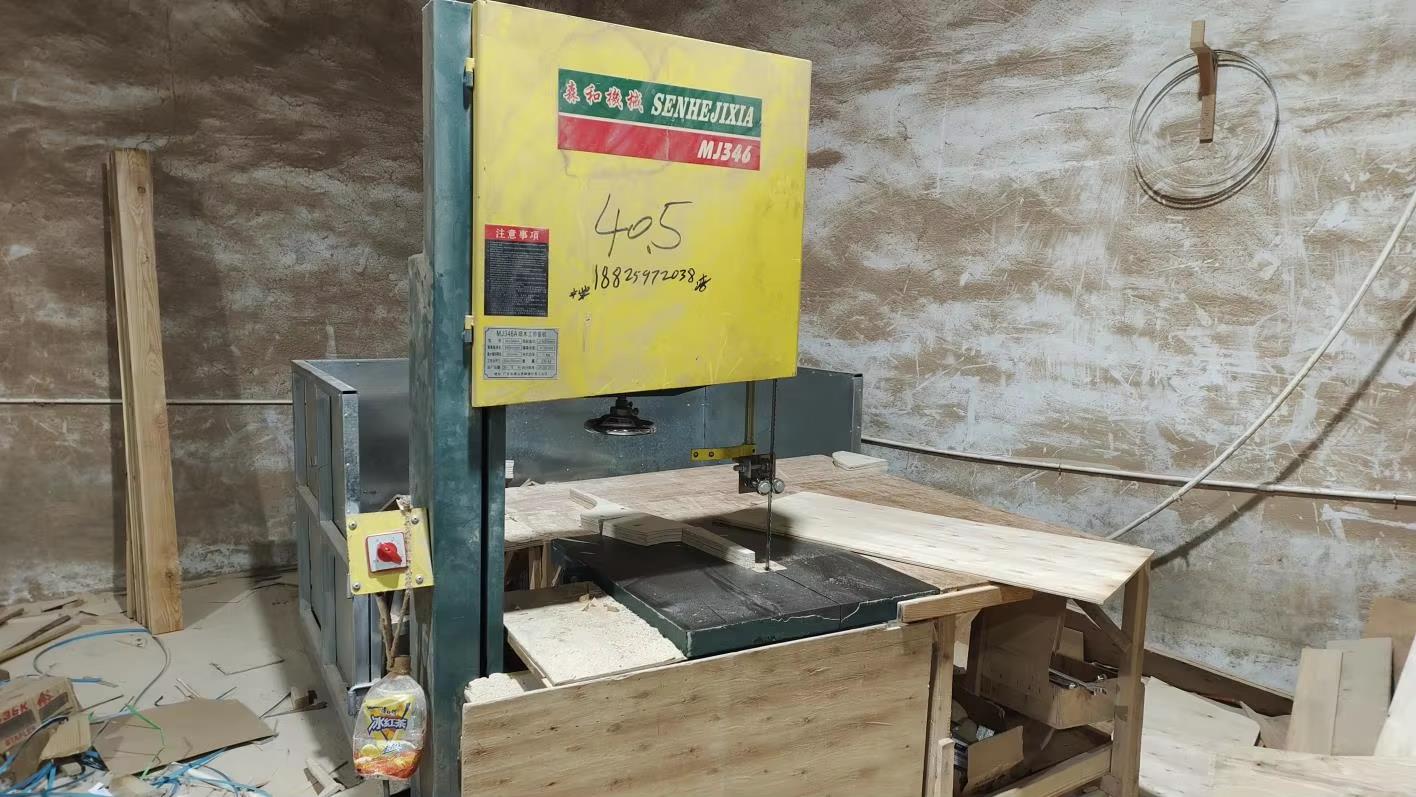 Step 09
Quality Inspection
Multi-point visual and structural testing checking dimensions, load tolerances, stitch alignment, and surface finishes.
Advanced Industrial Machinery Infrastructure
Our factory floor relies on automated European and Japanese industrial machinery to ensure micro-tolerance consistency across production lines.
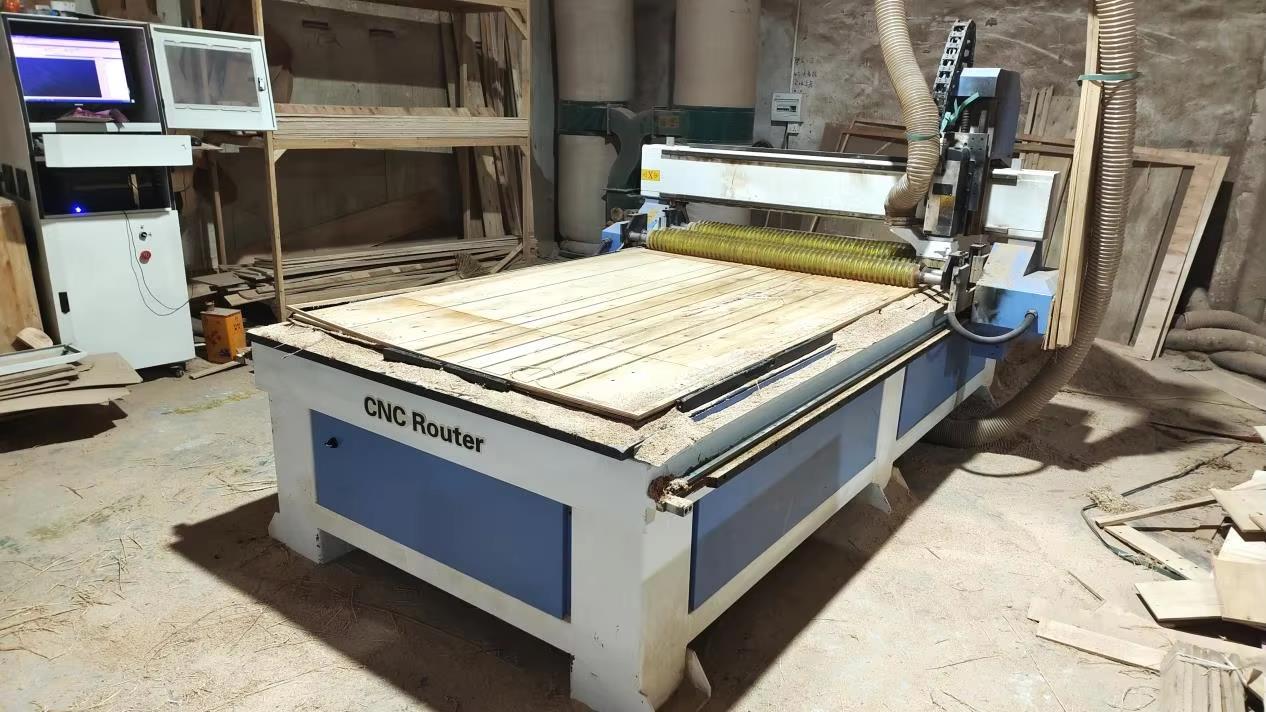
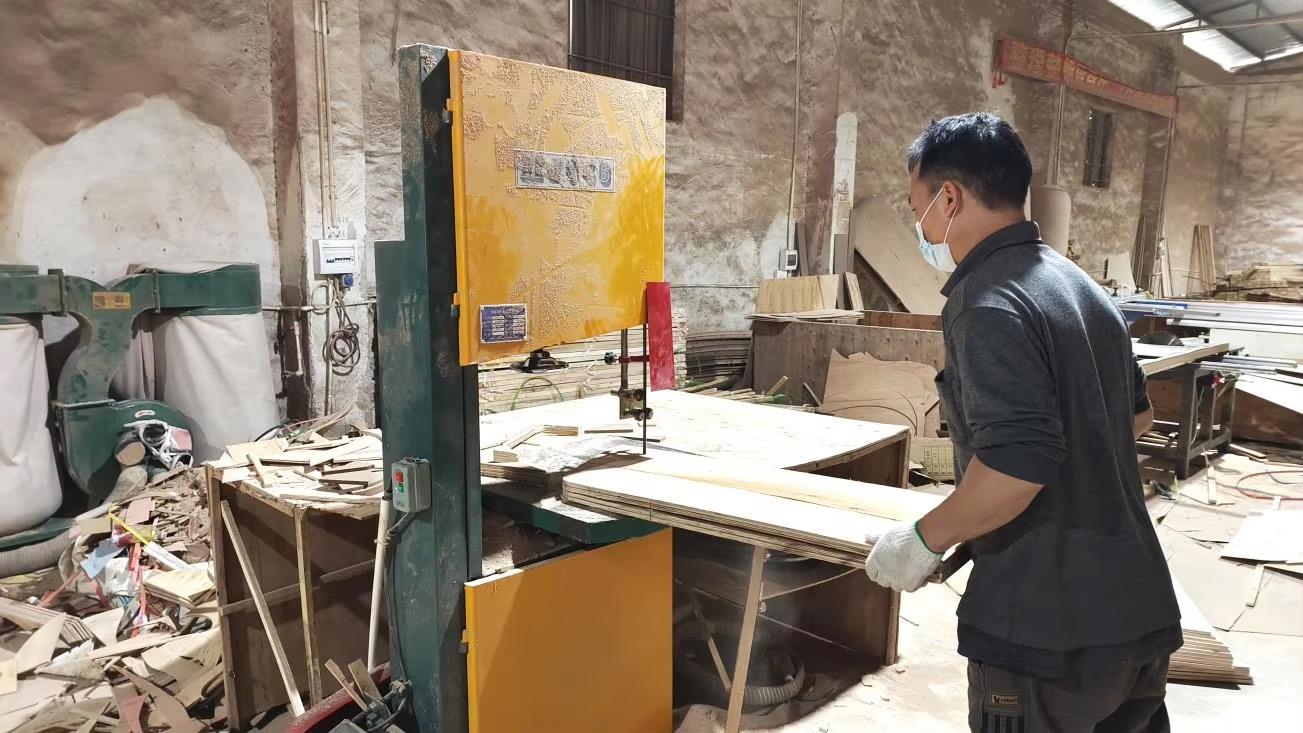
Precision Saw
Automated dimensional panel sizing with clean edges to prevent micro-splintering and surface laminating defects.
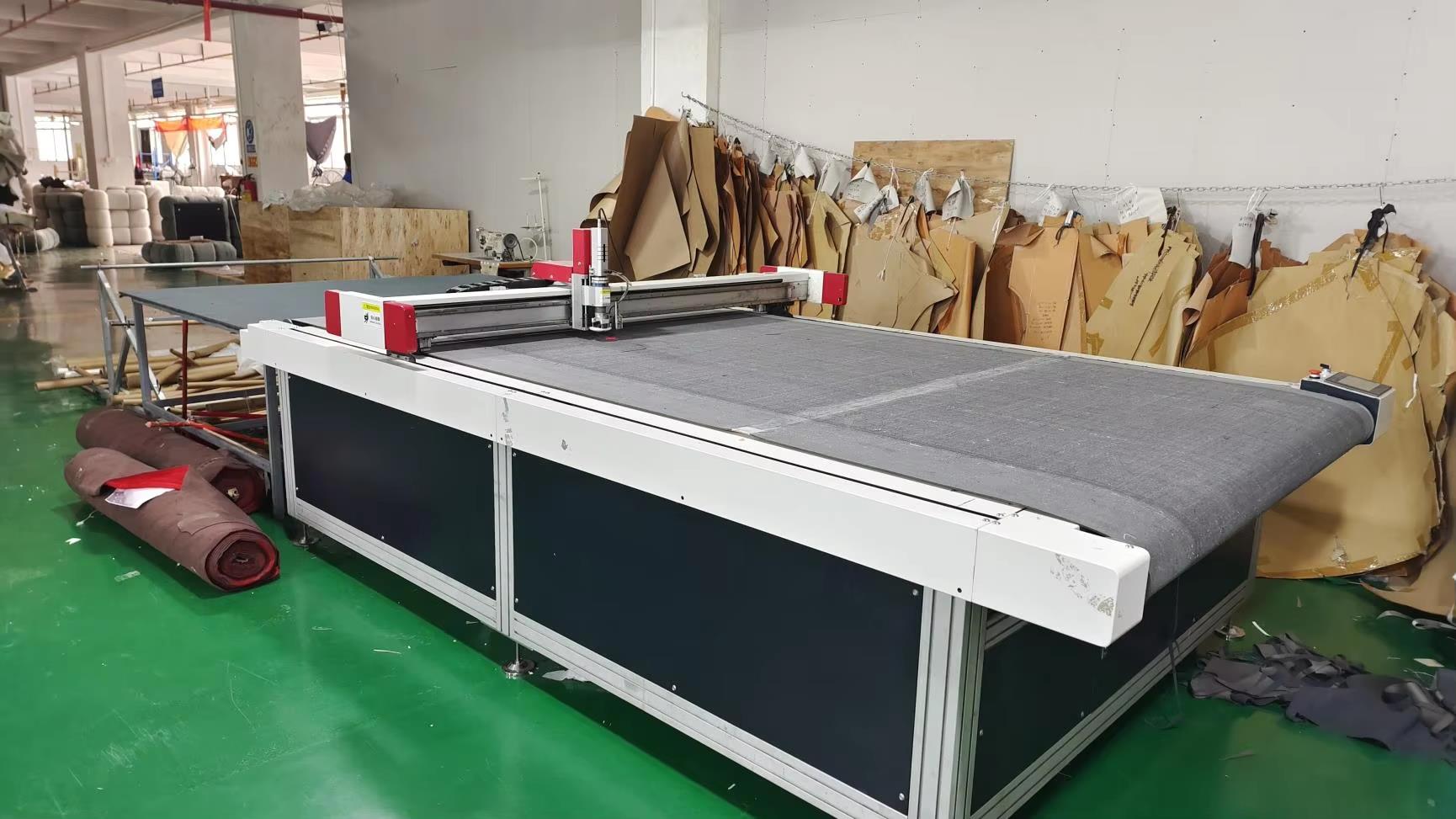
Engraving Machine
Computerized routing systems crafting complex millwork joints, surface channels, and custom panel patterns.
Leather Cutting Machine
Digital vacuum-assisted leather nesting and cutting systems that optimize leather yield and speed up prep cycles.
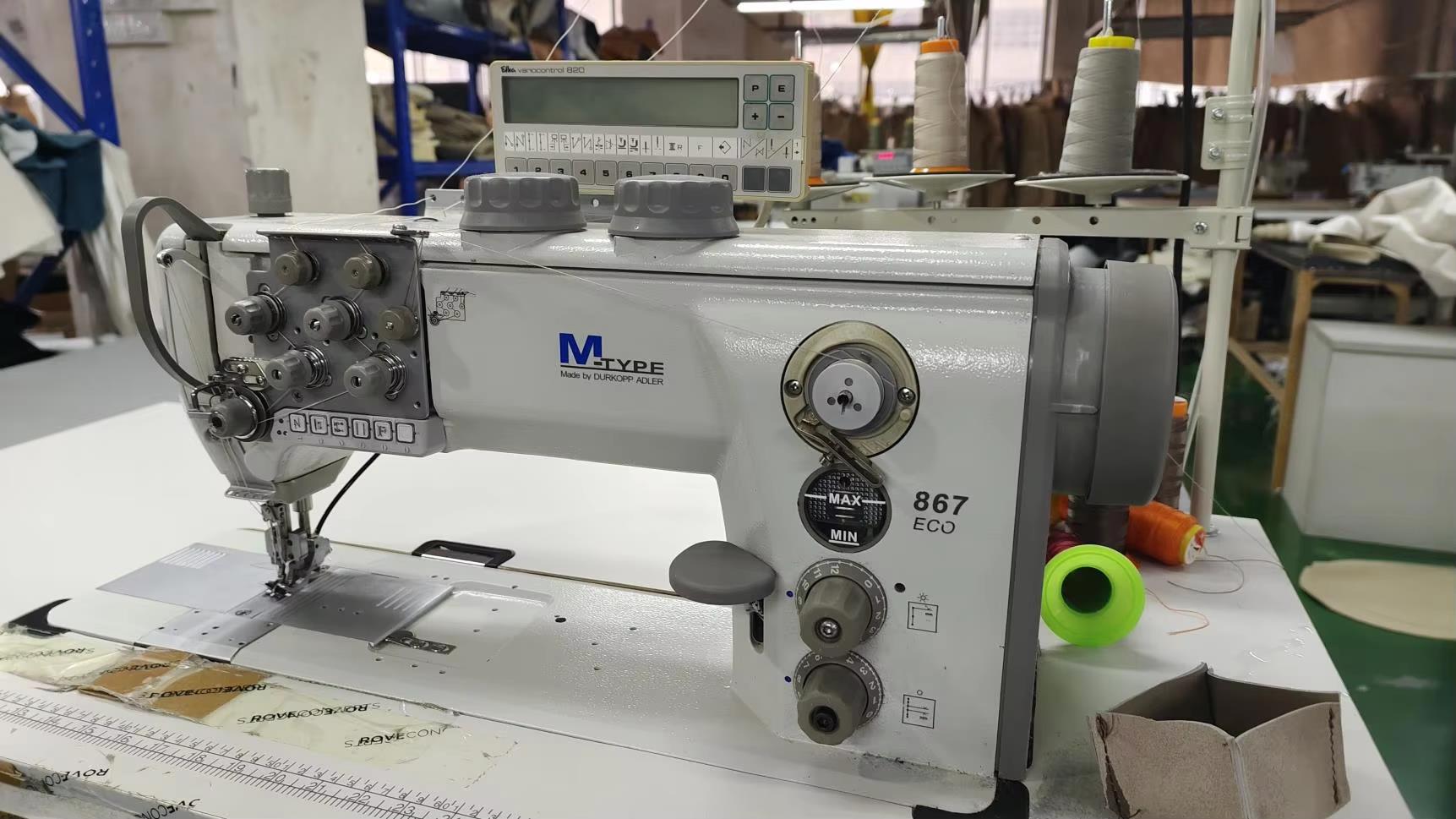
Sewing Machine
Electronic thread-tension controlled industrial sewing stations yielding uniform stitches on thick leathers and fabrics.
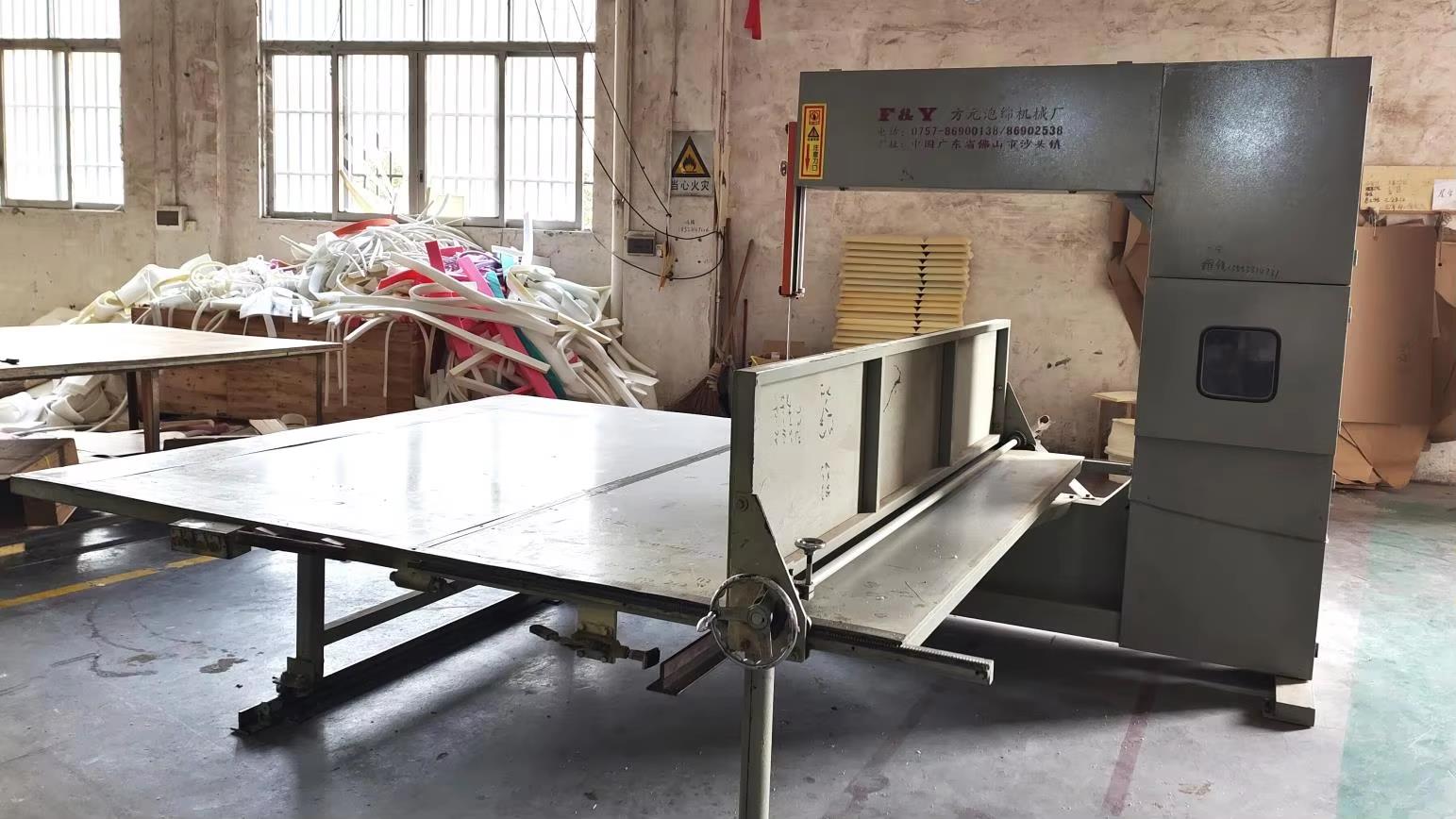
Sponge Cutting Machine
Precise foam cutter yielding sharp profile lines, helping maintain clean structural lines on seat cushions and backboards.
Technical Engineering & Material Roadmap
Our technical roadmap integrates advanced materials to ensure durability, safety, and circular economy compliance. We formulate our products based on mechanical and environmental metrics. Below is the structural material allocation schema for our entryway production runs:
| Component / Material Type | Standard Specifications | Performance Metrics | Compliance Certification |
|---|---|---|---|
| Solid Wood & Multi-ply Cores | E0/E1 Grade Baltic Birch, Oak, Walnut | Moisture content 8% - 12%, anti-warping | FSC, CARB Phase 2, EPA Title VI |
| Structural Steel / Hardware | Cold-Rolled Carbon Steel, Anodized Alum | Salt-spray tested > 96h, weight limit > 250kg | ANSI/BIFMA X5.5 |
| High-Resilience Poly Foam | CAL 117-2013 Cert Polyurethane Foam | Density: 38kg/m³ - 45kg/m³ | CertiPUR-US, BS 5852 Fire Rated |
| Upholstery Leathers / Fabrics | Full-Grain Leather, Performance Nano-Fabrics | Martindale test > 100,000 double rubs | OEKO-TEX Standard 100, REACH |
Future Technological Outlook & Green Logistics
GranTree's R&D division is currently developing modular flat-pack entryway structures designed to reduce ocean shipping volumes by up to 45%. Furthermore, we are shifting our adhesive applications towards bio-derived polyurethane materials to lower VOC emissions. Our target is to achieve carbon-neutral production loops across our primary furniture lines by 2028.
Technical FAQ for Procurement & Engineering Teams
Find answers to common technical, logistics, and quality assurance questions from corporate buyers.
Q1 What are the minimum order quantities (MOQ) for custom OEM/ODM designs?
Our standard production MOQ for custom-engineered cabinetry and metal-framed entryway seating is 50 units per design. For high-volume multi-family projects, MOQs can be negotiated depending on the raw material selection and production run size.
Q2 How does GranTree manage climate adaptation for wood products shipped to cold/dry regions?
All timber is kiln-dried and conditioned to exact moisture content (8-12%) inside our environmental chambers. This stabilization process prevents checking, cracking, and joint distortion after arrival in dry or humid target climates.
Q3 Are shop drawings and CAD submittals included in the prototyping phase?
Yes. Our engineering department provides full 2D AutoCAD and 3D SolidWorks drawings for review. Prototyping does not begin until the client's design team approves the specifications and joint designs.
Q4 What fire retardancy certifications do the upholstery and foam cores carry?
We supply foam and textiles certified to California Technical Bulletin 117-2013 (CAL 117) and British Standard 5852 (Crib 5) for commercial and hospitality projects.
Q5 Can we supply our own COM (Customer's Own Material) for contract projects?
Yes. We regularly process Customer's Own Material (COM) or Customer's Own Leather (COL). Our cutting team tests the incoming material’s tensile properties to confirm it is compatible with our industrial sewing machinery.
Q6 What are the standard lead times for bulk commercial runs?
Standard production cycles run between 35 to 45 days from prototype approval and deposit confirmation. For large-scale projects requiring custom metal tooling, timeline extensions are calculated and communicated early in the planning phase.
Secondary Selection: Multi-Sector Commercial Furniture
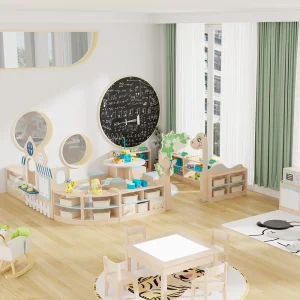
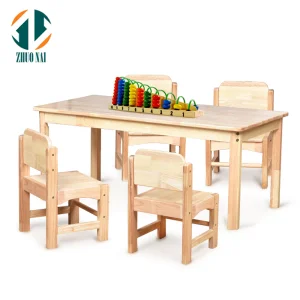
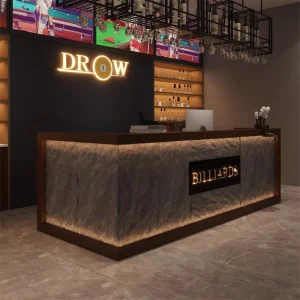
From children's learning spaces to hospitality suites, examine our diverse range of structural solutions.