Featured Eco-Friendly Solutions
Flagship high-performance sustainable furniture series customized for residential development, hotel upgrades, and food service sectors across France.
Strategic Whitepaper: Furniture Decarbonization for the French Market
Analyzing regulatory compliance, circular supply chain economics, and high-performance material specifications under the French RE2020 framework.
1. The French Sustainable Furniture Landscape: RE2020 & AGEC Law Dynamics
The interior architecture and contract furniture sectors in France are undergoing a fundamental transformation driven by stringent legislative mandates. The implementation of the RE2020 (Réglementation Environnementale 2020) has shifted the focus from operational carbon emissions to the embodied carbon of building materials and interior installations. Under RE2020, every commercial and residential development must compute its Lifecycle Assessment (LCA), where furniture and partition structures contribute heavily to the baseline carbon score.
Concurrently, the Loi AGEC (Loi Anti-Gaspillage pour une Économie Circulaire) demands that public entities source at least 20% recycled or reused furniture in their procurement processes. This circular transition introduces the concept of Extended Producer Responsibility (EPR), overseen by organizations like Ecomaison. For international exporters serving French markets (such as Paris, Lyon, Marseille, and Bordeaux), aligning with these regulatory metrics is no longer a marketing option—it is a baseline compliance threshold. Providing verified environmental documentation, product longevity assurances, and low-VOC emissions data is crucial to securing supply chains for large-scale French developers and hospitality operators.
2. Global Supply Chain Dynamics and Eco-Manufacturing
On a global scale, the furniture manufacturing sector faces the complex challenge of balancing volume and precision with systemic decarbonization. Traditional sourcing models rely heavily on virgin timbers and high-chemical adhesives, which escalate scope 3 emissions. The transition to high-tech manufacturing ecosystems, such as those optimized in Foshan, addresses this gap through advanced automated raw material optimization, minimized cutting waste, and clean-energy infrastructure.
To serve European markets, international shipping must also be structured strategically. Utilizing optimal container packing configurations, flat-packed assembly structures, and ocean freight lines targeting French main ports (Le Havre, Marseille-Fos) reduces transit emissions per unit cubic meter. This supply chain coordination ensures that the carbon advantage gained during manufacturing is not lost during distribution.
"True sustainability is achieved through rigorous materials management, transparent production processes, and regional integration that respects local environmental laws like France’s RE2020."
3. Micro-level Materials & Circular Design Architecture
Sustainable furniture design is defined by its material compositions and end-of-life options. Materiality must align with global green certifications including FSC (Forest Stewardship Council) and PEFC, confirming that all timber inputs originate from responsibly managed forests. The use of E1 and E0 grade engineered wood substrates ensures that formaldehyde emissions remain far below the European threshold limit of 0.1 ppm, securing indoor air quality for corporate offices and educational facilities.
Beyond timber, the implementation of recycled aluminum alloys (which consume 95% less energy to process compared to virgin material) and water-based, non-toxic coatings protects both factory operators and the final occupants. By utilizing advanced modular joints and mechanical fasteners rather than chemical adhesives, the furniture can be easily dismantled for parts replacement or regional recycling, keeping materials in a continuous utility loop.
4. Technical Roadmap: Smart Manufacturing & Digital Product Passports
The future of B2B contract furniture sourcing relies on traceabilty and digital accountability. With impending European legislation regarding Digital Product Passports (DPP), manufacturers must establish robust digital ledgers documenting exact material provenance, carbon metrics, and circularity indicators. We are developing our manufacturing protocols to align with these data requirements, integrating smart manufacturing executions with clear environmental reporting.
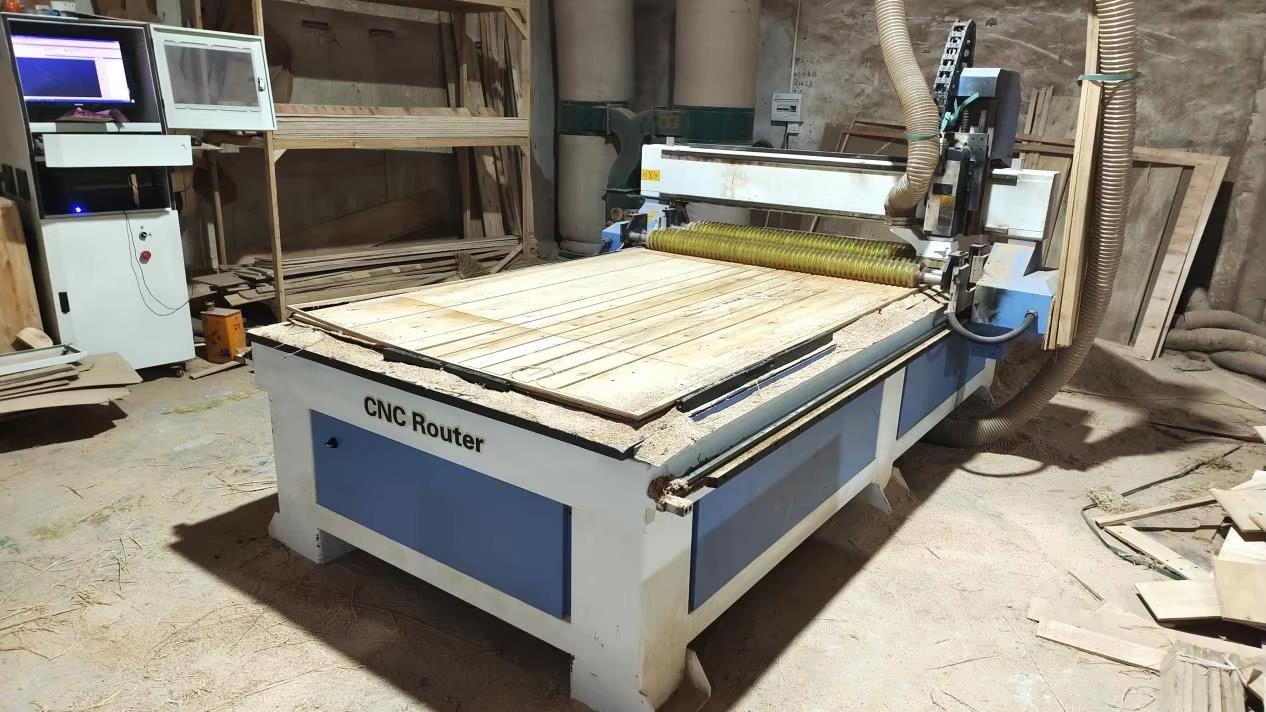
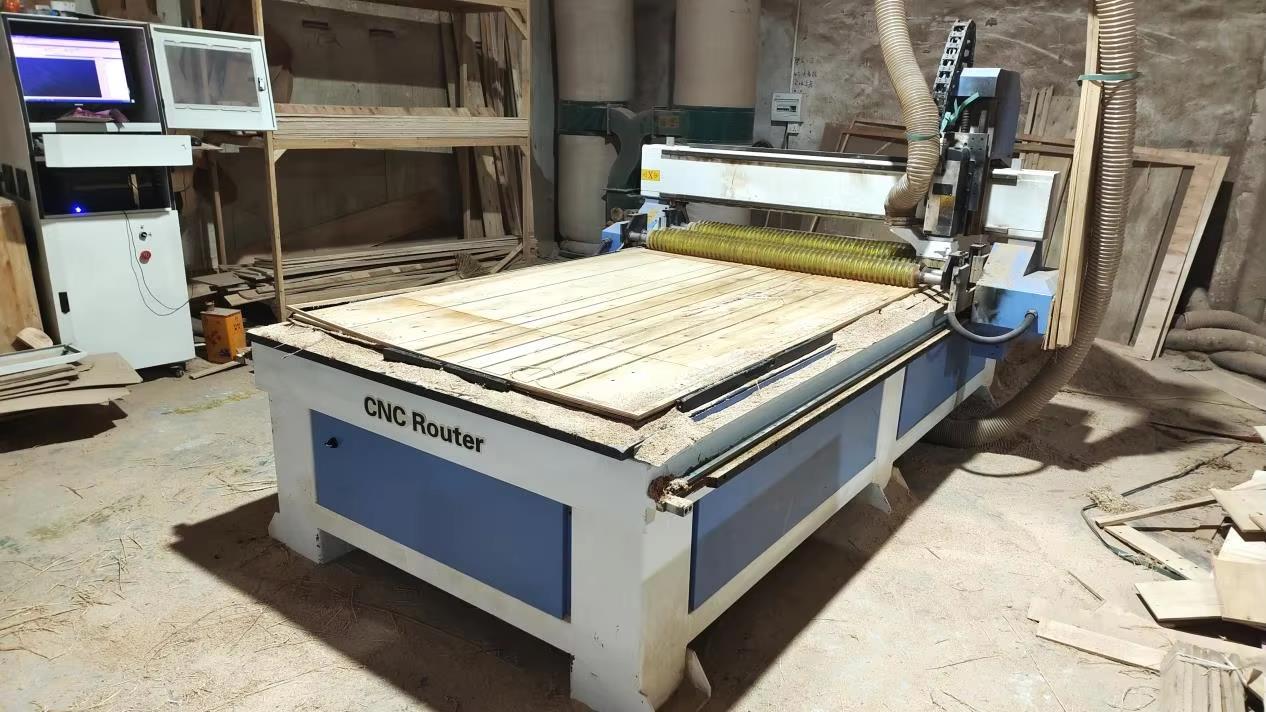
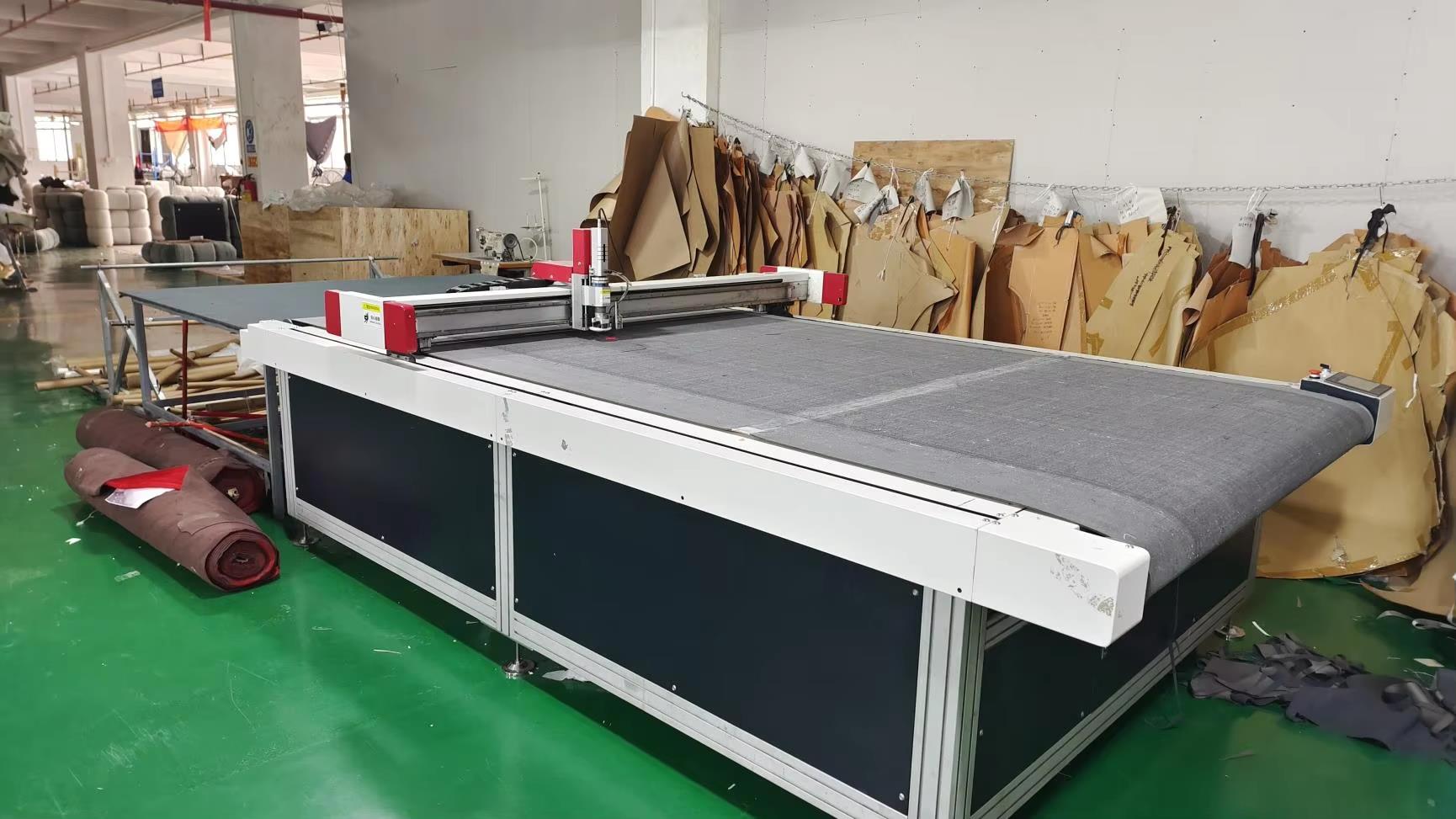
- Zero-Waste CNC Optimization: Automated cutting plans reduce solid timber and panel waste by up to 18%.
- Eco-Coating Technology: Automated UV-curing lines utilizing solvent-free paint reduce volatile organic compound emissions.
- Traceability Integration: Each batch of commercial furniture is mapped from material supply to destination port to ensure full verification.
About Foshan GranTree Furniture Co., Ltd.
Foshan GranTree Furniture Co., Ltd. is a leading furniture manufacturer with over 20 years of experience in the industry. Over the years, we have earned the trust of numerous renowned brands, national institutions, and global partners, thanks to our commitment to quality, innovation, and reliability.
At GranTree, we are more than just a furniture manufacturer — we provide a full-chain, end-to-end supply chain solution for the furniture industry. Our services cover every stage of the process, including R&D design, material sourcing, production, quality inspection, and logistics, offering clients a seamless one-stop solution.
Our professional team prioritizes close collaboration with clients, taking the time to thoroughly understand specific requirements and deliver customized, high-quality furniture solutions that meet diverse needs. Equipped with a 163,000 m² modern production facility and a highly skilled workforce, GranTree has the capacity to manage large-scale orders efficiently, ensuring precision, consistency, and timely delivery.
We continually invest in research and innovation to stay at the forefront of furniture trends, blending functionality, aesthetics, and sustainability in every product. From luxurious hotel furniture to stylish residential and commercial pieces, GranTree is dedicated to turning your ideas into reality.
🌟 "From concept to delivery — GranTree is your trusted partner in full-chain furniture manufacturing."
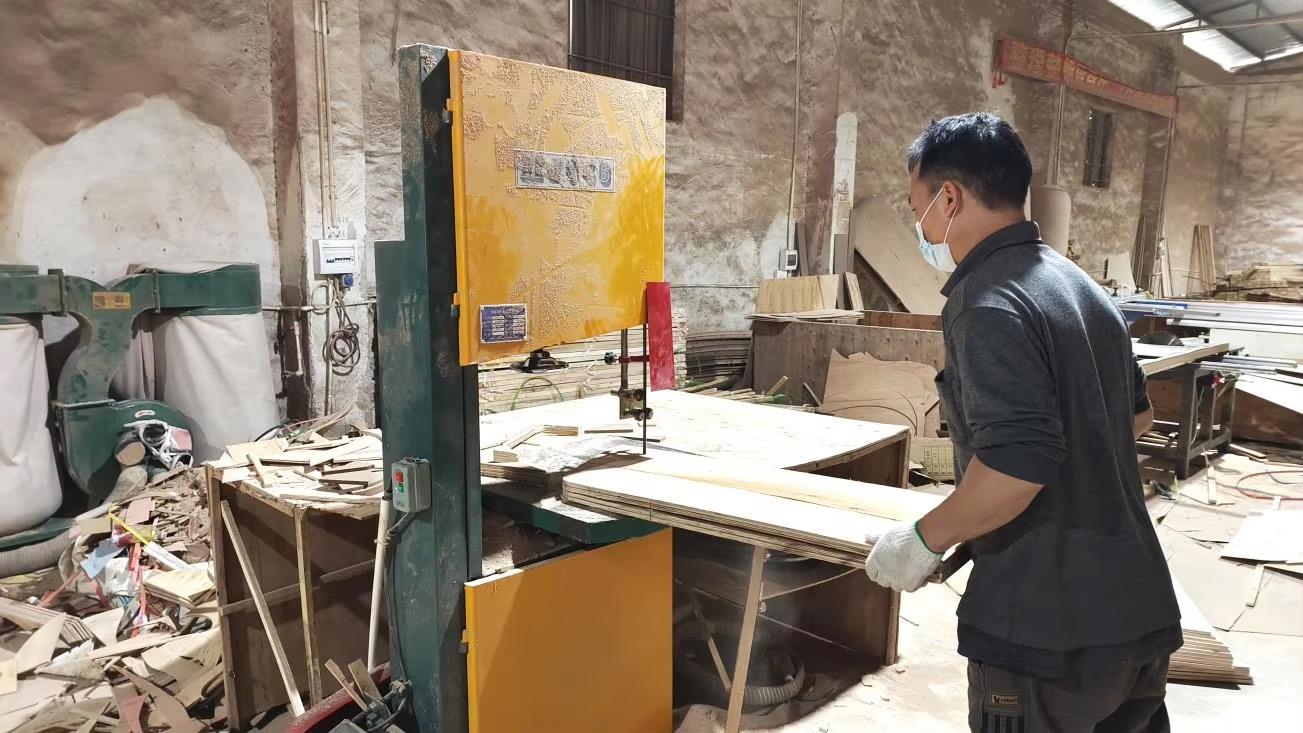
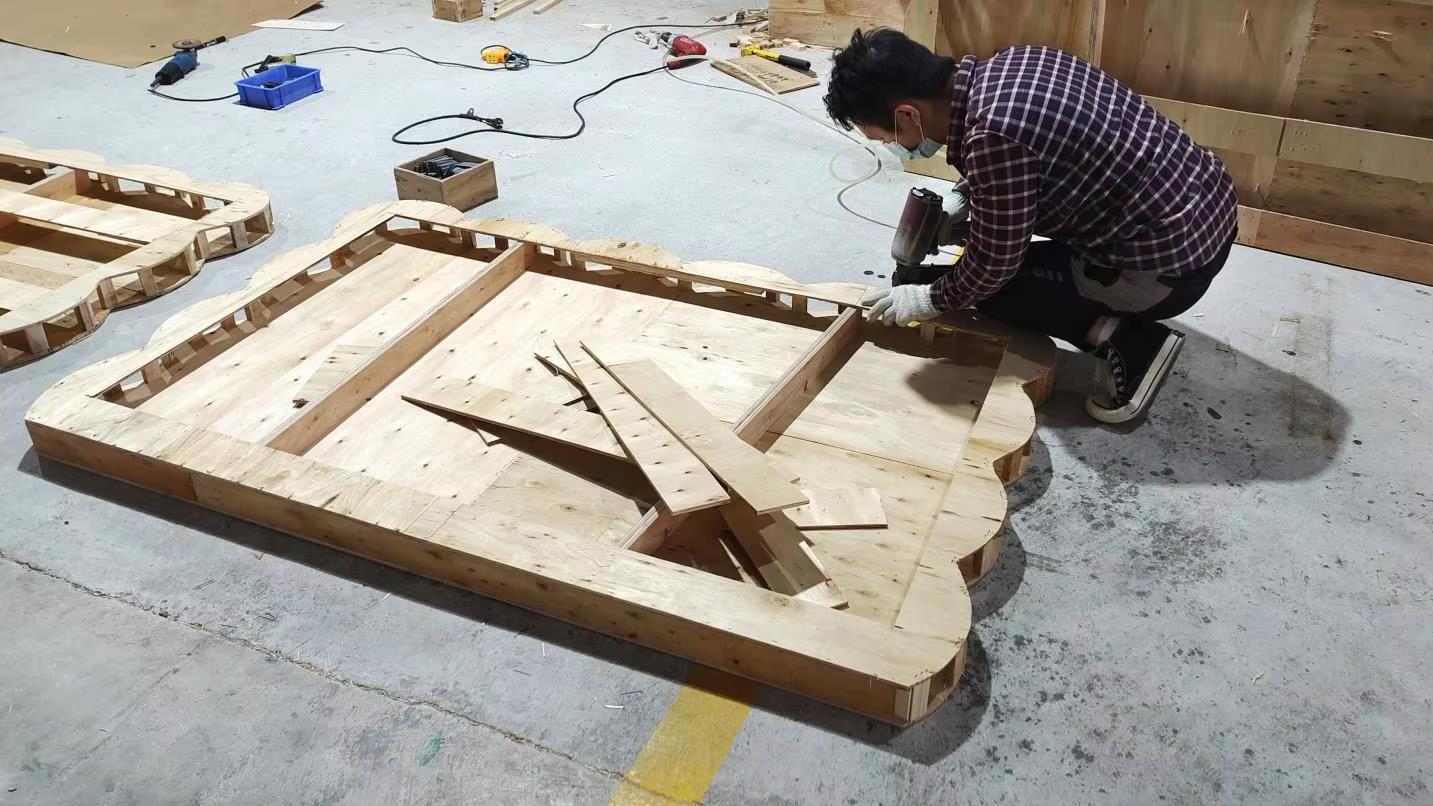
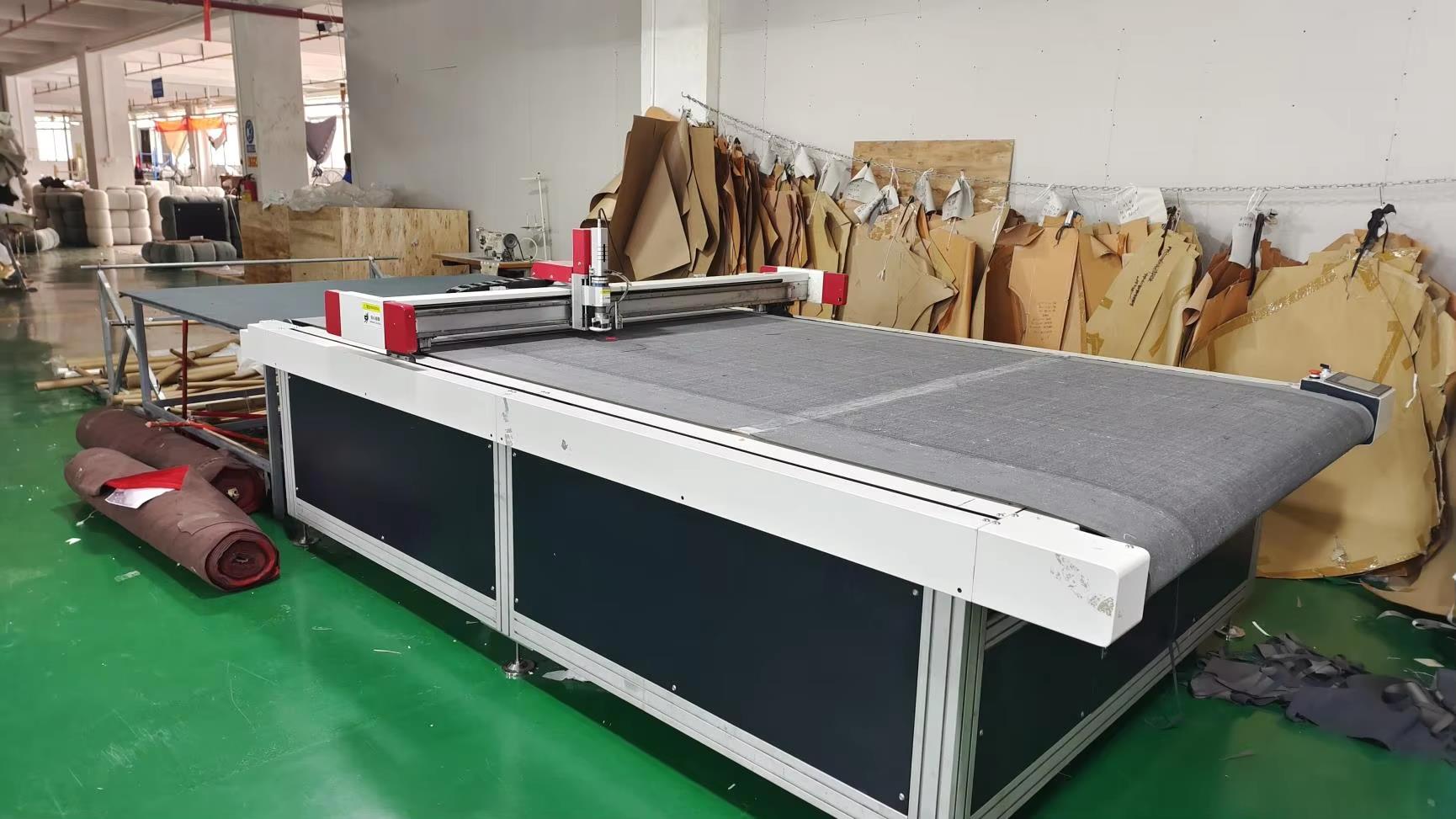
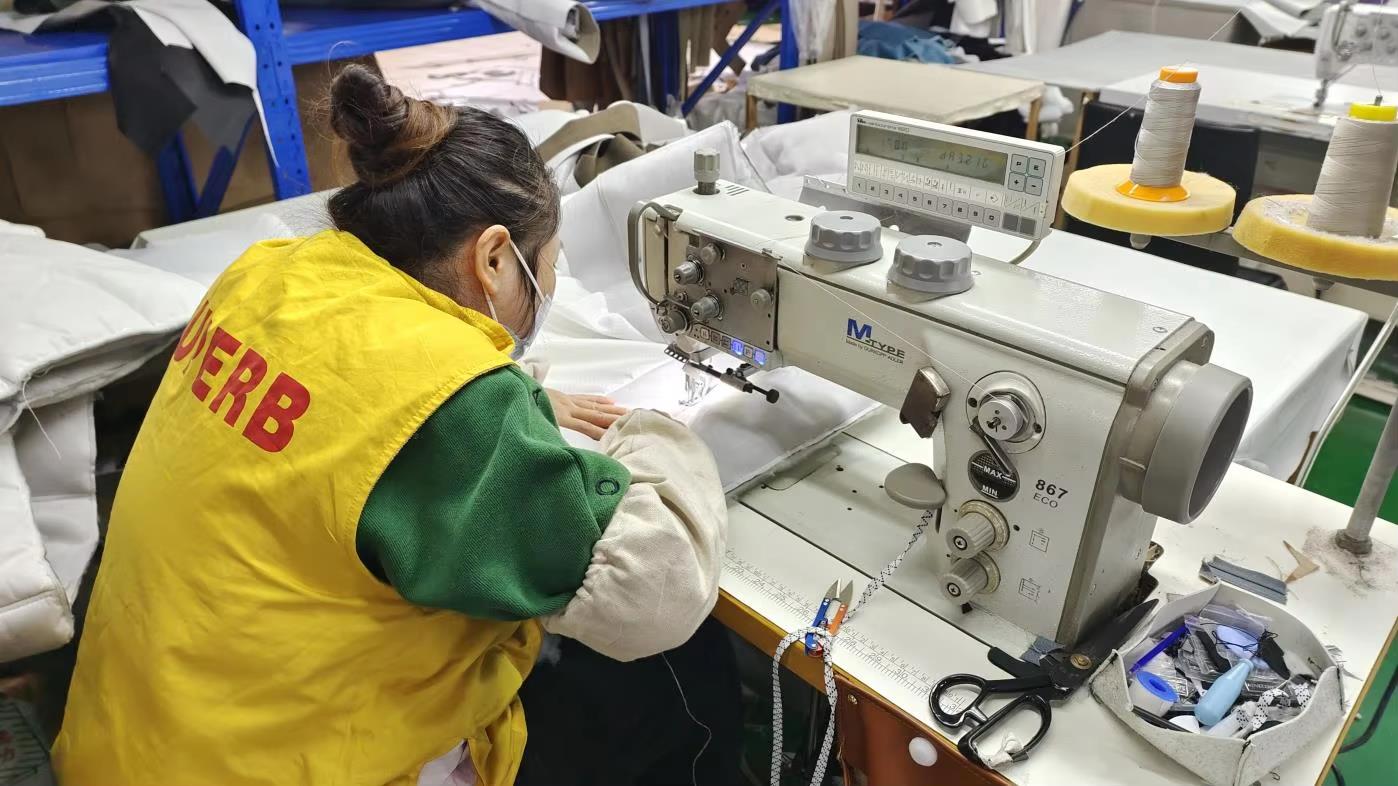
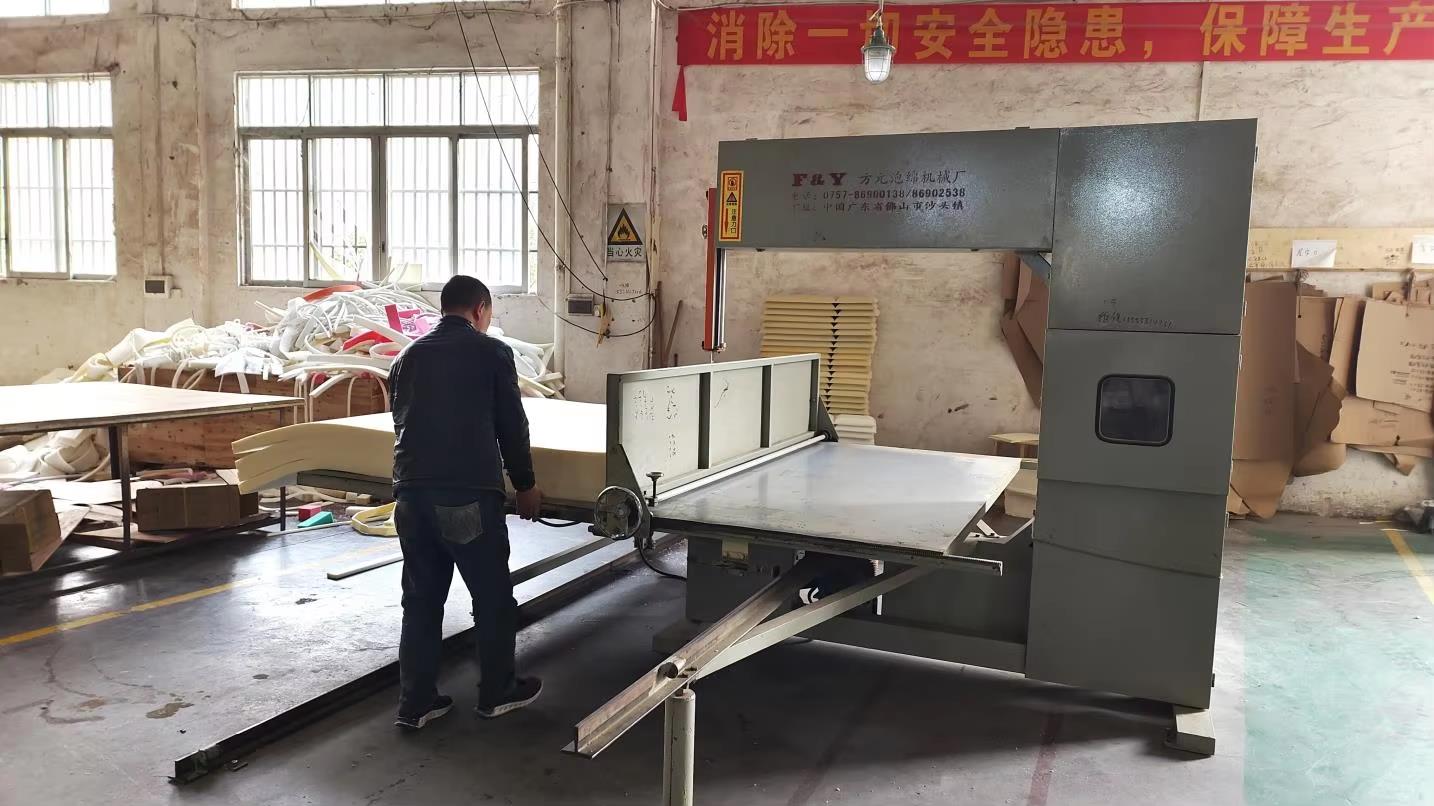
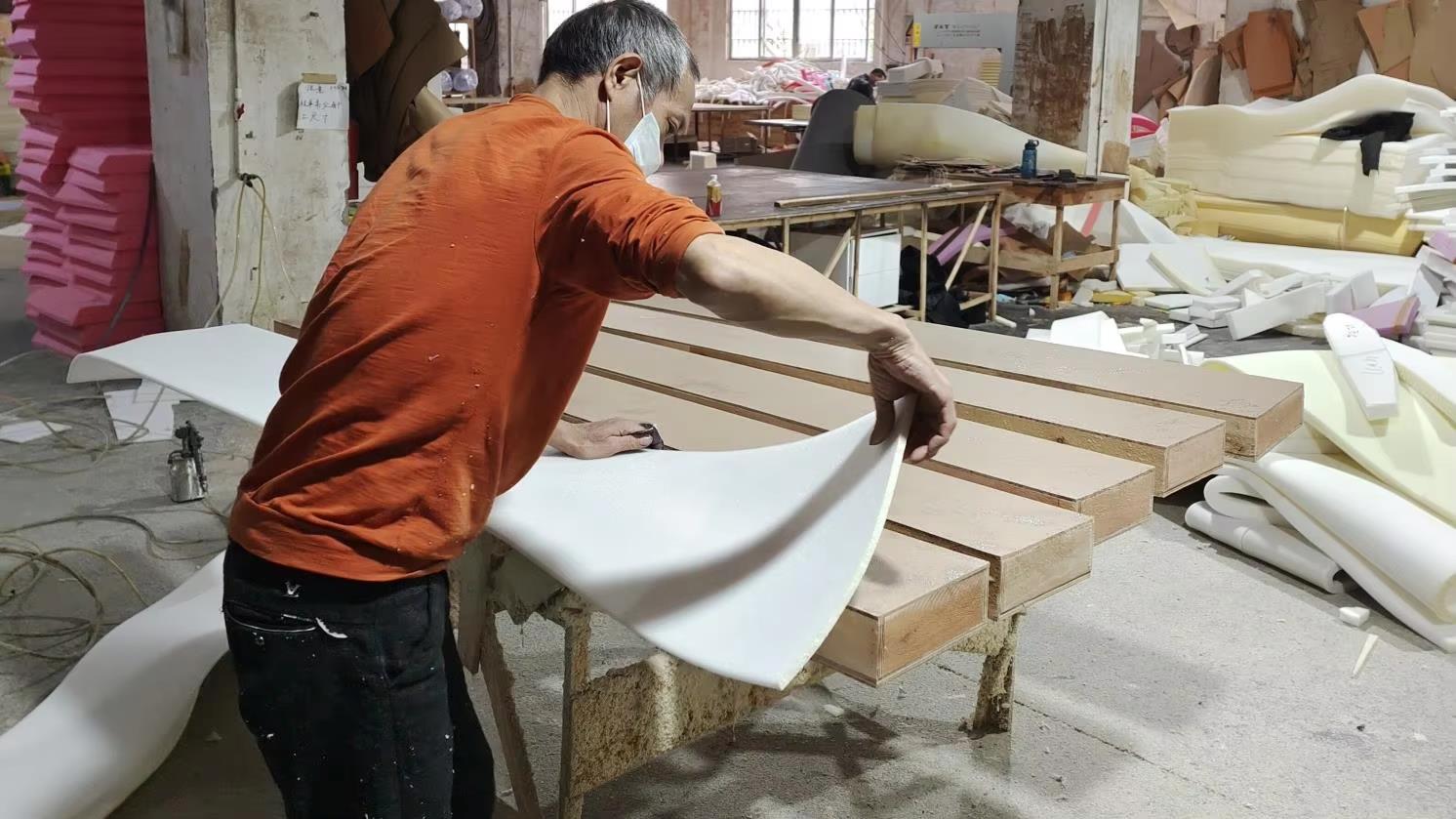
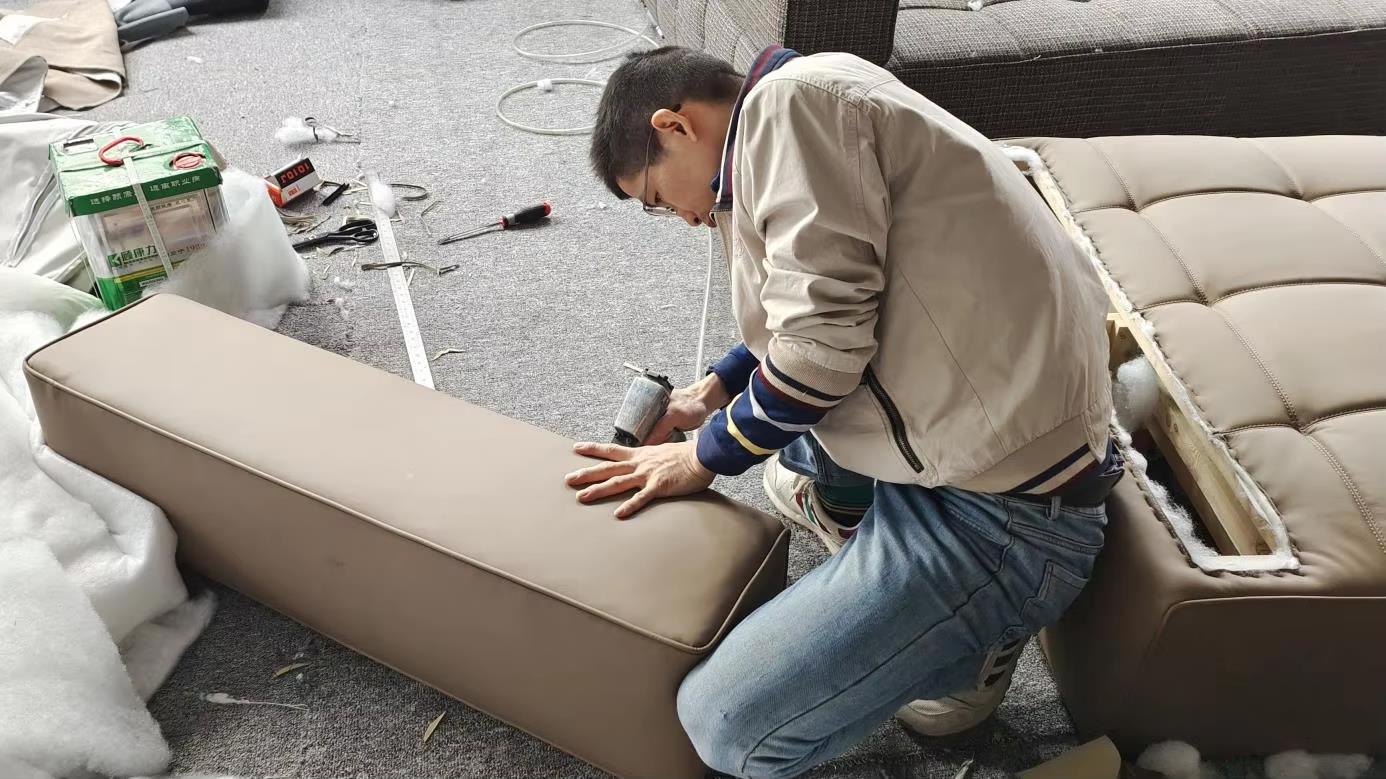
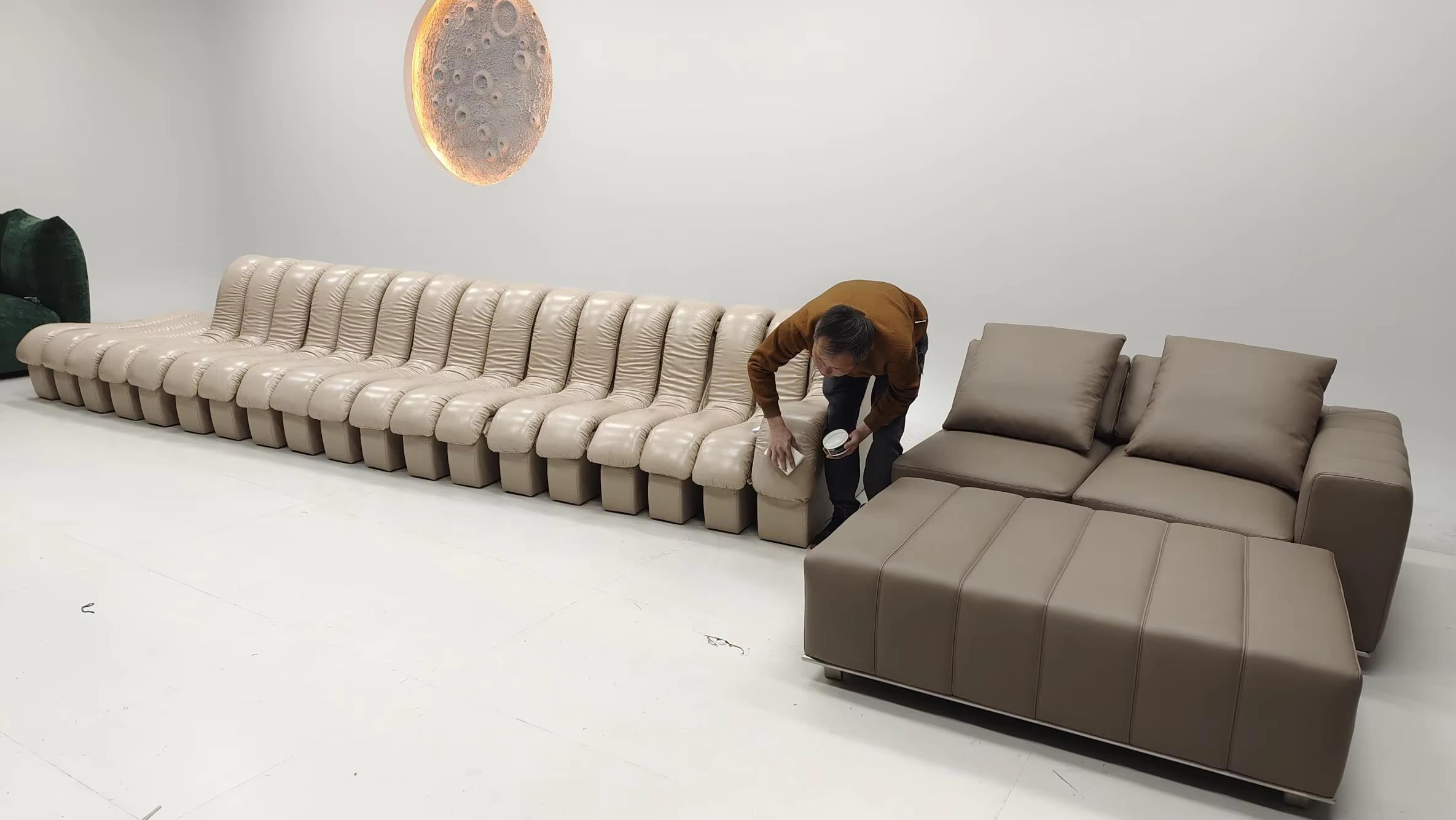
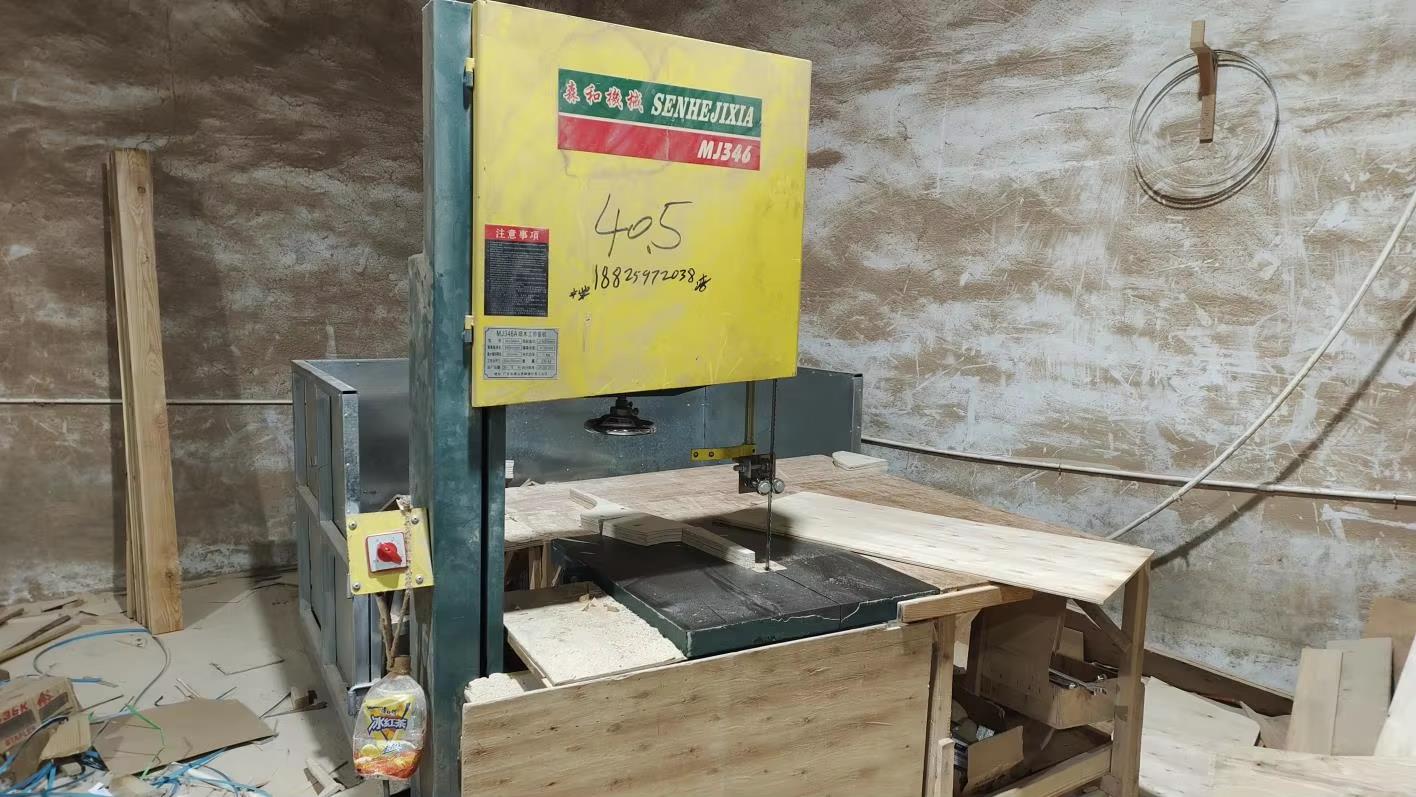
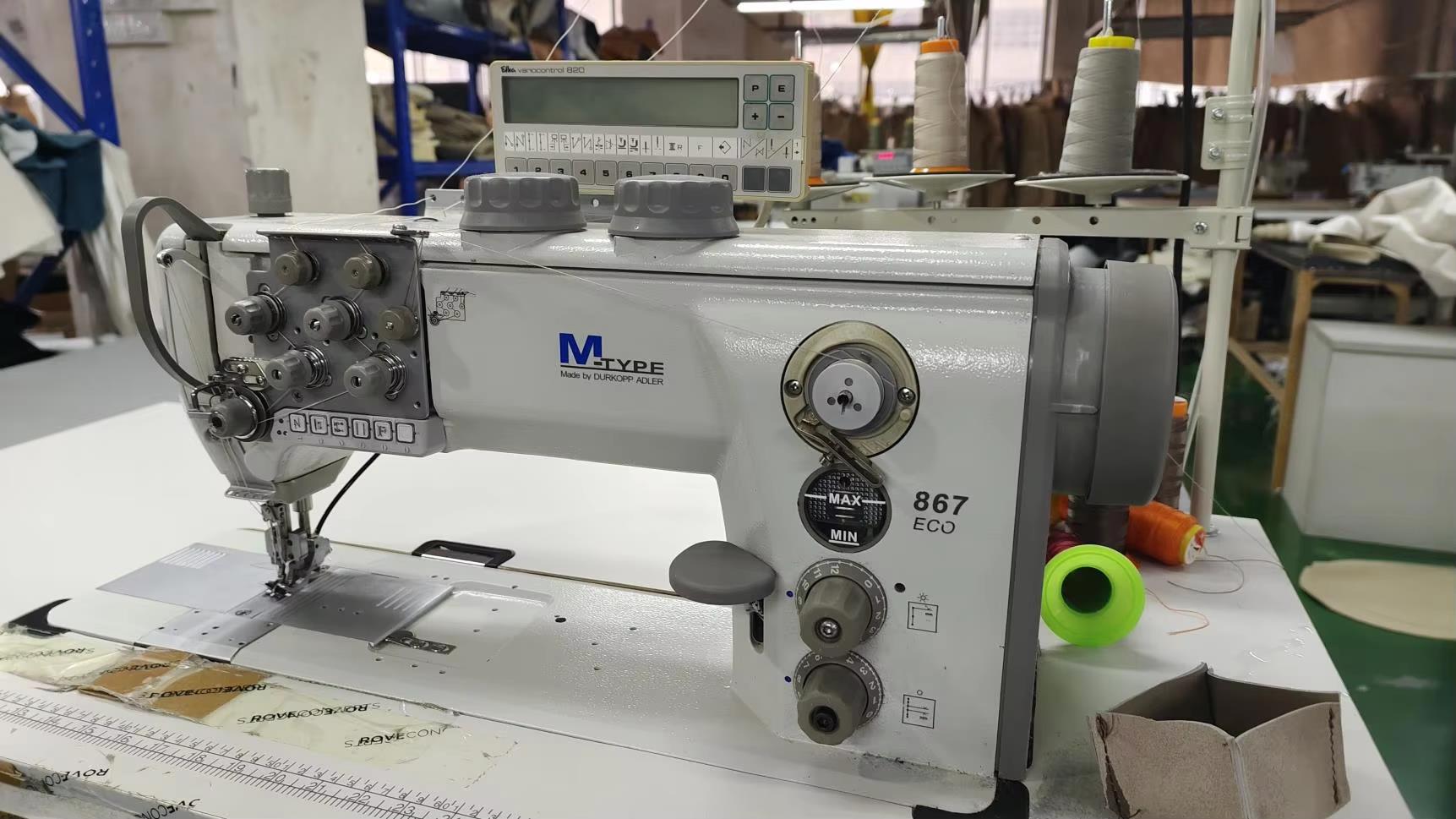
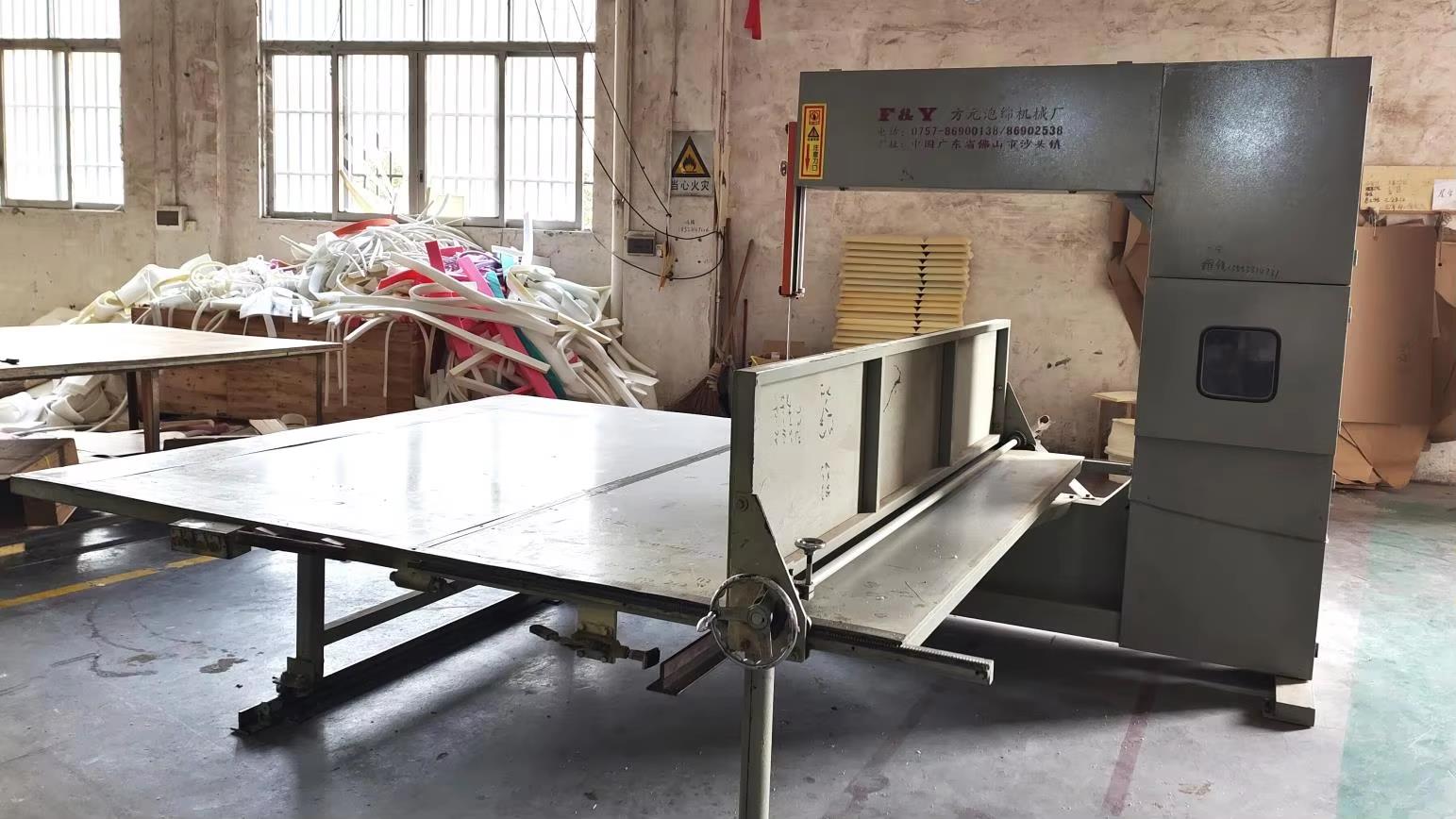
Industrial Process & Advanced Manufacturing
Our manufacturing facility leverages automated systems and rigorous quality inspections at every stage of fabrication to ensure structural longevity and minimal environmental impact.
Localized Application Scenarios Across French Territories
Sustainable furniture application must adapt to the design aesthetics and environmental standards of French regions. Our product configurations are designed for specific regional applications:
- Paris Metropolitan Area (High-End Office & Retail Spaces): Custom E0-grade modular office setups and partitions that meet carbon footprint limits while fitting historical, high-rent office interiors.
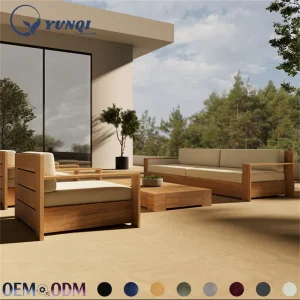
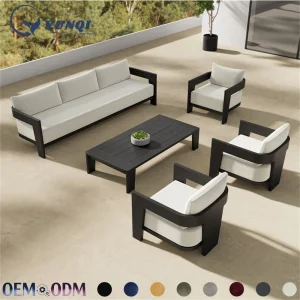
- French Riviera & Provence (Premium Eco-Resorts & Patios): Weather-resistant, FSC-certified solid teak and recycled aluminum outdoor seating that withstands high UV and marine salinity without releasing toxic chemicals into local ecosystems.
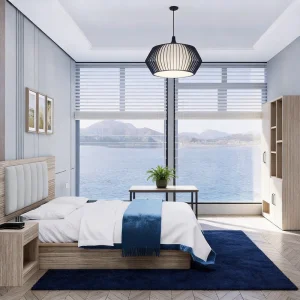
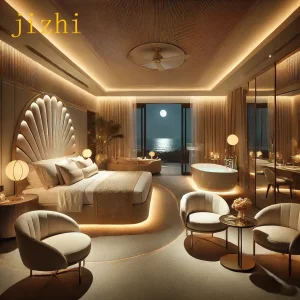
- The French Alps (Boutique Chalets & Hospitality): Solid wood bed frames and dining setups utilizing non-toxic water-based finishes, preserving mountain indoor air quality and highlighting natural grain textures.
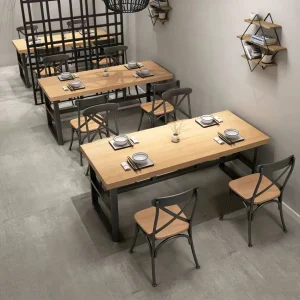
Sustainable Solutions Catalog
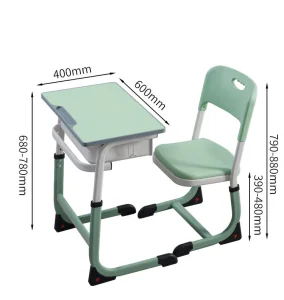
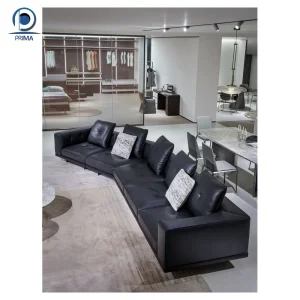
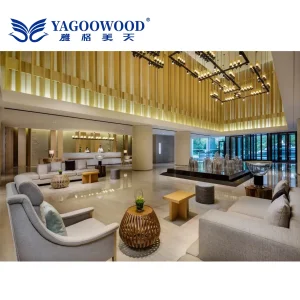
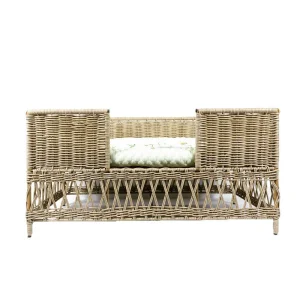
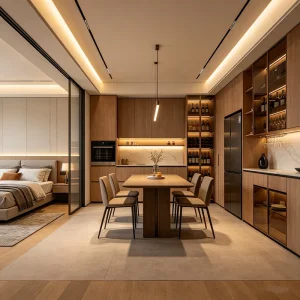
Our complete range of certified products supporting eco-friendly initiatives in offices, hotels, schools, and homes across France.
Regulatory Compliance & Sourcing FAQ
Expert clarifications regarding French B2B furniture specifications, environmental documentation, shipping logistics, and material standards.