Premium Contract Design & FF&E Portfolio (Tier 1 Showcase)

1. The Global Landscape of Wall Art & Premium Frame Manufacturing
In modern commercial architecture and residential real estate development, wall art and custom-designed framing solutions are no longer treated as mere decorative afterthoughts. Instead, they serve as crucial visual touchpoints that define interior brand identities, satisfy biophilic structural design guidelines, and optimize the psychological space of work environments. For multinational procurement groups, global hospitality franchises, and high-volume e-commerce distributors, finding reliable contract-grade wall art manufacturers is critical to ensuring operational stability, price competitiveness, and structural quality compliance.
As global supply chains shift toward high automation, sustainable material integration, and swift customs compliance, the competitive matrix of top-tier framing and wall decor manufacturers has evolved. Leading enterprises now leverage advanced ERP integrations, automated laser wood-engraving lines, and high-precision computer-controlled cutting machines. This technical evolution ensures that wall art products comply with international environmental baselines, such as FSC certification and CARB Phase II emissions standards, while providing superior visual impact.
Empirical Manufacturing Metrics & Scalability
How top-tier industrial complexes structure high-performance production cycles for global distribution.
2. Evaluative Taxonomy: 10 Critical Criteria for Top-Tier Wall Art Manufacturers
When navigating high-volume contract-manufacturing agreements, professional procurement officers apply strict evaluation frameworks. The following criteria distinguish world-class framing and wall art producers from standard domestic suppliers:
Custom OEM/ODM Scalability
The engineering capability to transform raw architectural schematics, digital artwork, and unique medium specifications into physical decorative items at low unit-run costs.
Material Compliance
Adherence to strict global eco-standards including FSC wood sourcing, lead-free paints, low-VOC finishes, and certified flame-retardant materials for public installations.
Structural Engineering
Implementing jointing techniques like double-miter joins, mortise-and-tenon structures, and moisture-resistant backing boards to guarantee longevity in humid or high-traffic commercial spaces.
Transit-Safe Packaging
Drop-tested (ISTA 3A/6A) box packaging utilizing customized compressed protective panels to ensure fragile framed glass and canvases survive complex global shipping routes.
Digital Traceability
Integration of IoT and QR-based item tracking from raw wood processing to finished product warehouses, allowing B2B buyers to verify assembly steps in real-time.
Flexible MOQ Frameworks
Tiered minimum order quantity policies that allow hospitality developers to sample pilot designs before transitioning into large-scale production runs.
3. Enterprise Case Study: Foshan GranTree Furniture Co., Ltd.
4. Advanced Full-Chain Manufacturing Architecture
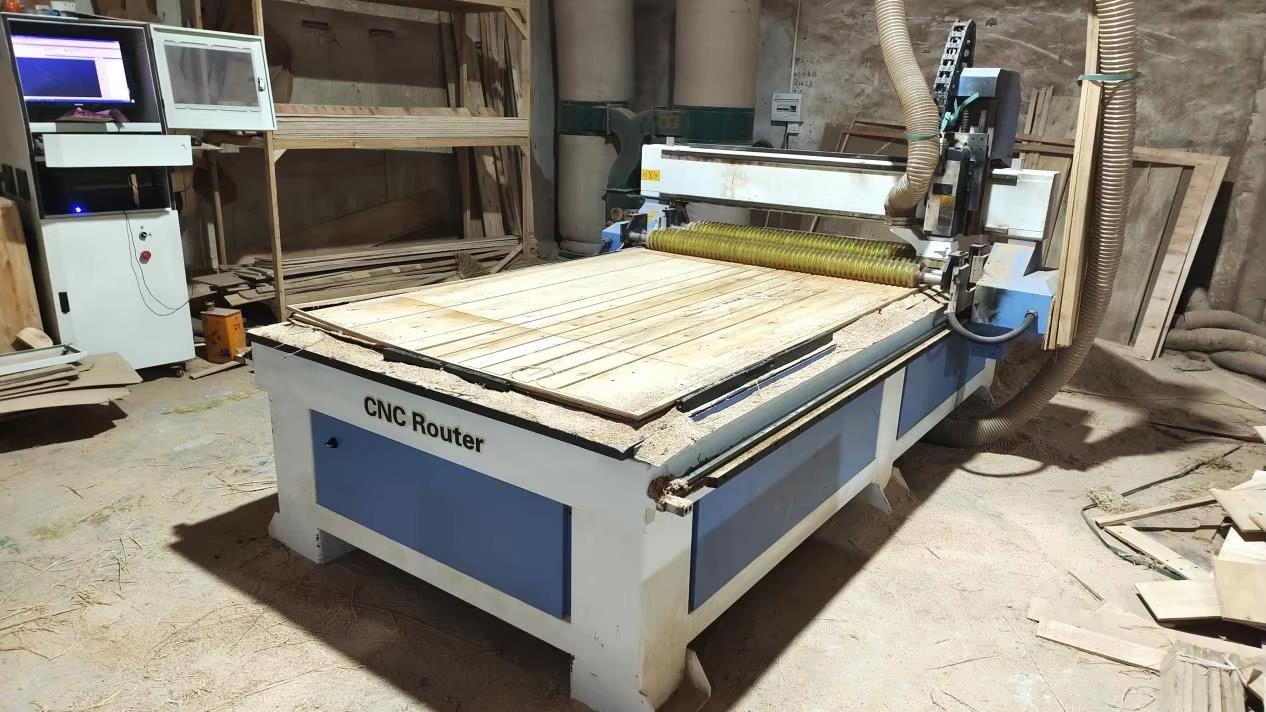
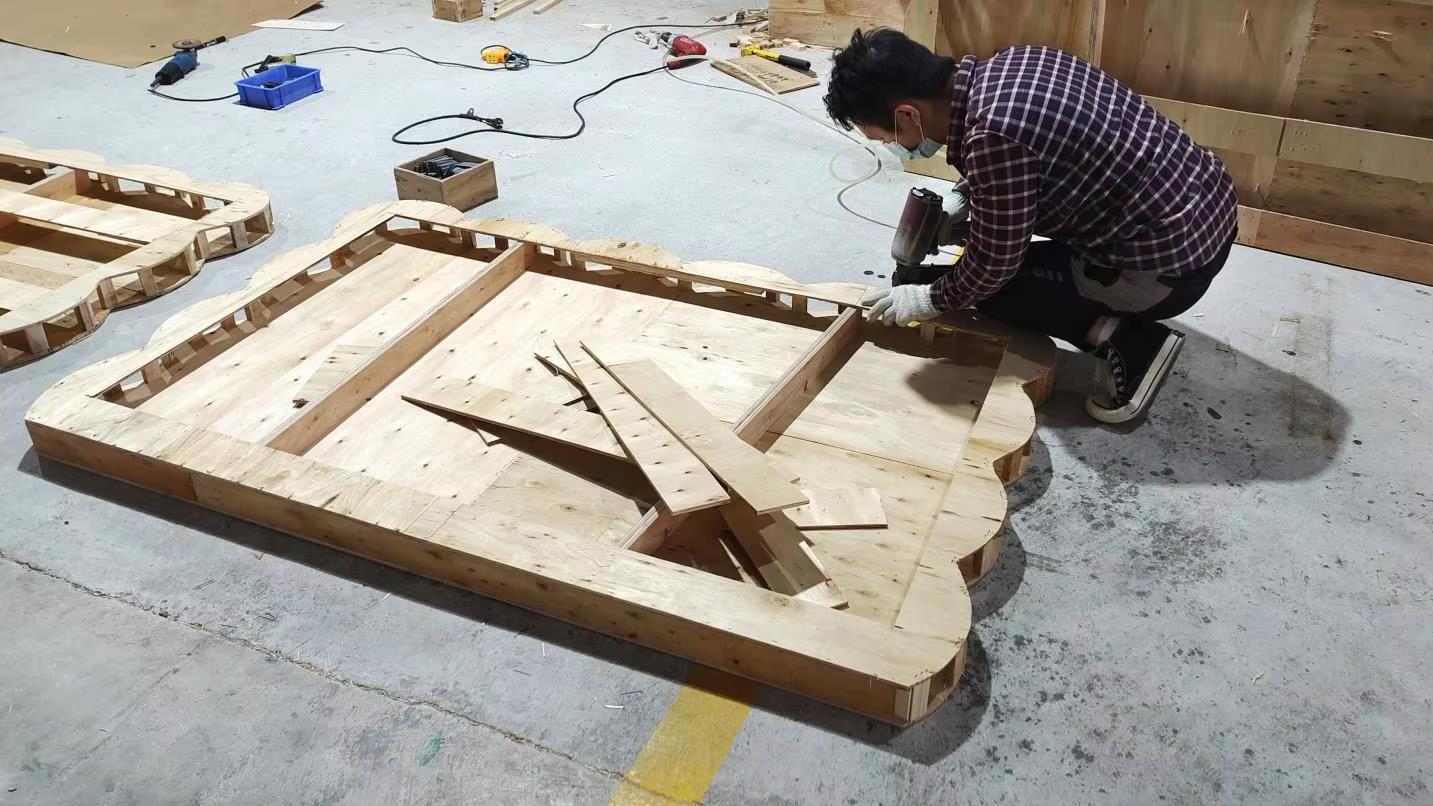
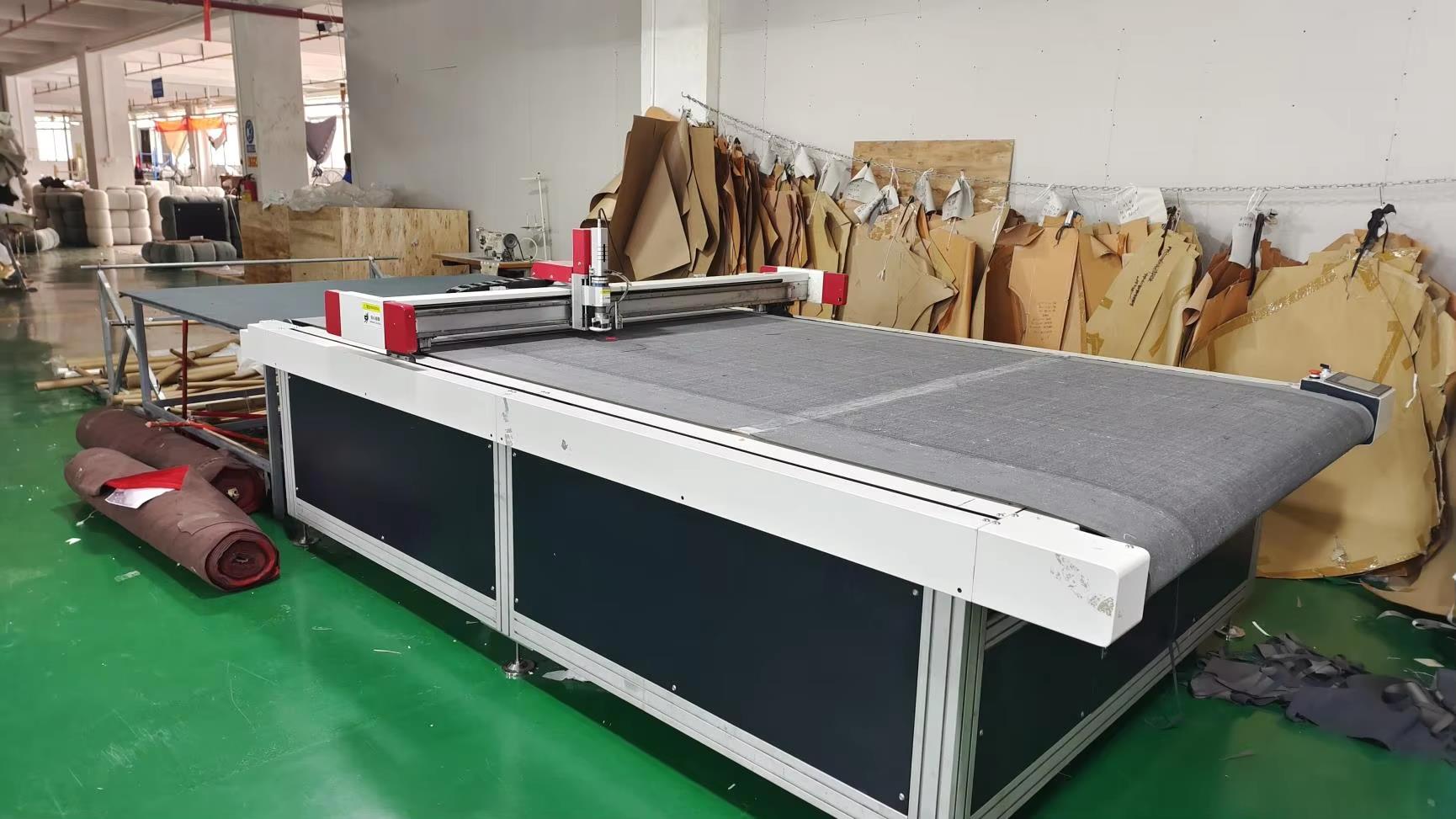
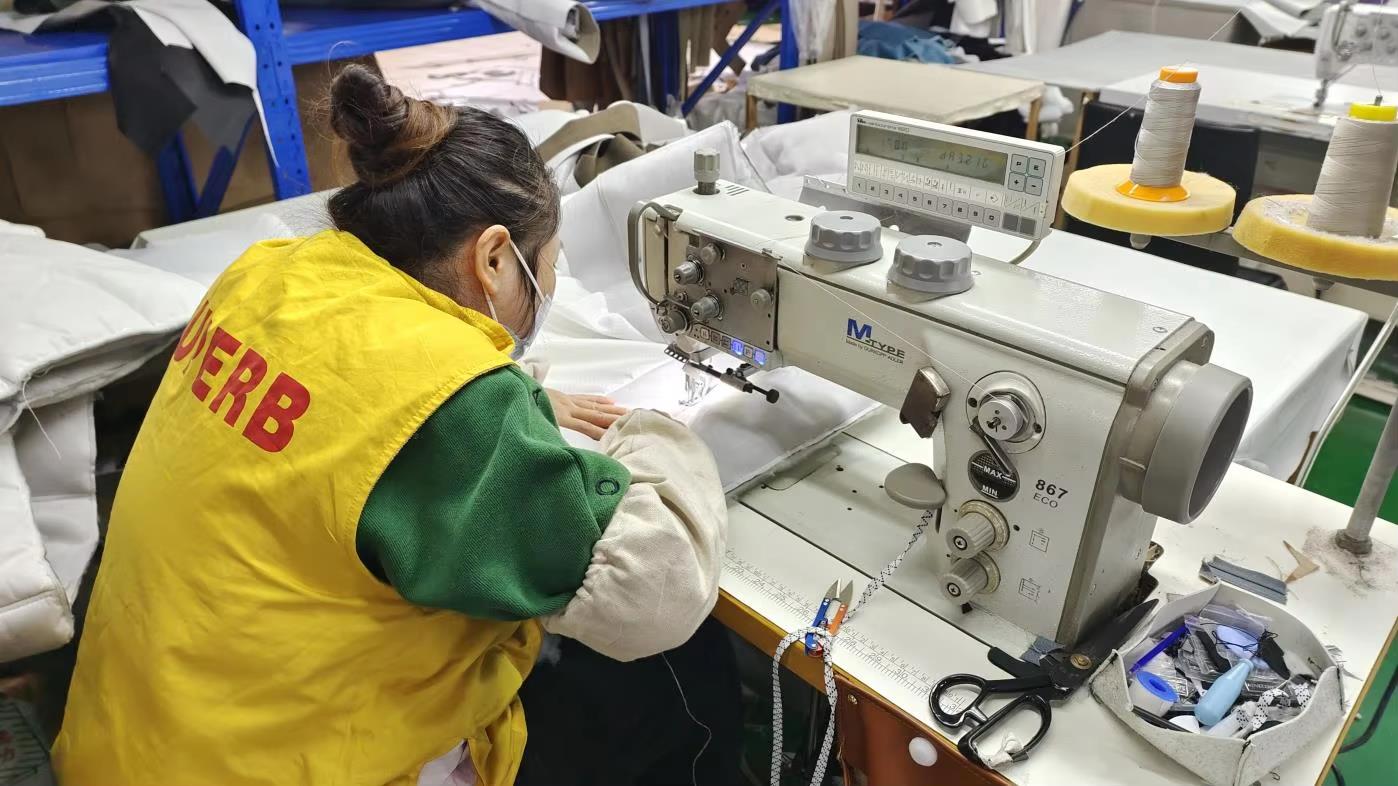
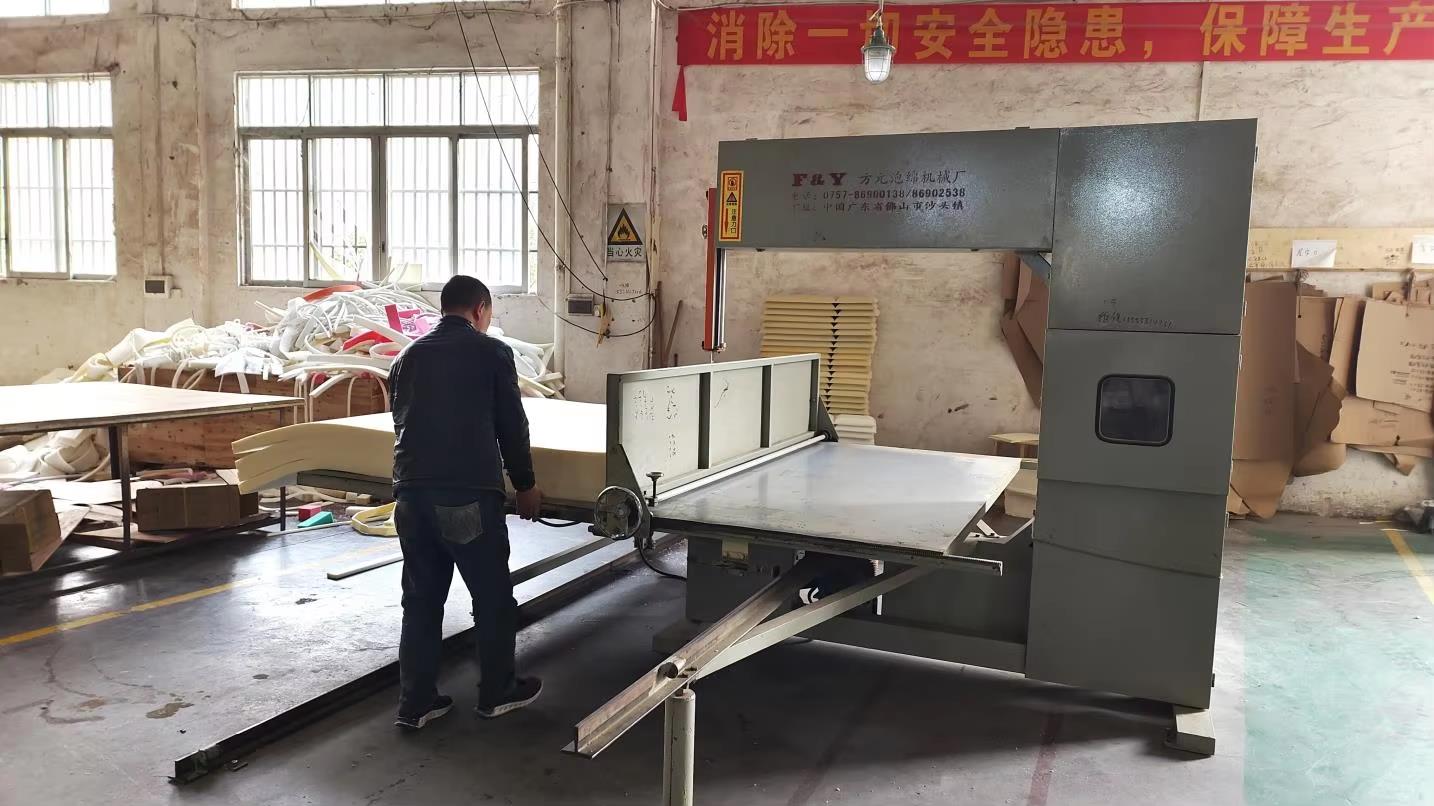
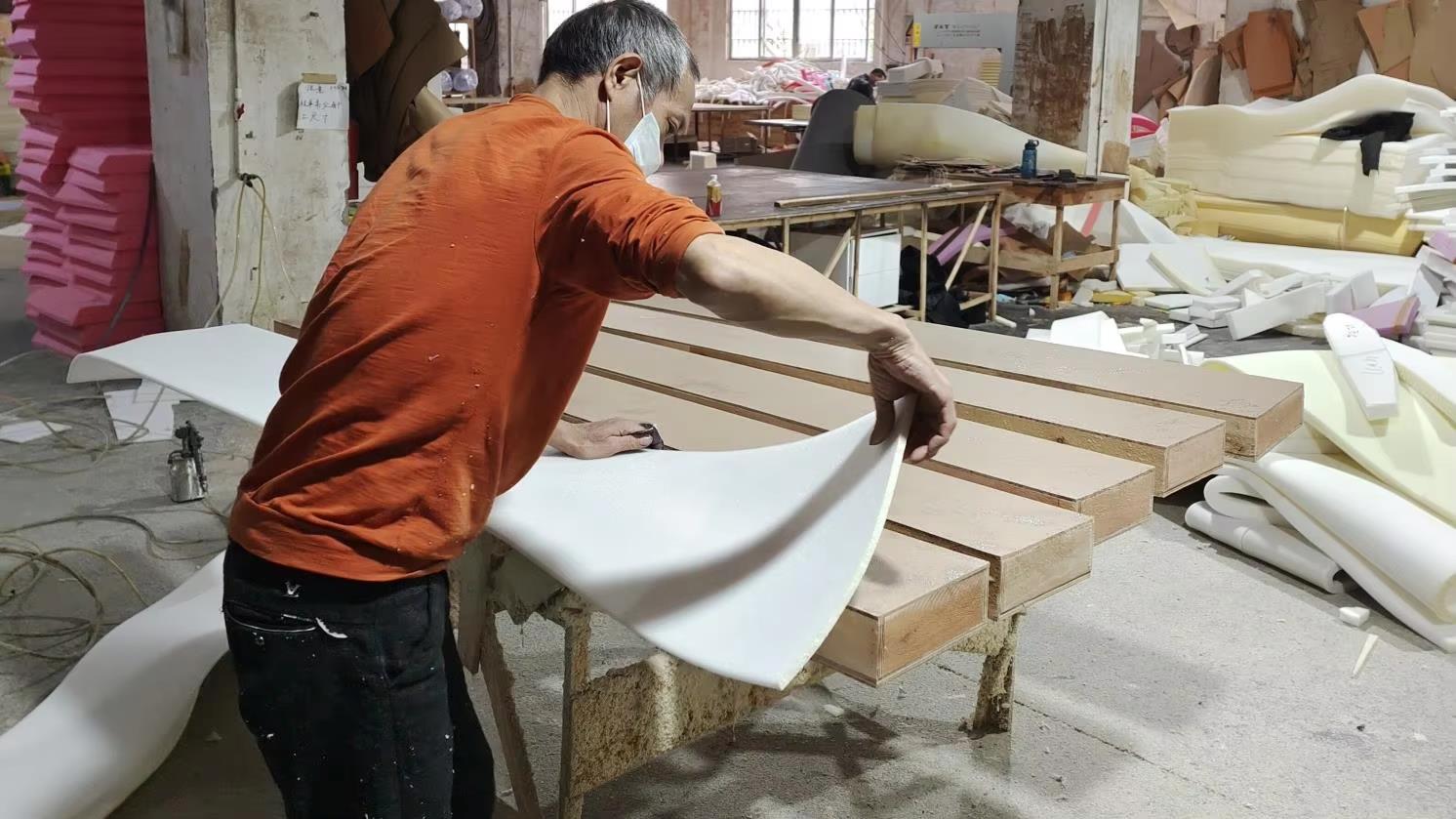
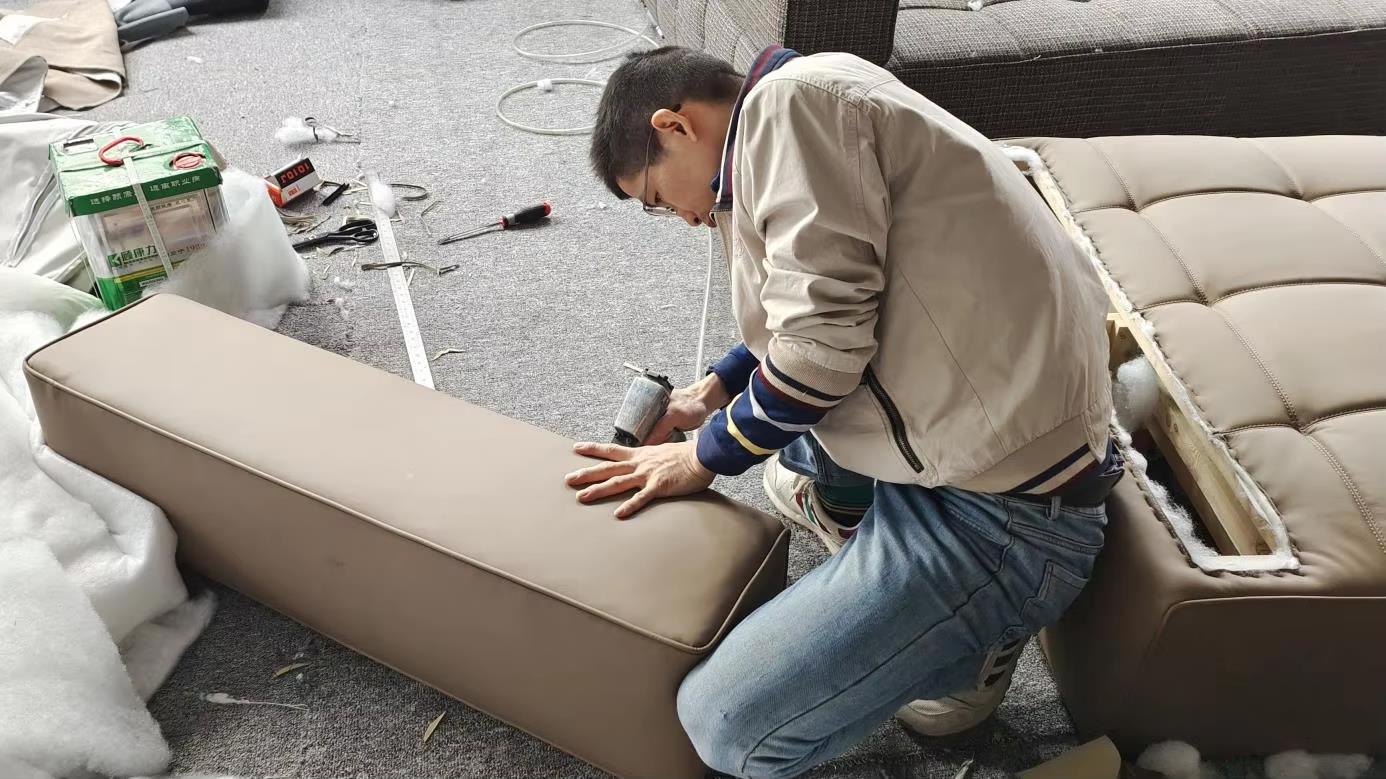
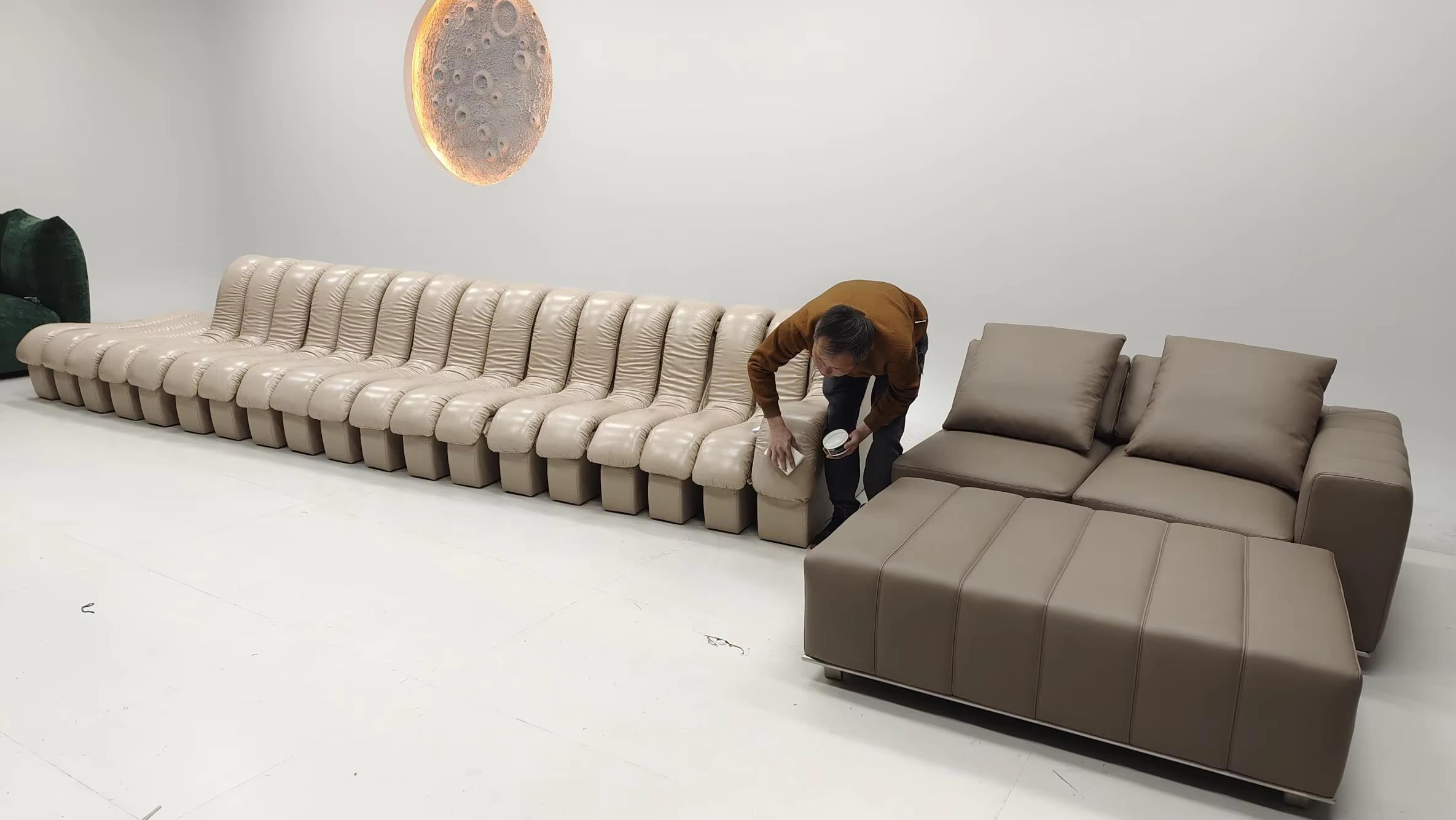
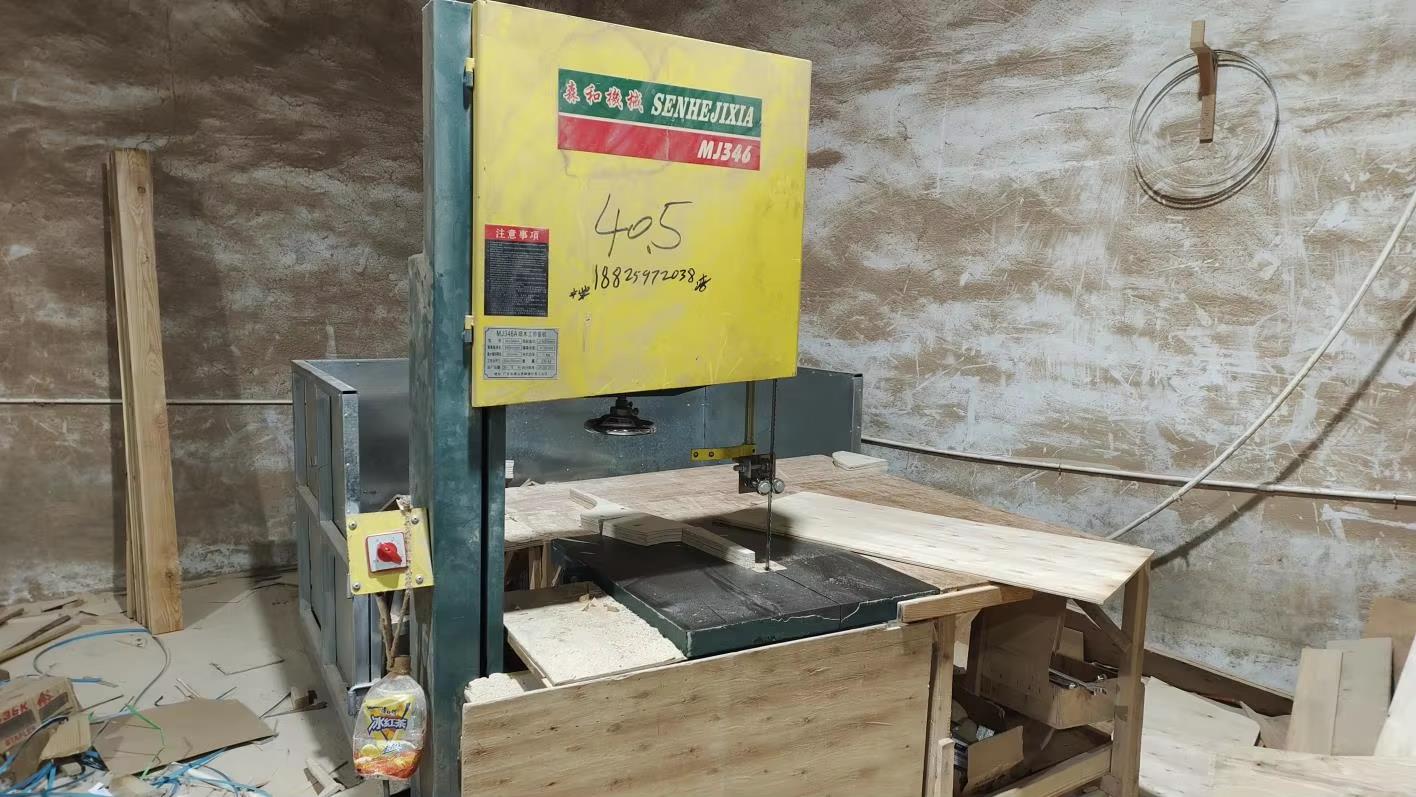
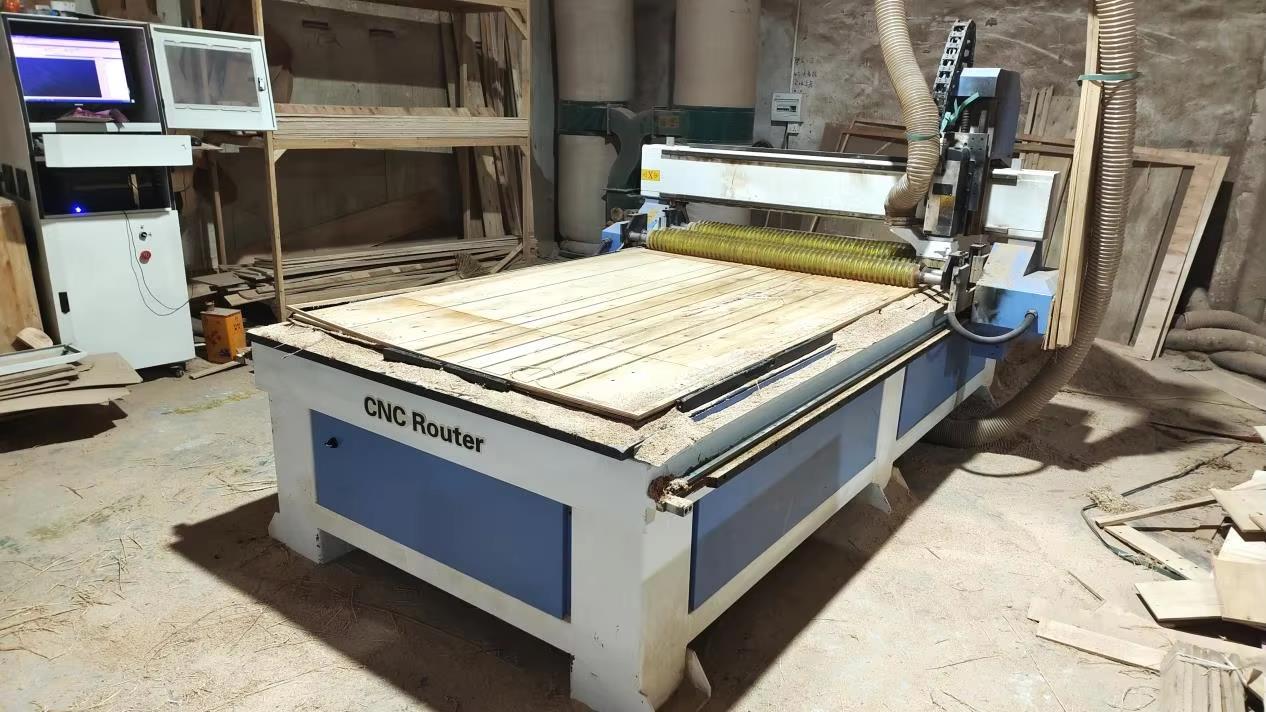
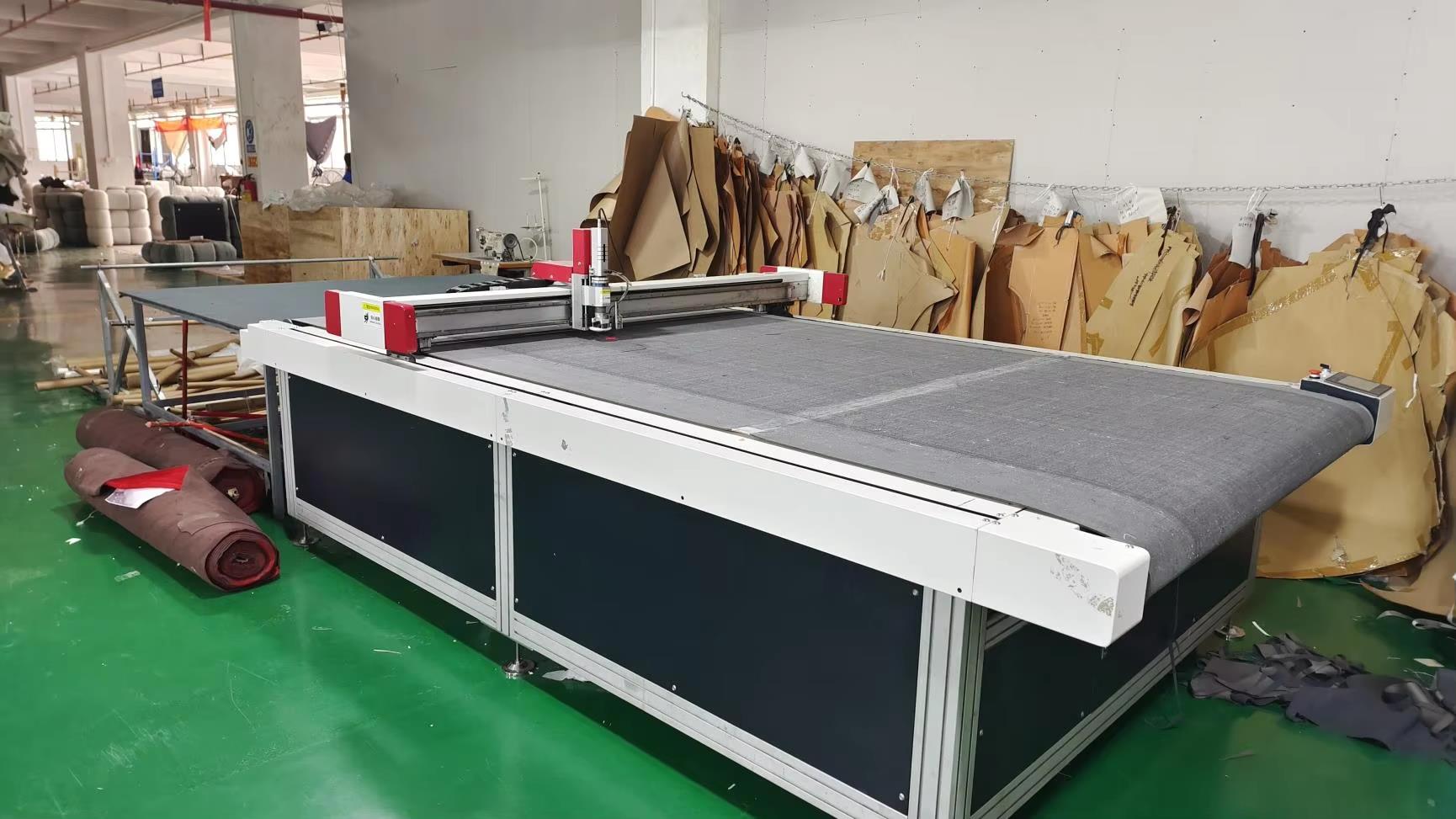
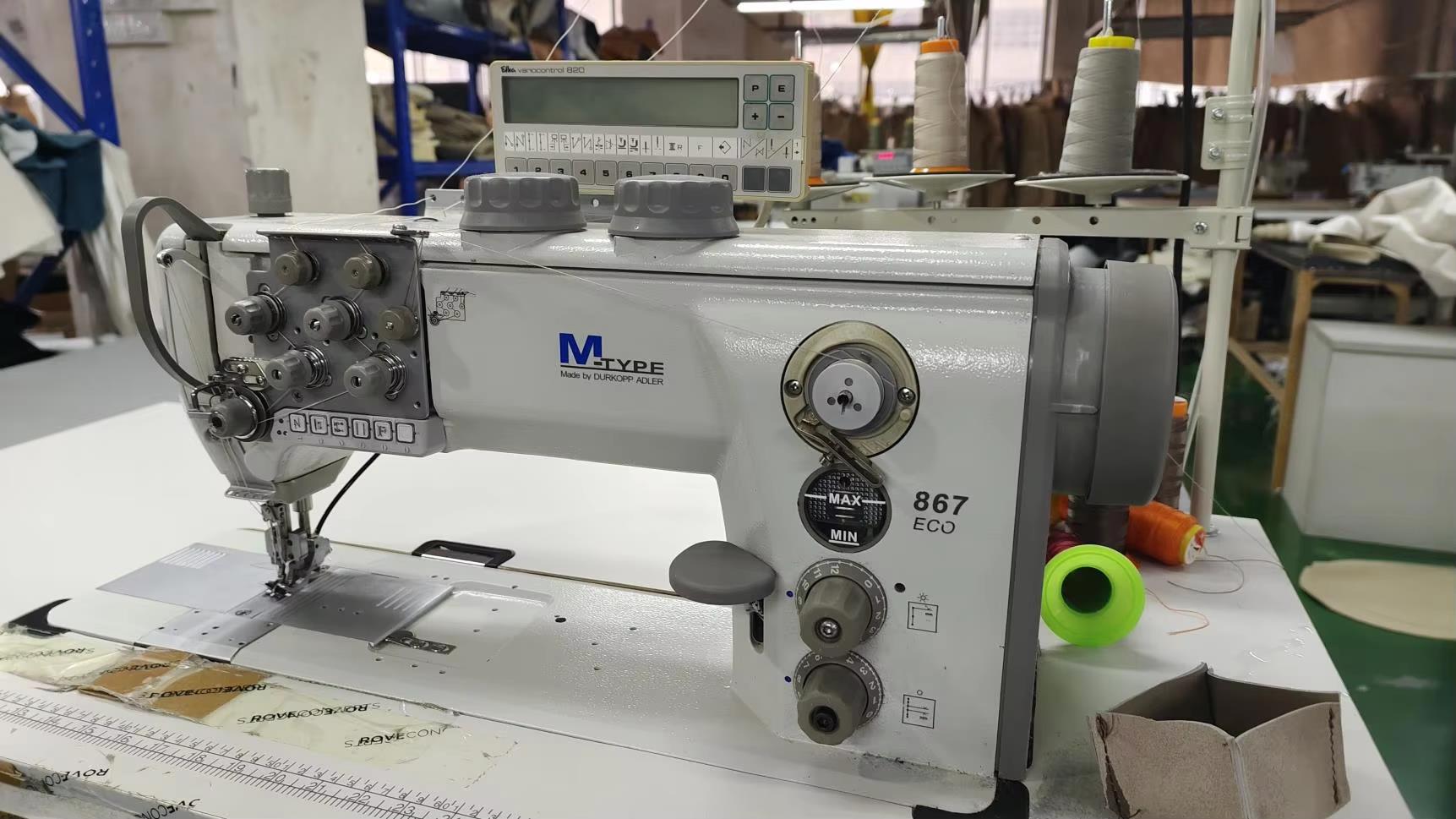
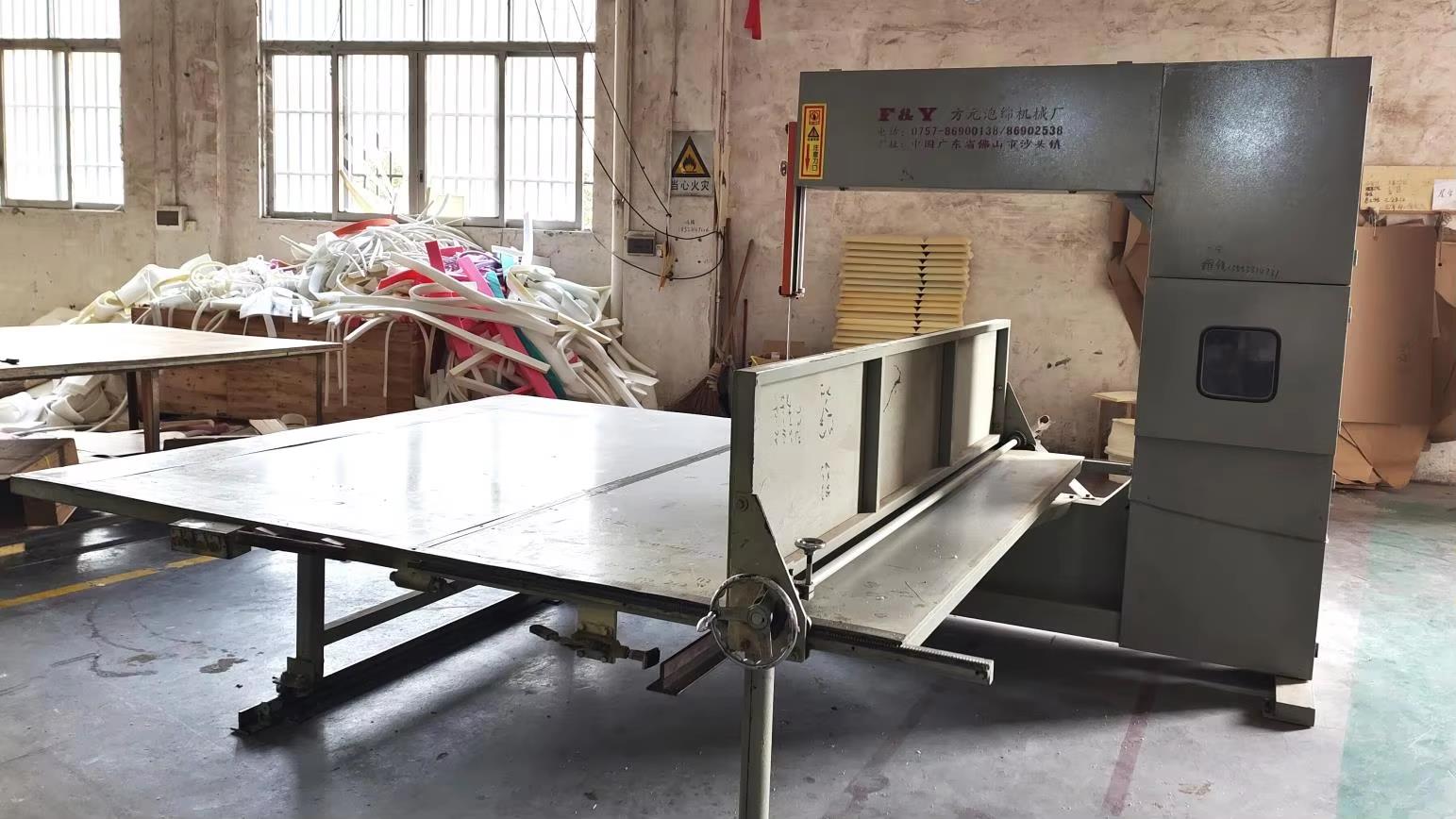
Industrial excellence relies on control over every production phase. GranTree’s manufacturing system uses high-precision machinery paired with skilled hand-finishing. This ensures that every component—whether wood framing, leather accenting, or polyurethane padding—meets international quality standards. Below is a detailed view of our automated and semi-automated production lines:
5. Macro-Industry Solutions for Global Procurement
Different commercial channels present unique challenges. A standardized, one-size-fits-all manufacturing model cannot meet the varied requirements of hospitality procurement officers, franchise store planners, or online catalog managers. GranTree designs customized, industry-specific workflows:
Hospitality & Hotel Groups
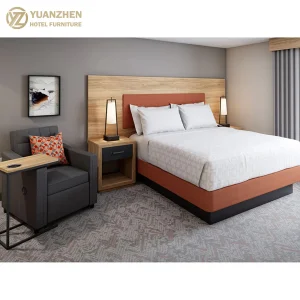
We work with international brands (such as IHG 3-star brands, modern apartments, and premium suites) to provide custom-designed headboards, integrated wall beds, and matching wood framing. These products meet strict fire safety regulations (like CAL 133) while providing a cohesive guest room aesthetic.
Educational & Childcare Environments
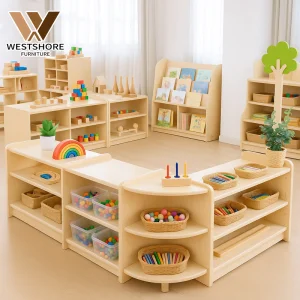
For Montessori schools and daycares, safety is the primary priority. Our production lines utilize certified natural woods, zero-VOC water-based sealers, and rounded profiles to create secure, sensory-friendly furniture systems.
High-Volume Retail & E-Commerce
Online retail platforms require efficient shipping solutions. We offer compressed, modular product designs packaged in high-density corrugated boxes. This structure reduces shipping costs and product damage during transit.
6. Technology Roadmap & Sustainable Manufacturing
The future of furniture and wall art manufacturing relies on advanced digital integration and ecological responsibility. As environmental regulations tighten globally, manufacturers must adapt their operations to remain compliant. Our technical roadmap focuses on three main developments:
A. Precision CNC Manufacturing & Smart Engraving
By integrating high-efficiency CNC routers and laser engravers directly with 3D design software, we minimize raw material waste. This direct digital control allows us to reproduce complex wood and leather carvings consistently across multi-thousand unit production runs.
B. Circular Design & Eco-Friendly Materials
We are shifting away from solvent-based adhesives and heavy-gauge PVC coatings toward biodegradable polymers, recycled fiberboards, and natural organic rattan. This transition helps our clients meet their corporate ESG targets.
C. Compressed Logistics Architectures
To counter rising shipping costs, our engineering team focuses on flat-pack and compressed-cushion designs. By optimizing packaging density, we help reduce the carbon footprint of transport for every container shipped.
7. Localization Support, Customs Clearance & Global Compliance
Managing international logistics requires strict adherence to regulatory standards. Foshan GranTree Furniture supports global clients by providing complete documentation and certification for import compliance:
- FSC Certification: Ensures all wood products are sourced from responsibly managed forests.
- Formaldehyde Testing: Guarantees compliance with US CARB Phase II and European E1 emission limits.
- Customs Cleared Logistics: Our logistics team handles international freight paperwork, offering door-to-door delivery options to simplify the import process.