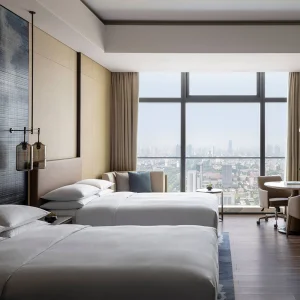
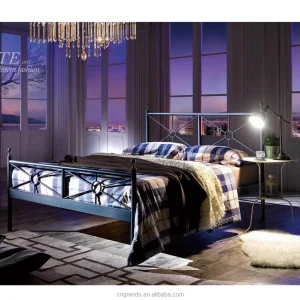
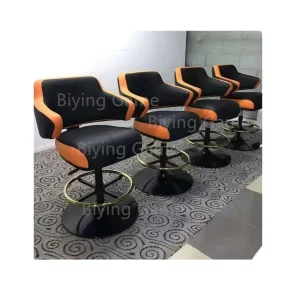
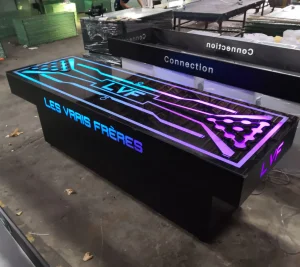
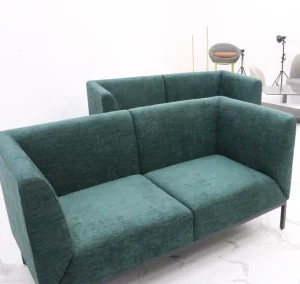
Featured Engineering & Design Furniture Showcase
Explore high-performance commercial and residential furniture structures designed for hospitality FF&E, modern architecture, and luxury residential projects.
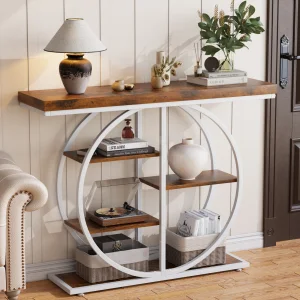
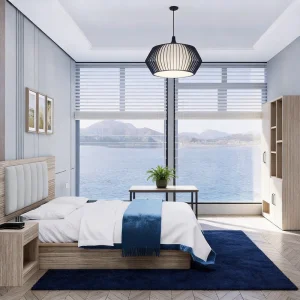
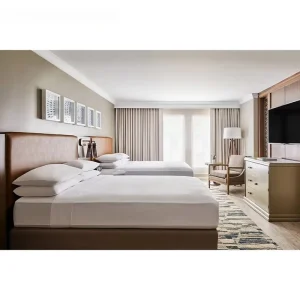
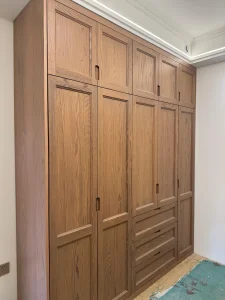
1. Executive Summary & B2B Global Landscape
Evaluating the macro-economic shifts, raw material trends, and spatial designs reshaping the commercial bathroom storage hardware sector.
The Shift in Global Sanitary Ware Requirements
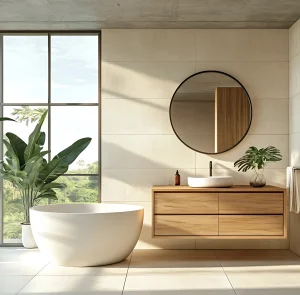
In modern commercial construction and hospitality design, the bathroom is no longer considered a purely utilitarian space. Instead, it has transitioned into a private wellness sanctuary. This evolution requires high-durability hardware, and in particular, specialized bathroom shelving systems. B2B buyers—ranging from architectural firms and hotel developers to wholesale distributors—face strict requirements. They demand products that merge long-term structural integrity with advanced space optimization.
Global demand is shifting towards rust-proof alloys, heavy-duty tempered safety glass, and customizable spatial configurations. As raw material prices fluctuate and environmental compliance protocols like CARB Phase II, LEED v4, and RoHS become stricter, finding reliable manufacturing partners is essential for project success.
Procurement Risk Mitigation in High-Humidity Environments
Bathroom storage hardware is constantly exposed to high relative humidity, chemical cleaners, and physical wear. Lower-tier manufacturers often use standard carbon steels or low-grade stainless steels (such as SUS201) that lack proper passivation. This can lead to surface oxidation and corrosion in as little as six months.
Leading manufacturers mitigate these issues by using high-quality SUS304 or SUS316 stainless steel, aerospace-grade space aluminum, and multi-layer PVD (Physical Vapor Deposition) coatings. Working with certified manufacturers protects B2B buyers from structural failures and premature replacement costs, which helps preserve brand reputation across large projects.
2. Company Spotlight: Foshan GranTree Furniture Co., Ltd.
A premier manufacturer delivering full-chain, end-to-end B2B supply chain solutions across global furniture and commercial hardware sectors.
About Foshan GranTree Furniture Co., Ltd.
Foshan GranTree Furniture Co., Ltd. is a leading furniture manufacturer with over 20 years of experience in the industry. Over the years, we have earned the trust of numerous renowned brands, national institutions, and global partners, thanks to our commitment to quality, innovation, and reliability.
At GranTree, we are more than just a furniture manufacturer — we provide a full-chain, end-to-end supply chain solution for the furniture industry. Our services cover every stage of the process, including R&D design, material sourcing, production, quality inspection, and logistics, offering clients a seamless one-stop solution.
Our professional team prioritizes close collaboration with clients, taking the time to thoroughly understand specific requirements and deliver customized, high-quality furniture solutions that meet diverse needs. Equipped with a 163,000 m² modern production facility and a highly skilled workforce, GranTree has the capacity to manage large-scale orders efficiently, ensuring precision, consistency, and timely delivery.
We continually invest in research and innovation to stay at the forefront of furniture trends, blending functionality, aesthetics, and sustainability in every product. From luxurious hotel furniture to stylish residential and commercial pieces, GranTree is dedicated to turning your ideas into reality.
"From concept to delivery — GranTree is your trusted partner in full-chain furniture manufacturing."
3. China's Factory Supply Chain Resilience & Cost Advantages
Why Chinese manufacturing hubs, specifically the Foshan furniture cluster, remain crucial for global B2B procurement networks.
Deep Industrial Cluster Clustering
Foshan represents a highly integrated industrial ecosystem. Raw steel processing, aluminum extrusion plants, precision CNC tooling facilities, and advanced anodizing workshops operate within a 30-mile radius. This geographical proximity reduces transit times and eliminates long-distance logistics costs for raw materials, allowing factories to respond quickly to sudden changes in design specs.
Advanced Process Automation
Leading Chinese factories have invested in industrial automation to mitigate rising labor costs. With high-precision automated wood routing, laser tube cutters, robot welding stations, and computerized surface polishing, production lines maintain consistent tolerances of less than 0.1mm. This automated approach ensures that every bathroom shelf unit meets identical manufacturing standards.
Agile Scaling & Order Flexibility
Thanks to standardized production setups and digital inventory tracking, China's modern supply chain can scale production rapidly. Factories can efficiently adjust lines to handle custom, low-volume runs for boutique hotel projects as well as high-volume runs for global multi-family residential developments, maintaining competitive lead times across the board.
4. Full-Chain Factory Production & Machining Process
A step-by-step tour through our advanced facility, showcasing raw material machining, woodworking, leather upholstery, assembly, and strict quality control protocols.
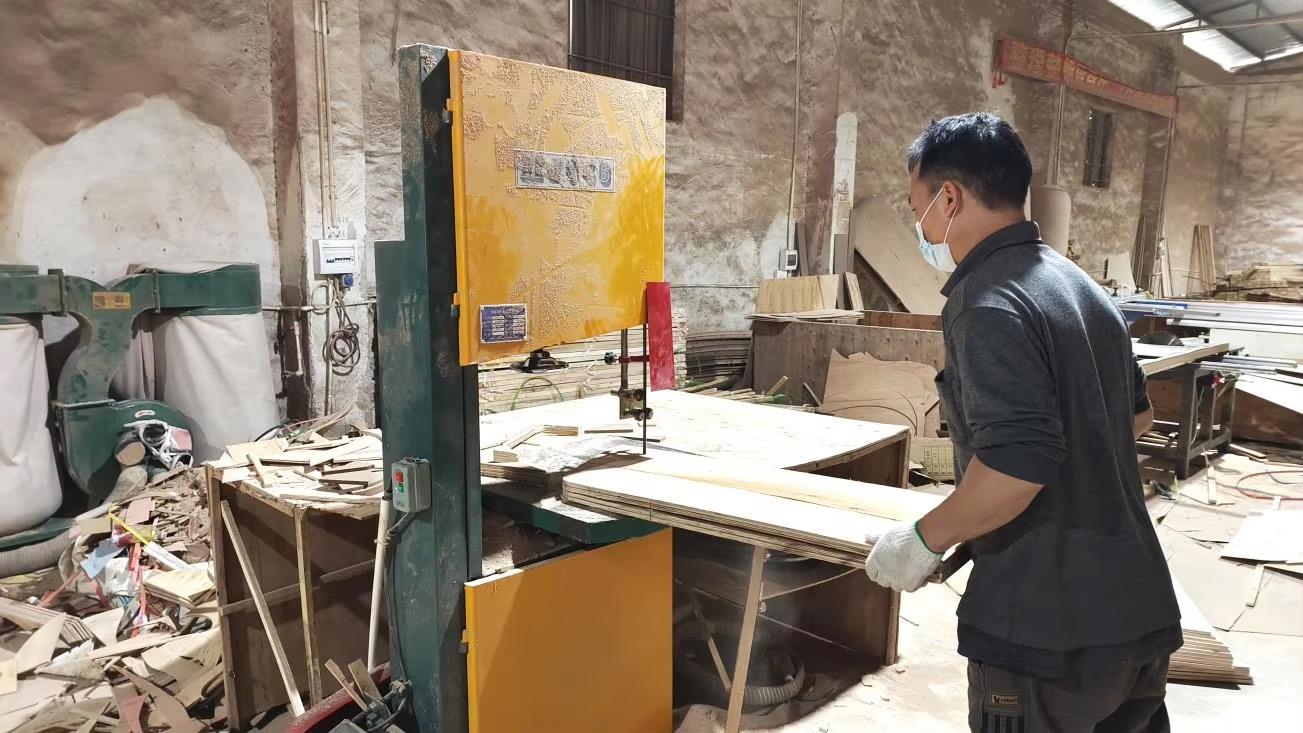
Cutting (Wood)
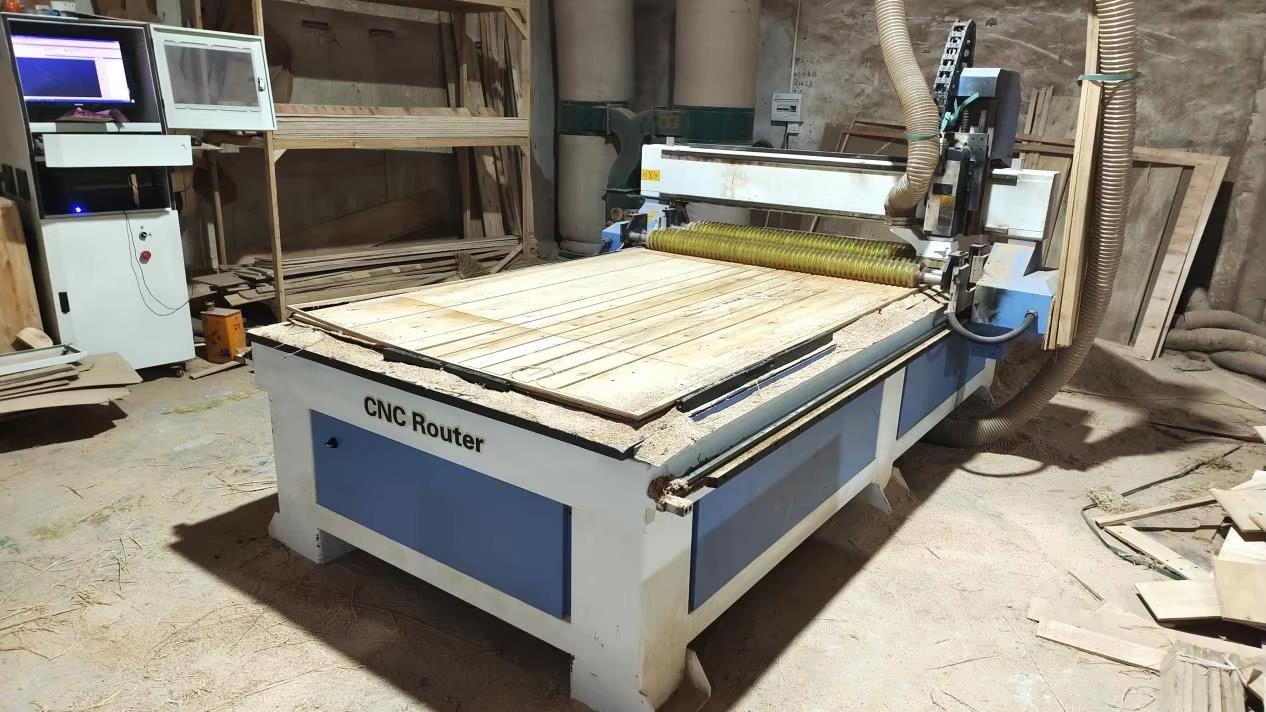
Laser Engraving (Wood)
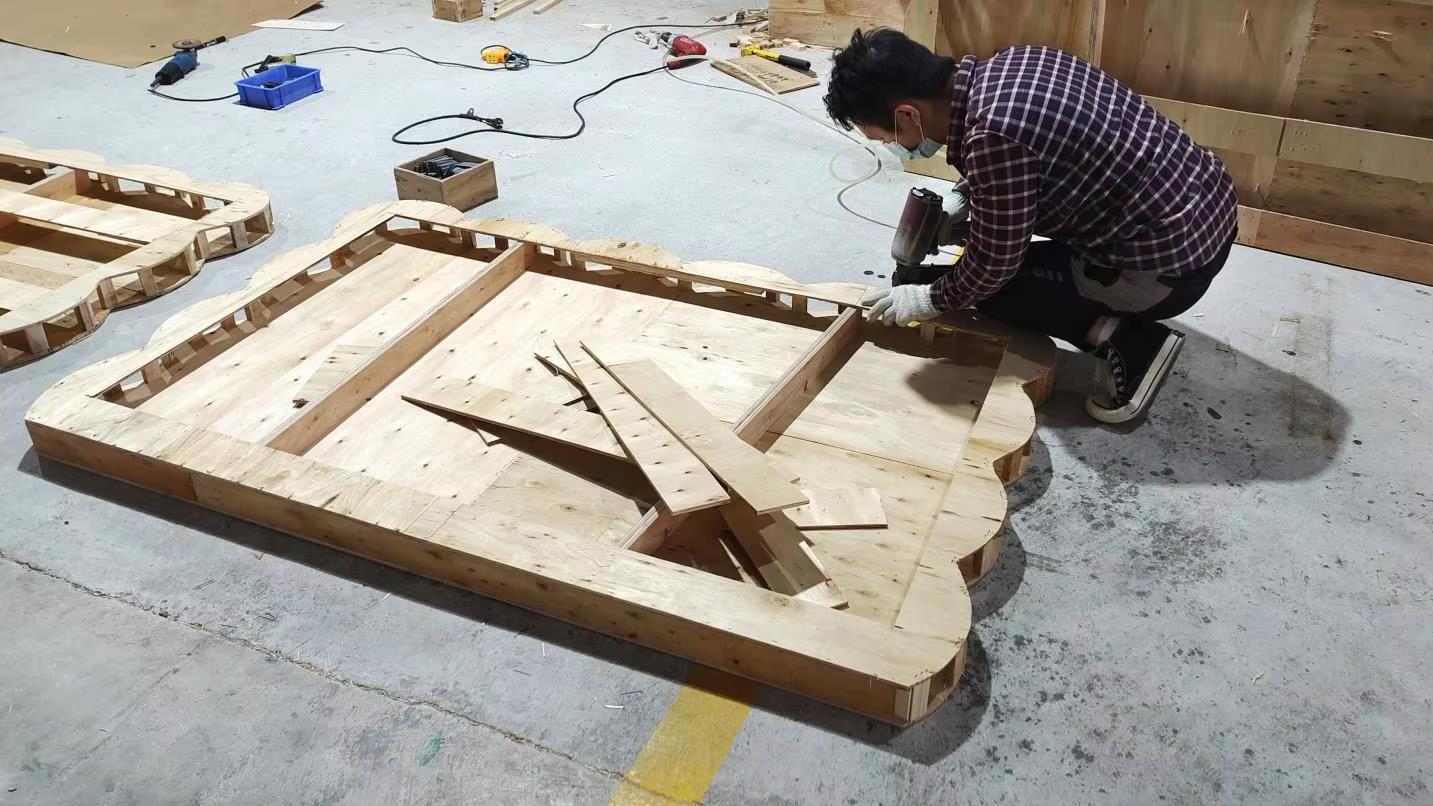
Nailing the Frame
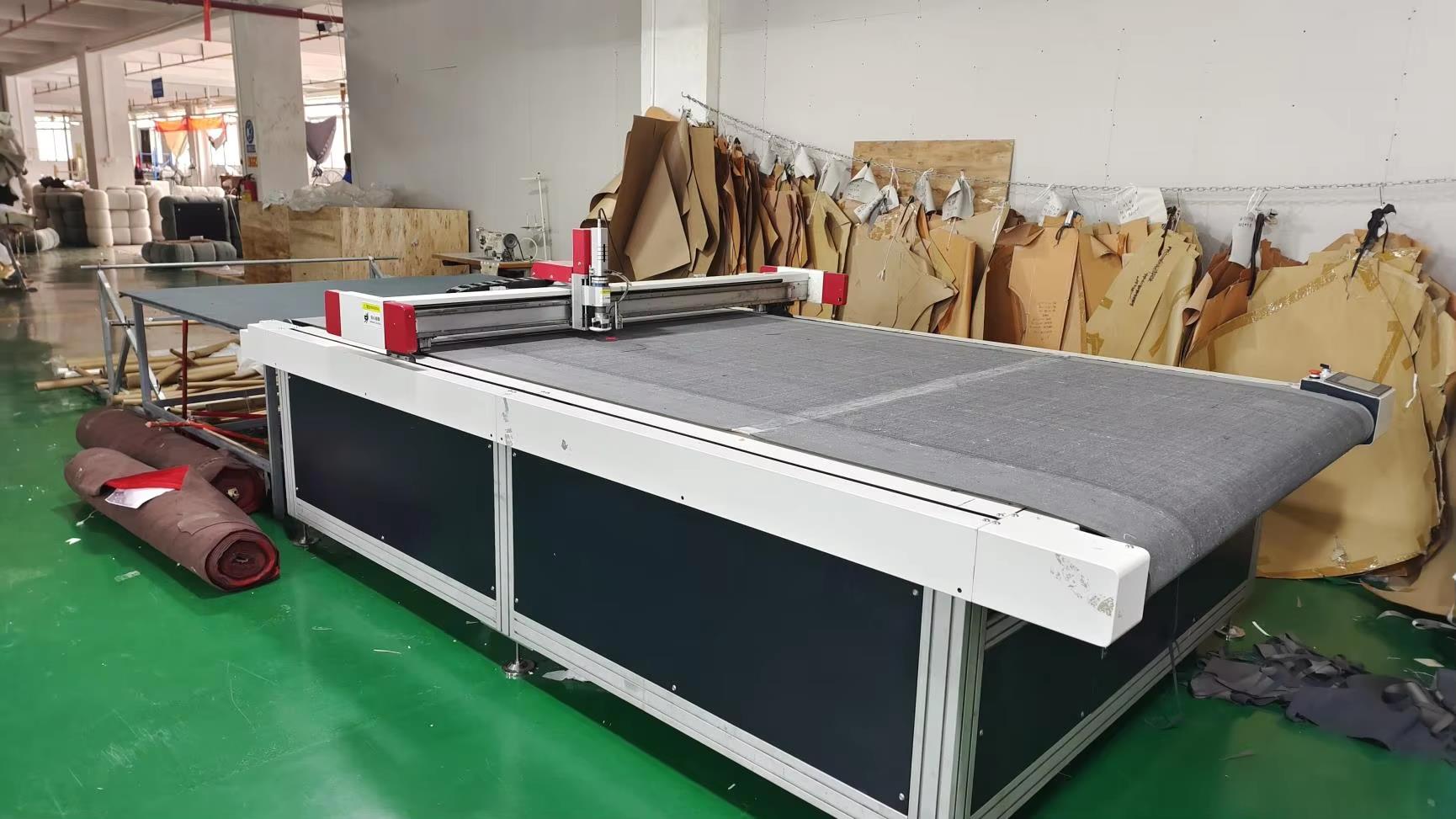
Cutting (Leather)
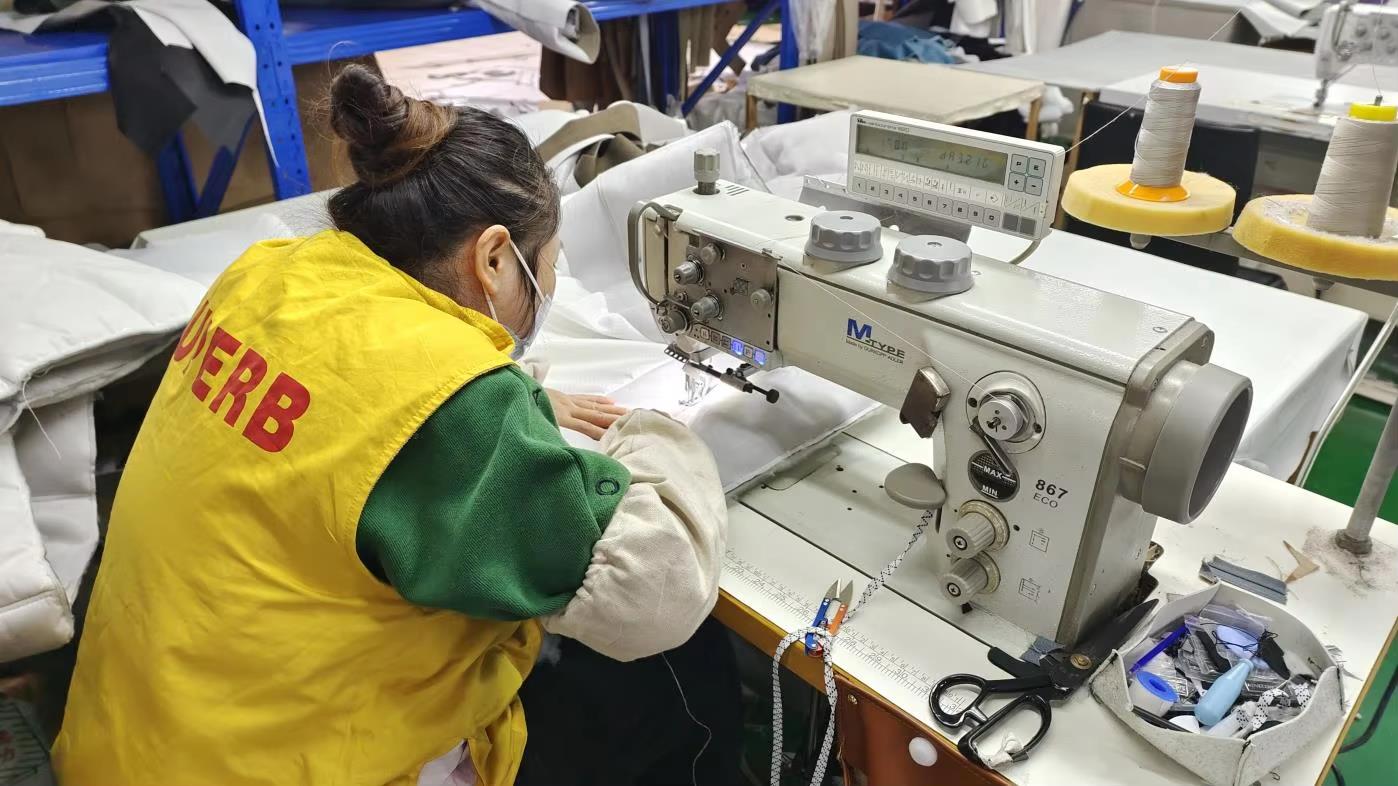
Sewing
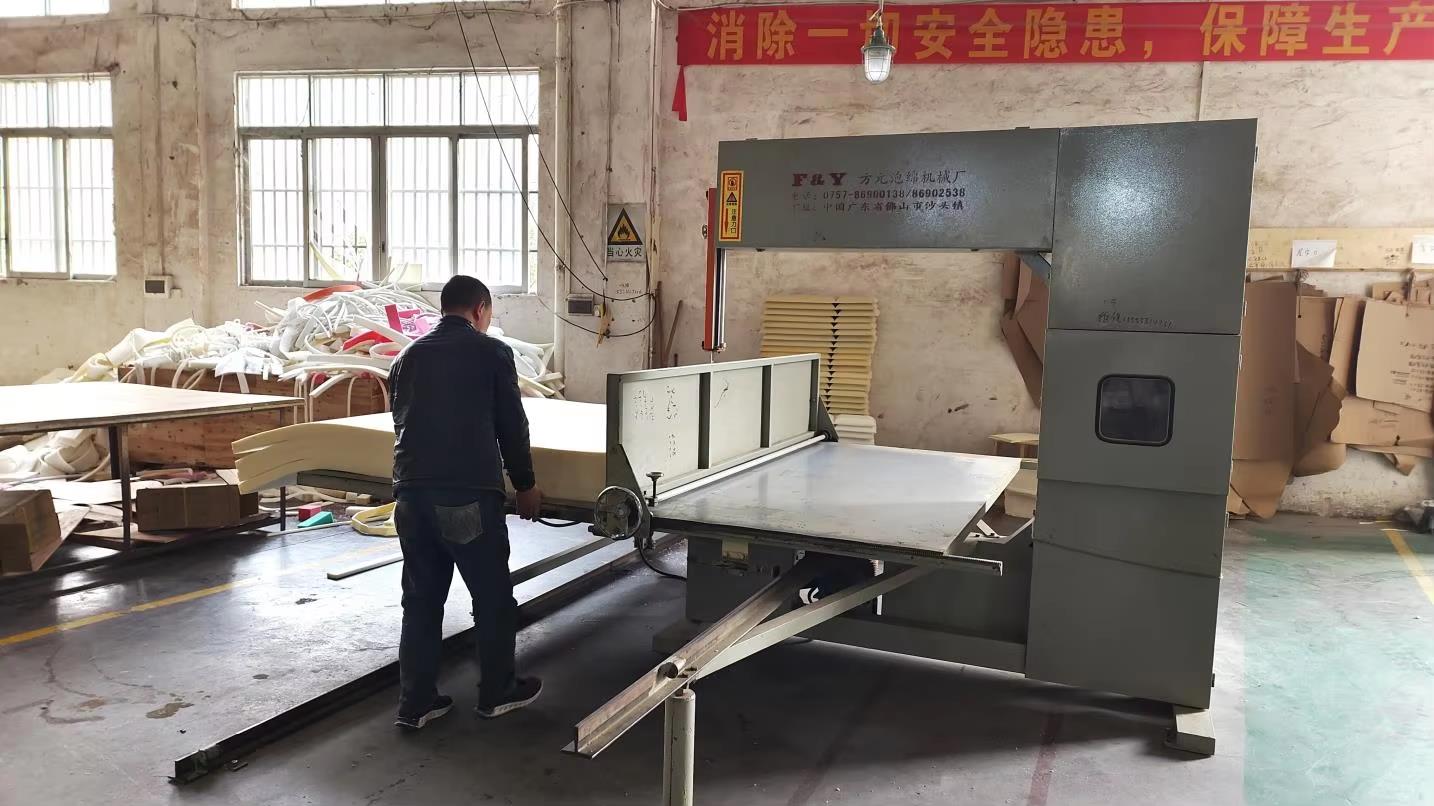
Cutting (Sponge)
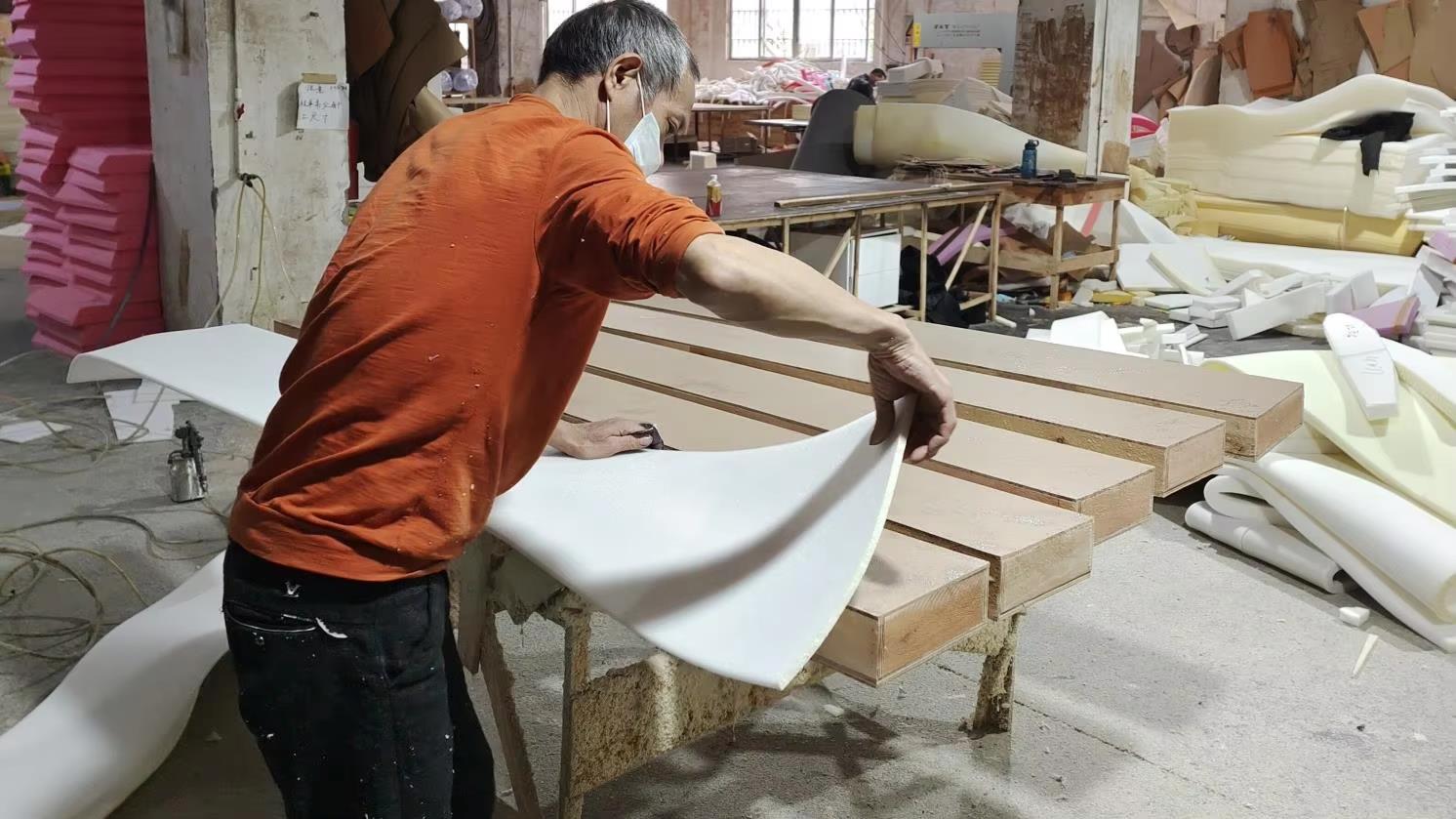
Pasting Sponge
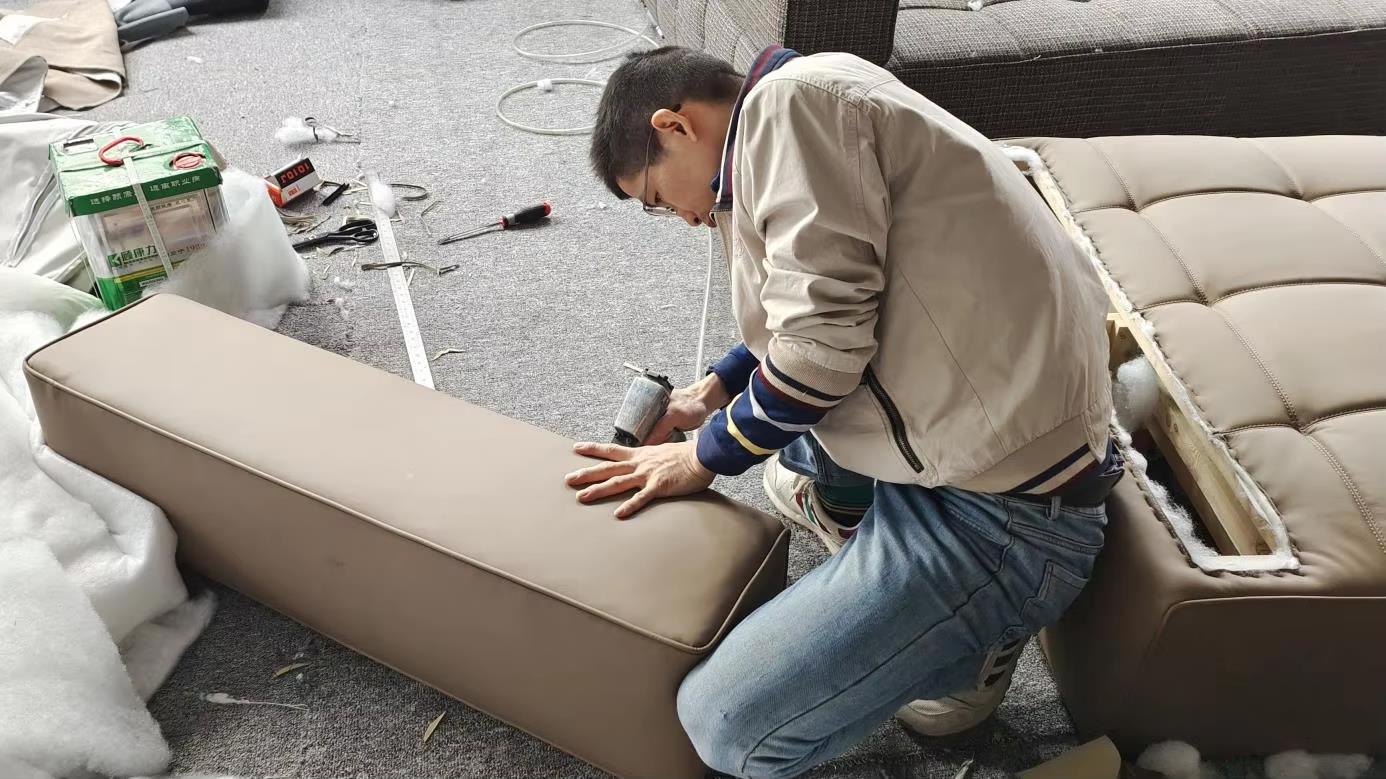
Leather Assembling
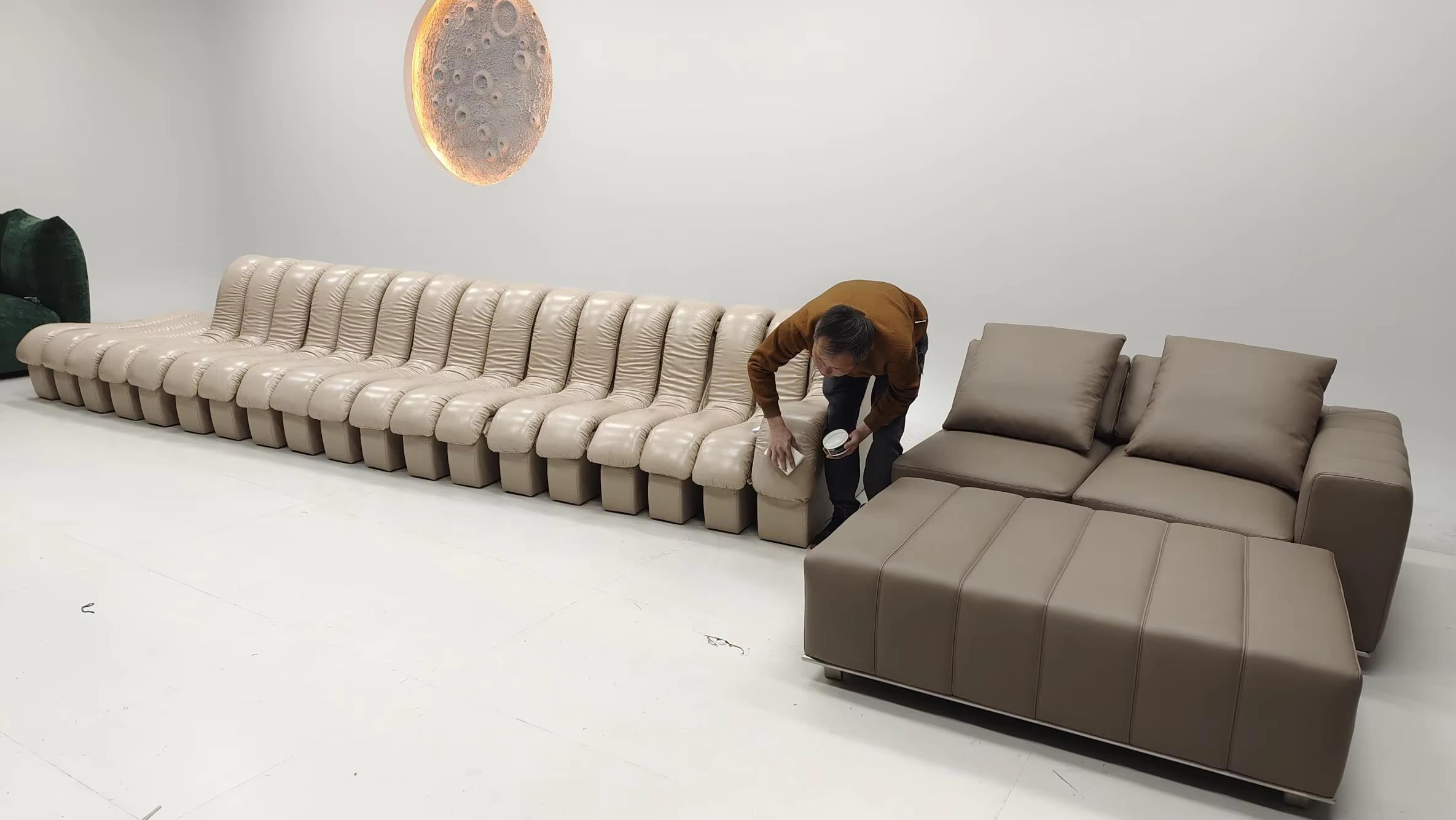
Quality Inspection
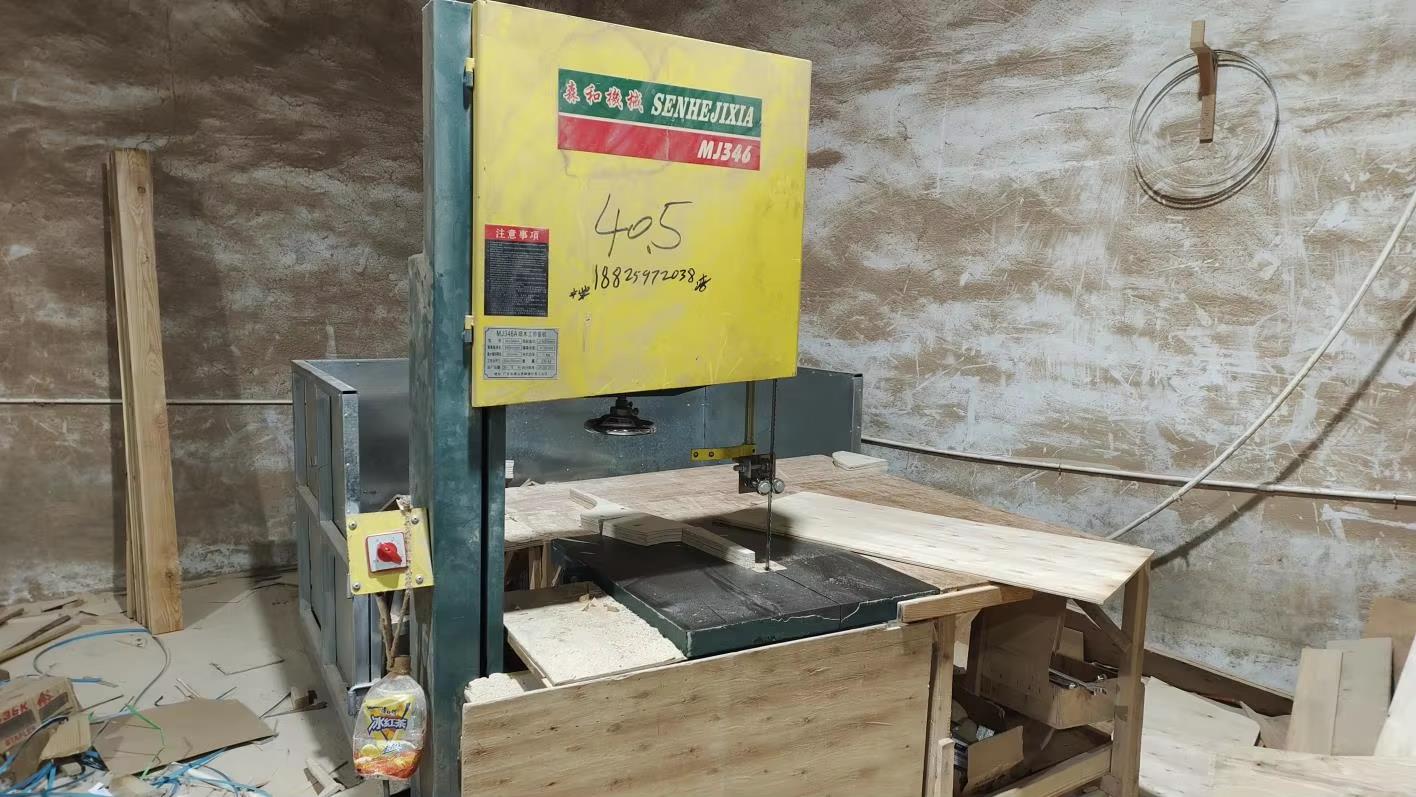
Precision Saw
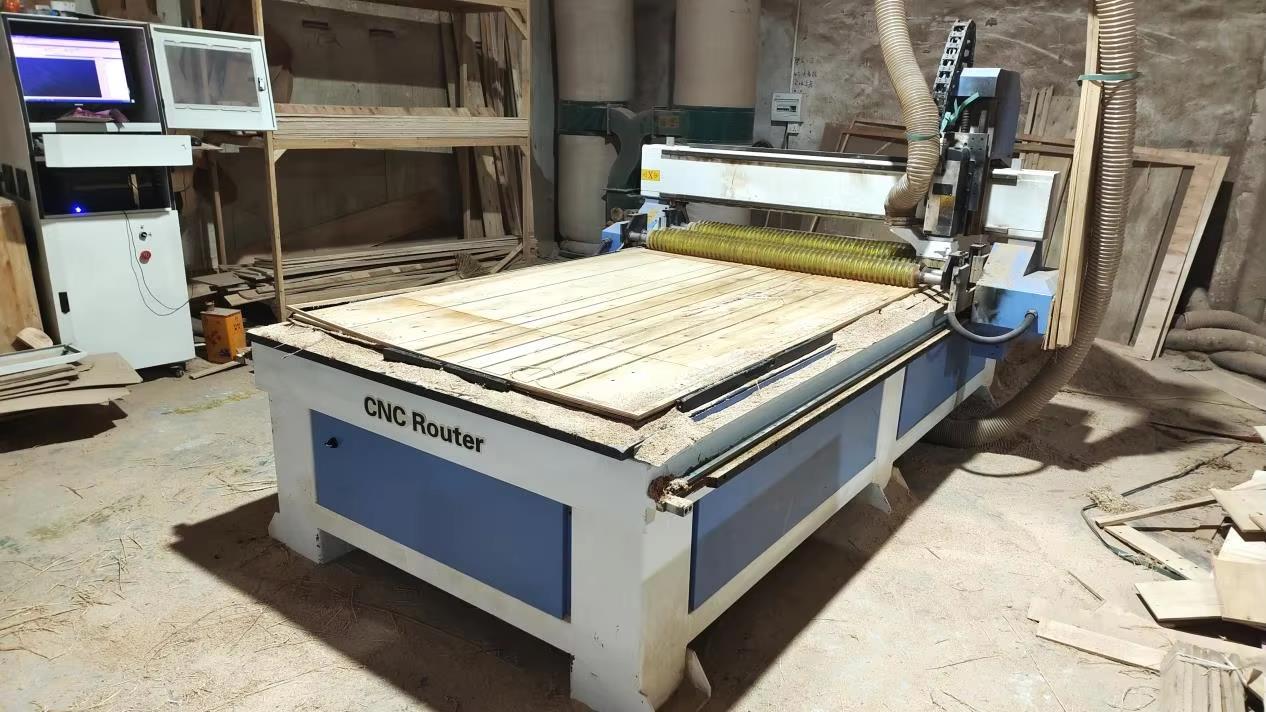
Engraving Machine
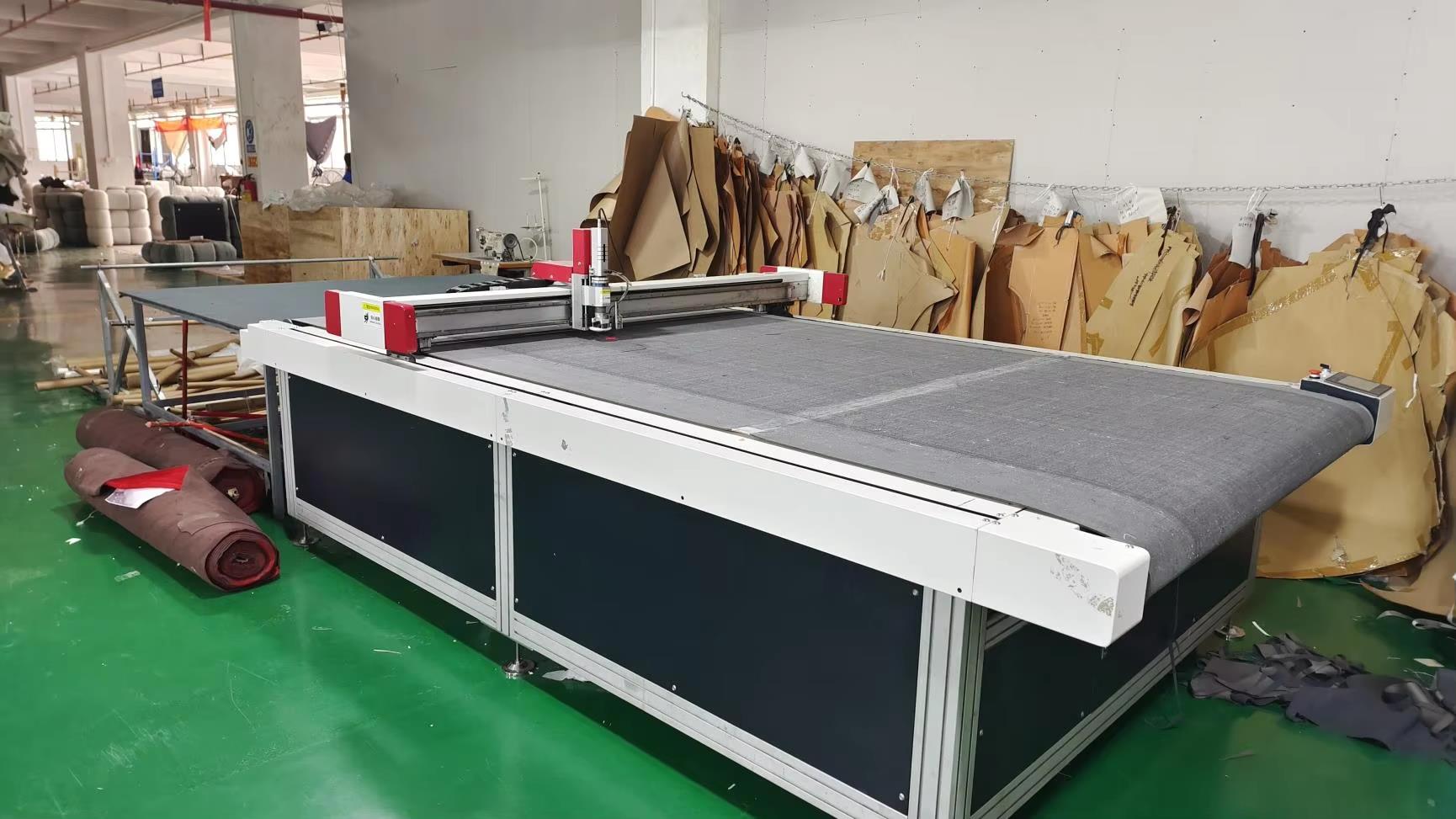
Leather Cutting Machine
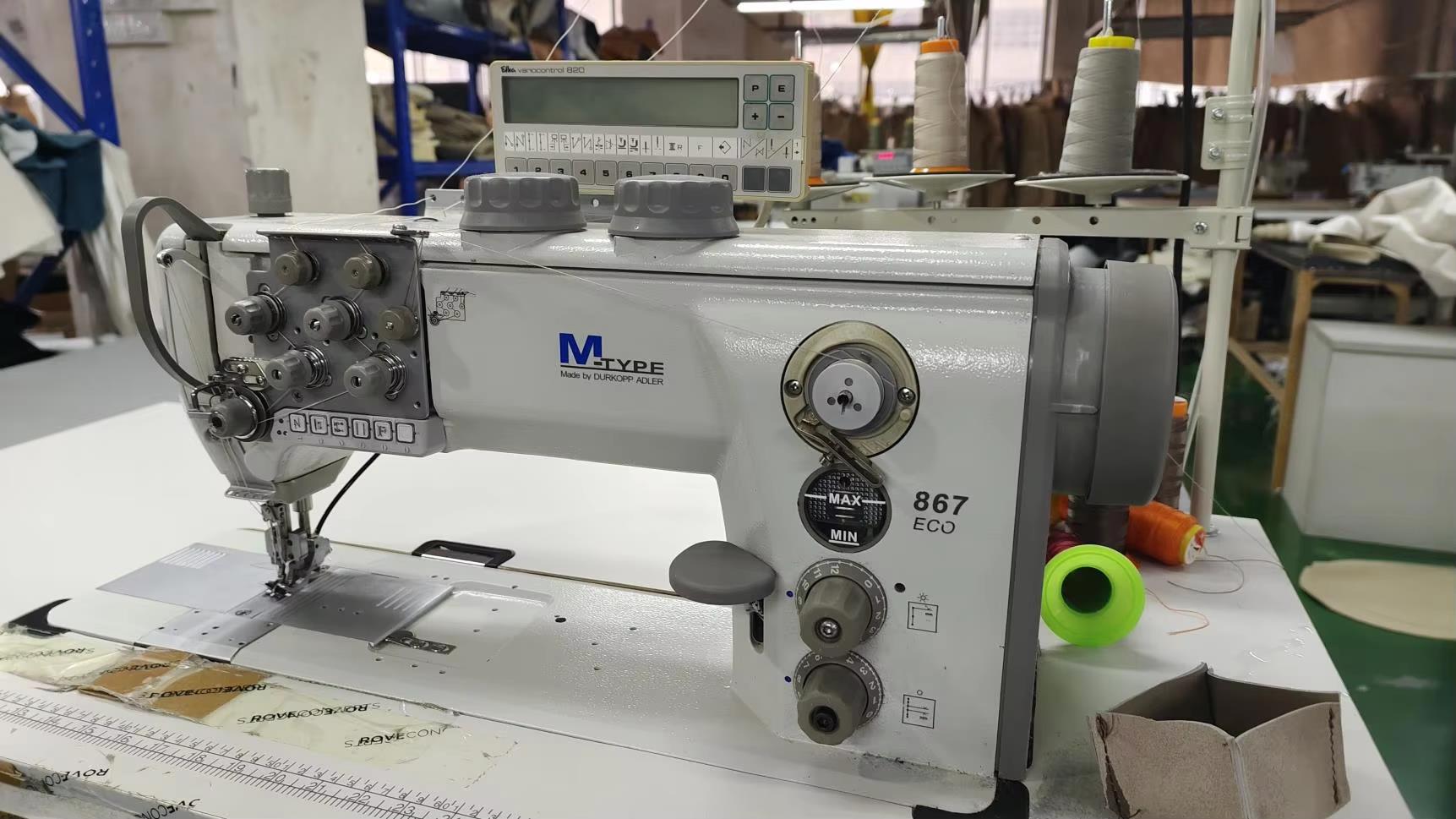
Sewing Machine
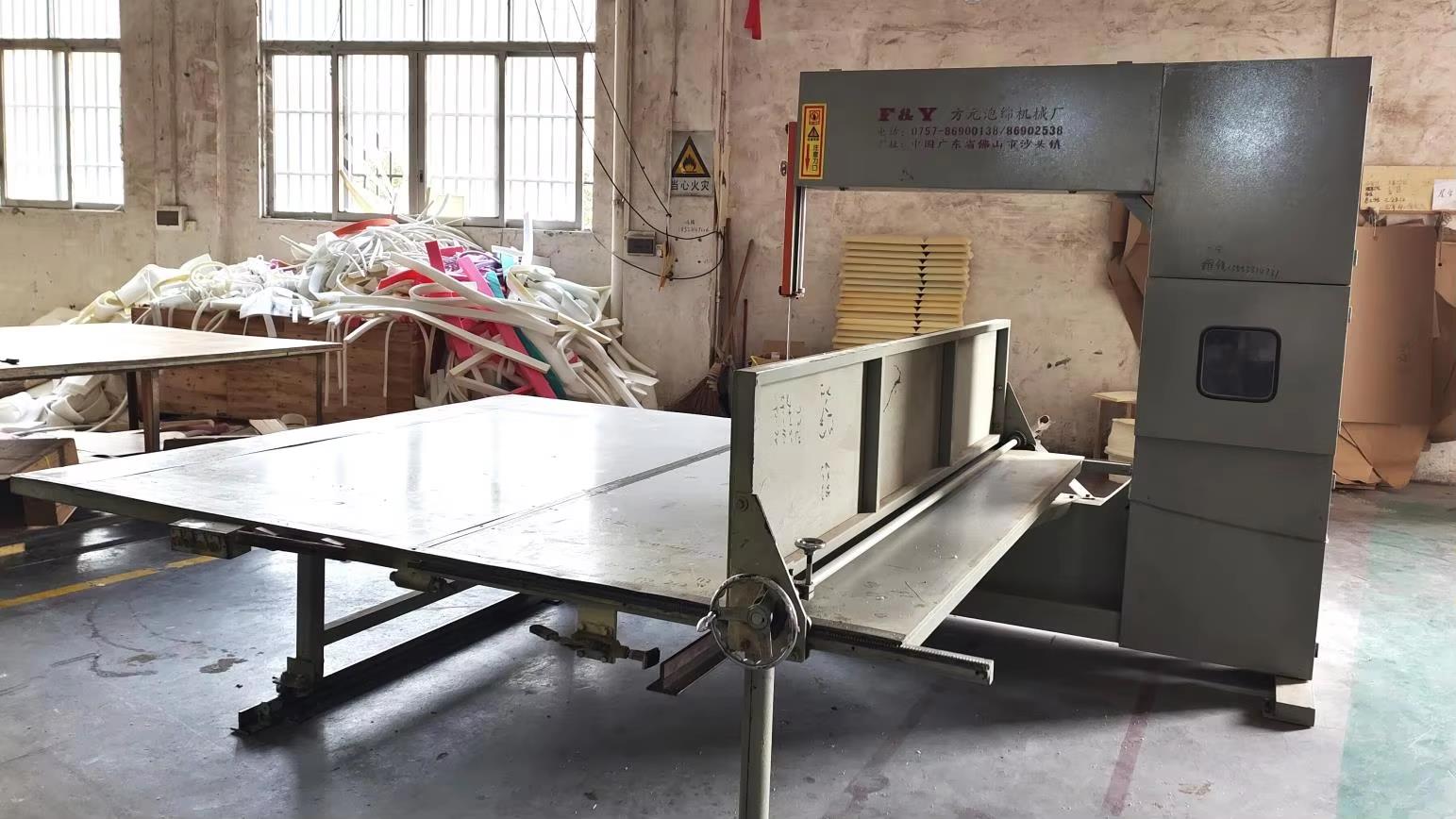
Sponge Cutting Machine
5. Localized Application Scenarios for High-Performance Shelving
How bathroom storage solutions are adapted to meet varying building regulations and design expectations in key global regions.
In major US and Canadian metropolitan hubs, residential layouts prioritize maximizing vertical space. Developers favor space-saving over-the-toilet storage, space-aluminum shower caddies, and multi-tier wire shelving. These choices help maximize functional square footage in smaller apartment floor plans.
Additionally, products must comply with ADA (Americans with Disabilities Act) regulations, requiring rounded safety corners and secure, load-bearing mounting hardware that holds up under consistent daily use.
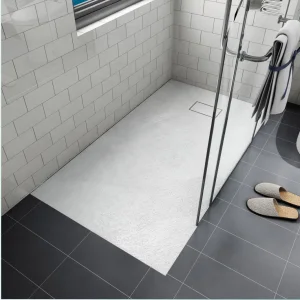
European design projects, particularly in countries like Germany, France, and the UK, often lean toward minimalist, integrated bathroom fixtures. Matte black, brushed brass, and polished chrome finishes are common choices. Materials like stone resin trays and waterproof tempered glass shelves align with these aesthetic preferences.
Because many European installations are retrofits in historic structures, manufacturers must supply versatile mounting systems that secure firmly to uneven masonry walls without damaging the underlying structure.
For high-end hotels and resorts in tropical and coastal locations, hardware is exposed to salt air and high ambient humidity. Under these conditions, standard alloys can corrode quickly.
Specifiers in these markets require grade SUS316 stainless steel or specialized composite materials with multi-layer anti-corrosion coatings. The preferred style is sleek, modern, and high-end, utilizing integrated LED-backlit glass shelves and recessed storage niches.
6. Technical Roadmap & Future Outlook (2025-2030)
The technological and ecological innovations shaping the future of bathroom furniture and organization hardware.
Transitioning away from standard solvent-based finishes, the next generation of bathroom furniture features natural wood composites bonded with soy-based resins and coated in water-based, VOC-free sealants. These advances help projects meet LEED v4 and BREEAM certification standards.
Integration of nano-silver ions and superhydrophobic coatings directly into metal and glass shelving surfaces. These coatings prevent water spots and inhibit bacterial growth, reducing maintenance times and chemical cleaner usage in high-traffic hotel guest bathrooms.
Development of smart shelving units featuring built-in inductive charging pads, integrated low-voltage LED vanity lighting, and weight-based occupancy sensors. These sensors can alert hospitality maintenance teams when standard guest amenities need restocking.
7. Localization Support & Compliance Guarantee
Ensuring your imported furniture and hardware products meet domestic building regulations, environmental standards, and quality certifications.
Environmental and Material Health Certifications
Working with global markets requires strict compliance with international environmental standards. Exported shelving and wood-based components must carry FSC (Forest Stewardship Council) certification, ensuring raw timber is sourced from responsibly managed forests. For engineered wood elements, compliance with CARB Phase II and EPA TSCA Title VI formaldehyde emission limits is required to ensure safe indoor air quality in modern, energy-efficient commercial buildings.
Structural Integrity & Load Testing Protocols
Commercial hardware must pass rigorous quality control testing before installation in public or commercial projects. This includes 24-hour neutral salt spray tests (ASTM B117) to verify corrosion resistance, as well as static load testing to ensure shelves can bear weight safely. Ensuring these standards are met prevents installation issues and helps guarantee long-term performance.
8. Frequently Asked Questions (FAQ)
Answers to common technical, material, and logistics questions from professional B2B buyers and structural engineers.
Complementary Architectural Furniture Solutions
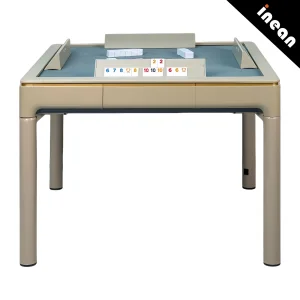
Explore additional furniture elements designed to meet strict commercial specifications for modern hotels, apartments, and recreational projects.