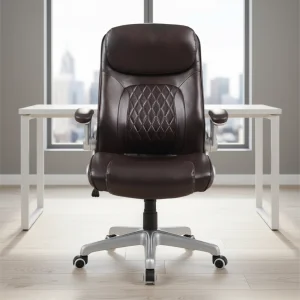
Bespoke Contract & Commercial Seating Solutions
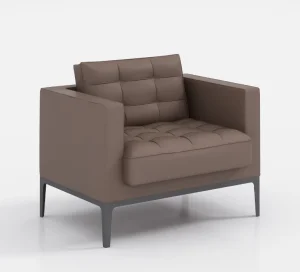
Single Seat Office Leather Sofa Commercial and Home Use Small Space Corner Sofa for Apartment and Office
Configure OEM Spec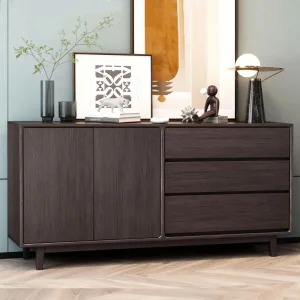
Modern Luxury Solid Wood Sideboard Cabinet Dining Room Living Room Home Furniture Storage with Shoe Rack Entryway Hallway
Configure OEM Spec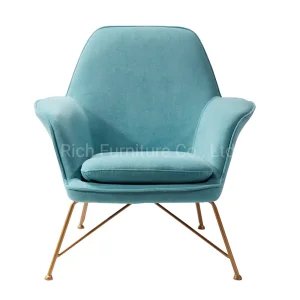
Cheap Luxury Decorative Living Room Furniture Armchair Velvet Leather Cover Metal Frame Accent Chair
Configure OEM Spec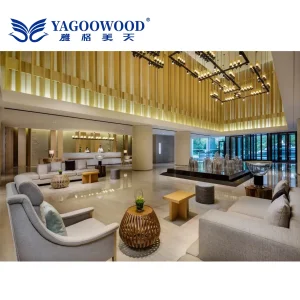
Eco-Friendly Hotel Furniture From Foshan Sustainable Factories
Configure OEM Spec
Pillow Covers 18X18 Chenille Pillow Covers Set of 2 Decorative for Couch Luxury Throw Cushion Covers for Bed Accent Pillows for Living Room Sofa
Configure OEM Spec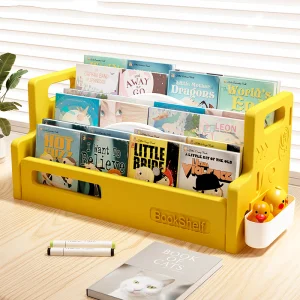
OEM Modern Kids Toy Storage Organizer Plastic Desk Bookshelf Cabinet Children Tabletop Bookcase School Bedroom Nursery Furniture
Configure OEM Spec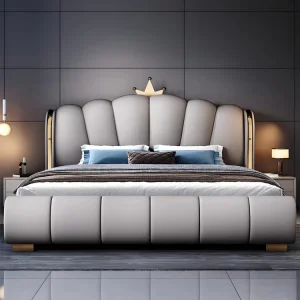
Luxury Soft Leather Double Bed Frame Modern Design Super-large Bed Frame Modern Style Luxury King Size Bedroom Furniture Set
Configure OEM Spec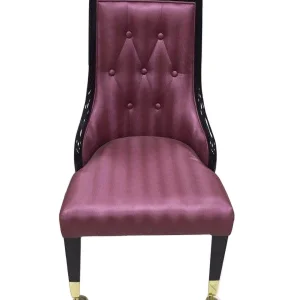
Hot Selling Casino Chair Leather Chair Game Room Bars Chair
Configure OEM Spec1. Macro Industry Solutions: The Shift in Commercial Dining Space Engineering
In the current global hospitality landscape, restaurant design has transcended basic aesthetic appeal to become a primary lever for operational profitability and spatial efficiency. Foodservice establishments, from premium fine dining venues to high-throughput fast-casual franchises, face a critical challenge: maximizing cover capacity without degrading the customer experience.
Modern restaurant furniture serves as structural architecture within the dining room. Engineering dynamic floor plans demands furniture that is modular, highly durable, and ergonomically balanced. High-density urban spaces call for seating units capable of adapting to varying party sizes on demand. For instance, the integration of custom-configured banquettes and wall benches allows restaurants to optimize underutilized perimeter spaces, increasing seating density by up to 22% compared to standard loose configurations.
Furthermore, acoustic comfort is increasingly recognized as a key component of customer retention. The intentional selection of materials—such as high-resiliency foam cores wrapped in sound-absorbing fabrics and dense solid-wood frames—contributes significantly to controlling reverberation times in open-ceiling, industrial-style modern dining rooms. By leveraging contract-grade materials built for acoustic control, operators can construct an intimate auditory microclimate at each table, even within bustling, high-volume dining environments.
2. Global Commercial & Industrial Status: Supply Chain Resilience & Innovation Hubs
The commercial furniture industry has shifted from regional batch production to centralized, high-efficiency manufacturing corridors. The Foshan region of China has solidified its position as the global capital of high-performance contract furniture manufacturing, supported by dense supply chains, specialized metallurgy, premium timber imports, and advanced CAD/CNC manufacturing infrastructure.
Procuring global commercial furniture requires navigation of raw material volatility, environmental compliance, and maritime logistics. As shipping corridors experience fluctuations in cost and transit times, global hospitality developers require partners who offer more than manufacturing. True vertical integration—where material sourcing, precision CAD modeling, chemical testing, structural fabrication, and logistics orchestration happen under a unified QC protocol—is the key to eliminating project delays.
To address global requirements, modern exporters maintain strategic reserves of kiln-dried timbers (such as American White Oak, Walnut, and European Beech) and premium structural metals. This strategy protects projects from supply interruptions and ensures that contract-grade pieces maintain structural integrity in diverse destination climates, from the dry environments of the Middle East to the high-humidity coastal zones of Northern Europe.
3. About Foshan GranTree Furniture Co., Ltd.
With over 20 years of experience in the contract furniture industry, Foshan GranTree Furniture Co., Ltd. is a premier manufacturing partner for hospitality brands, corporate enterprises, global distributors, and institutional buyers. We provide a vertically integrated, full-chain supply solution that controls every phase of the product lifecycle.
Advanced R&D and Design
Our design engineers translate conceptual renders and architect briefs into manufacturable CAD drawings, ensuring that aesthetics align with structural stability and regulatory safety standards.
Sustainable Sourcing
We procure timbers from certified sustainable forests, lead-free metals, high-density polyurethane foams, and heavy-duty performance fabrics that resist stains, water, and abrasion.
Scale Manufacturing
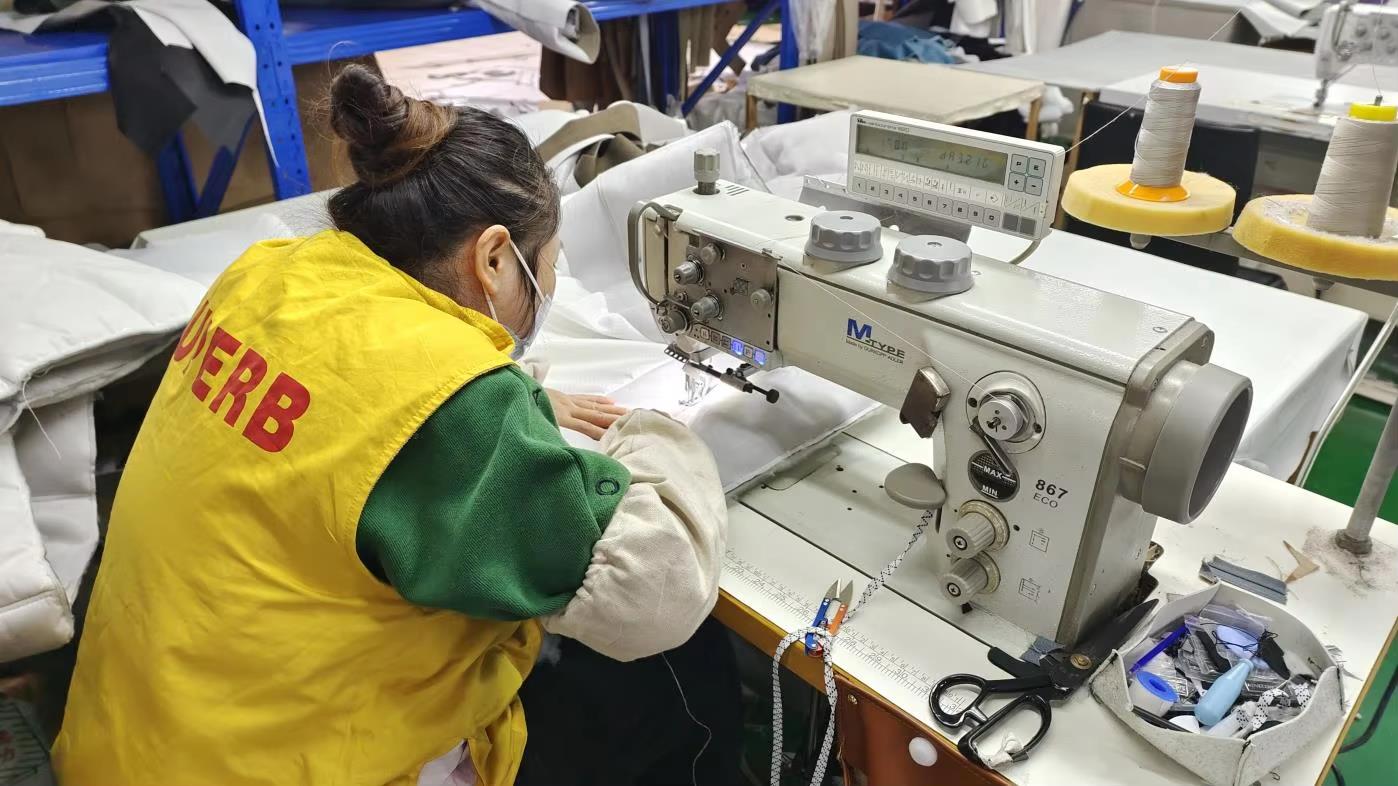
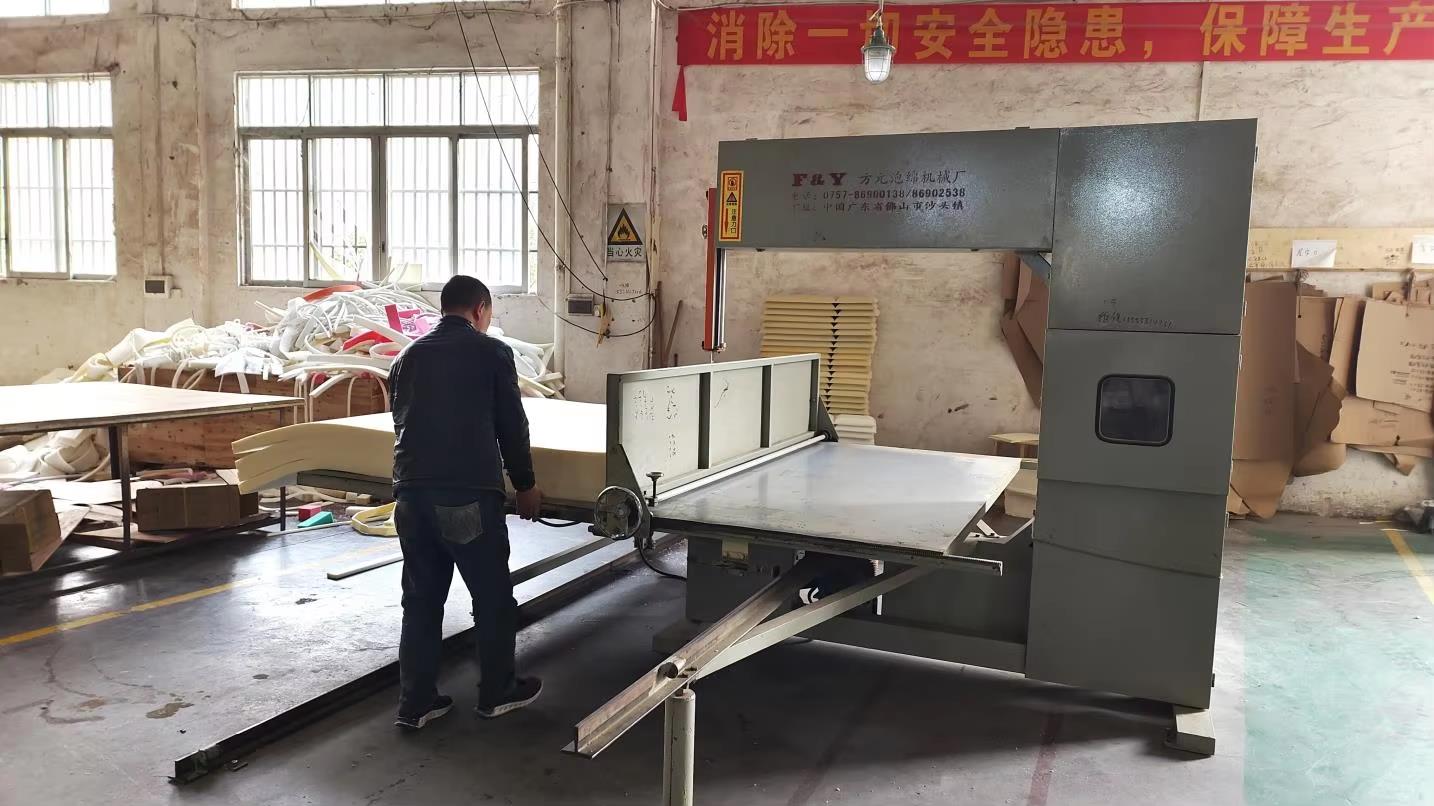
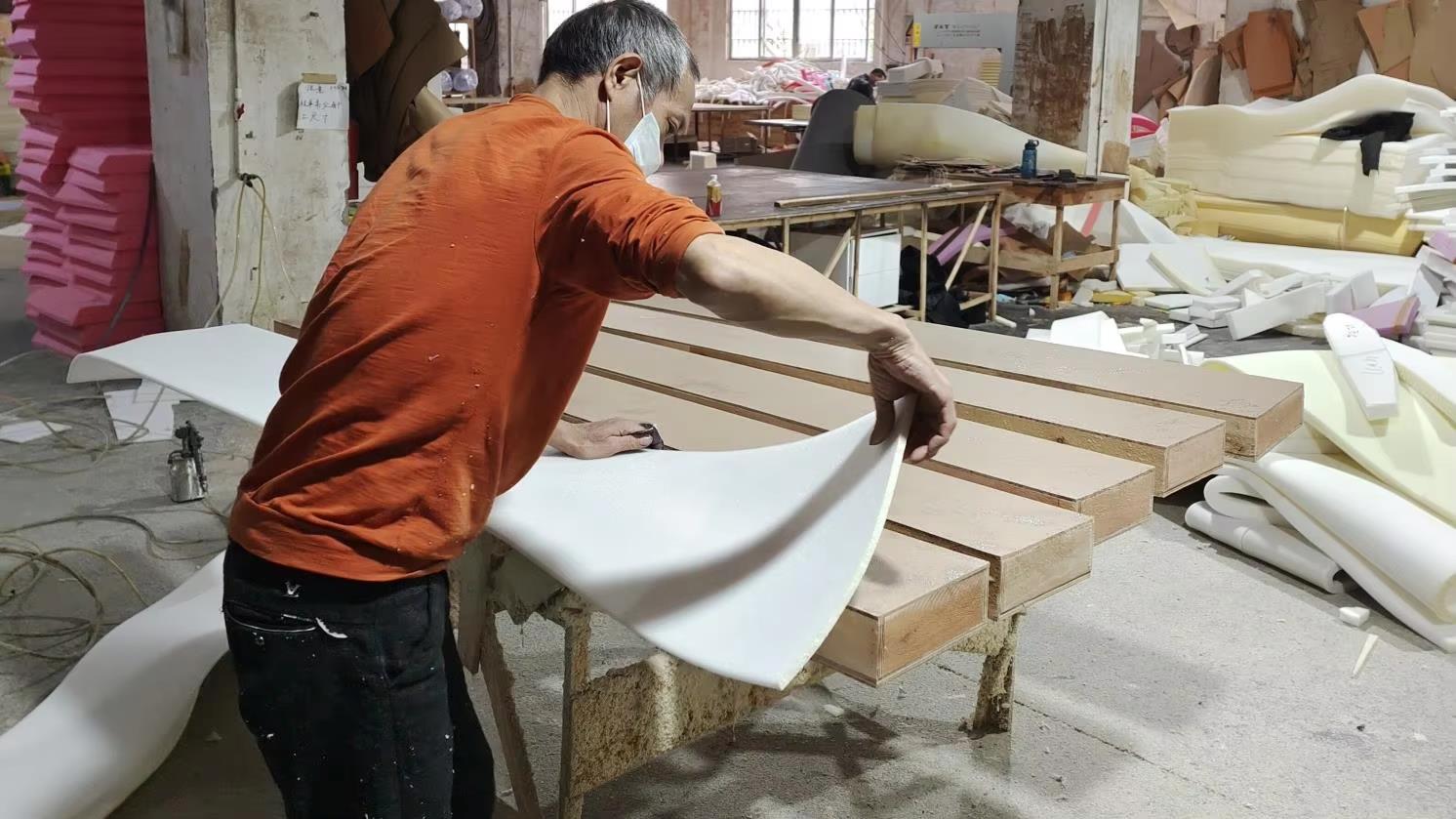
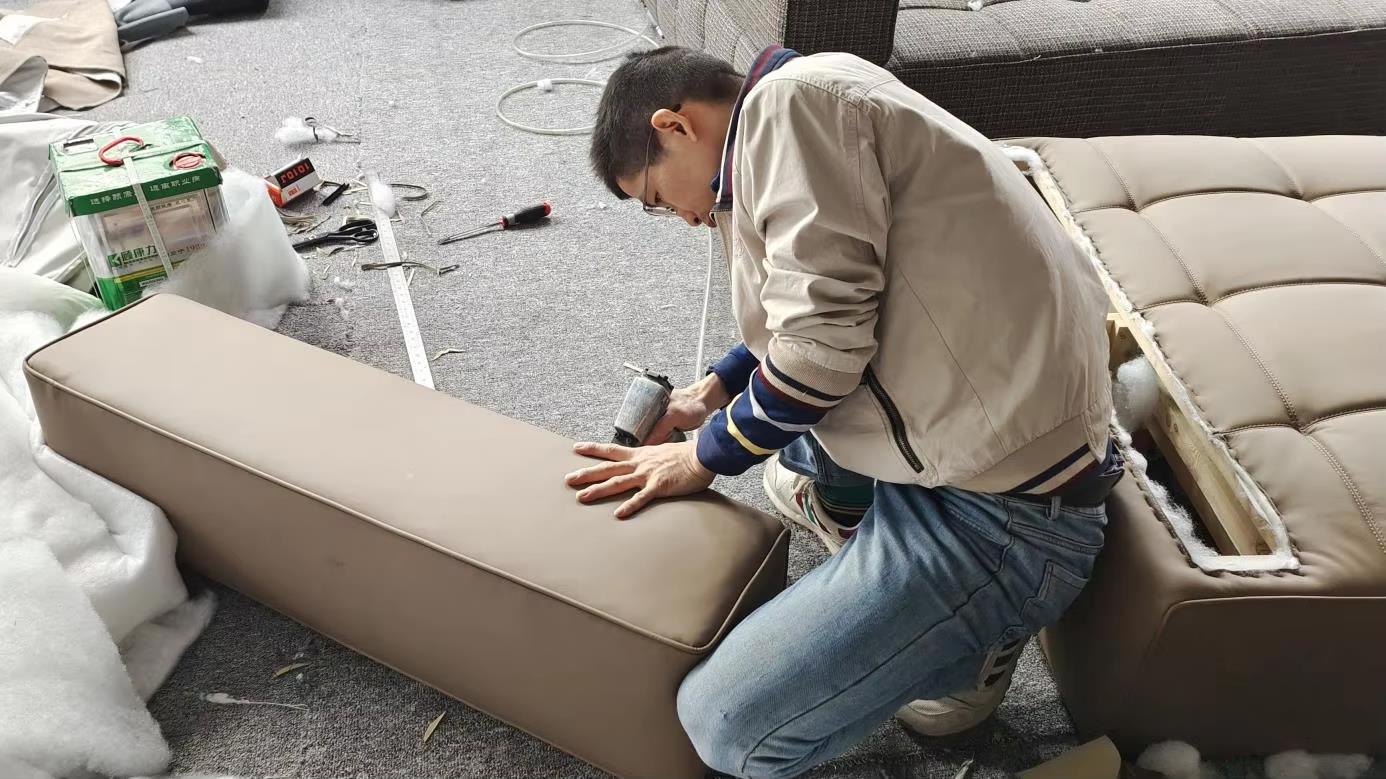
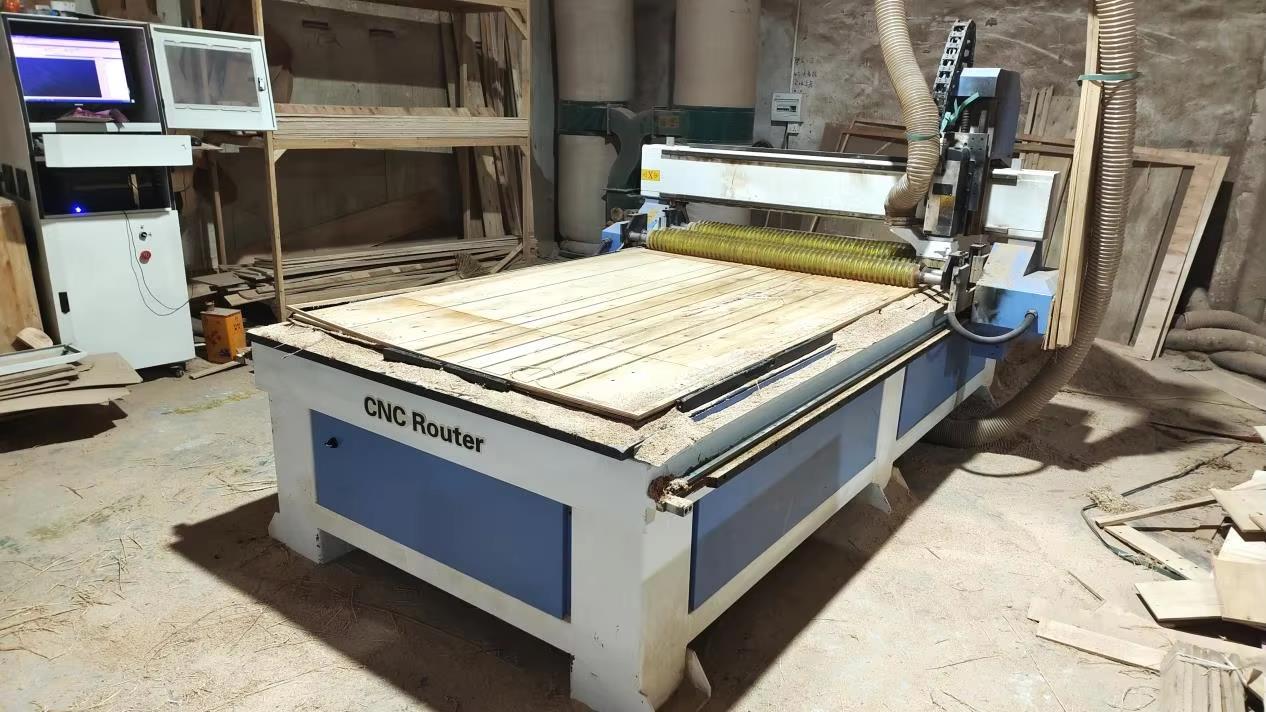
Spanning a 163,000 m² modern production facility, our factory scales production through CNC-controlled machinery, automated woodworking, and specialized assembly lines.
GranTree's 163,000 m² state-of-the-art production facility in Foshan, China.
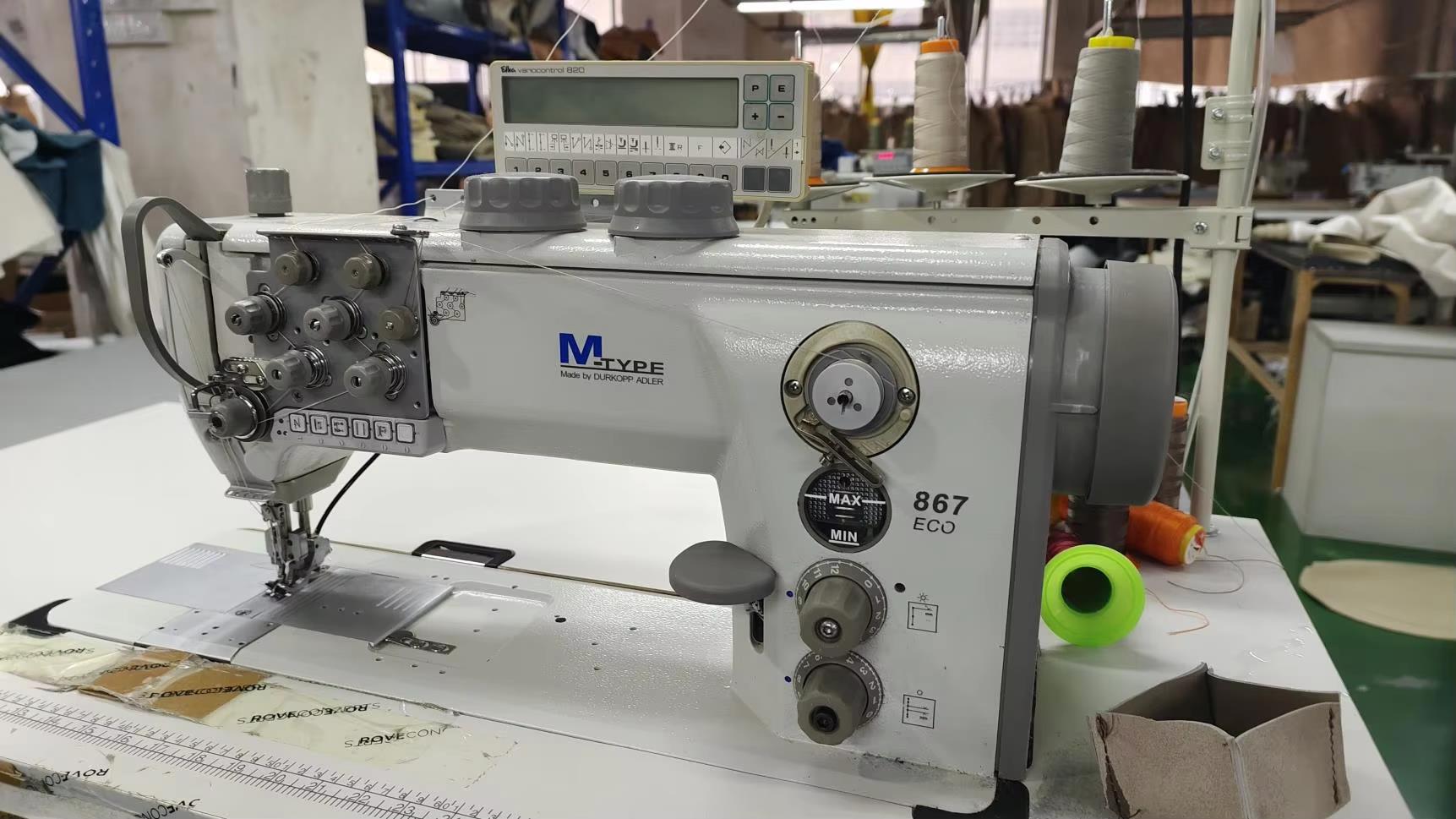
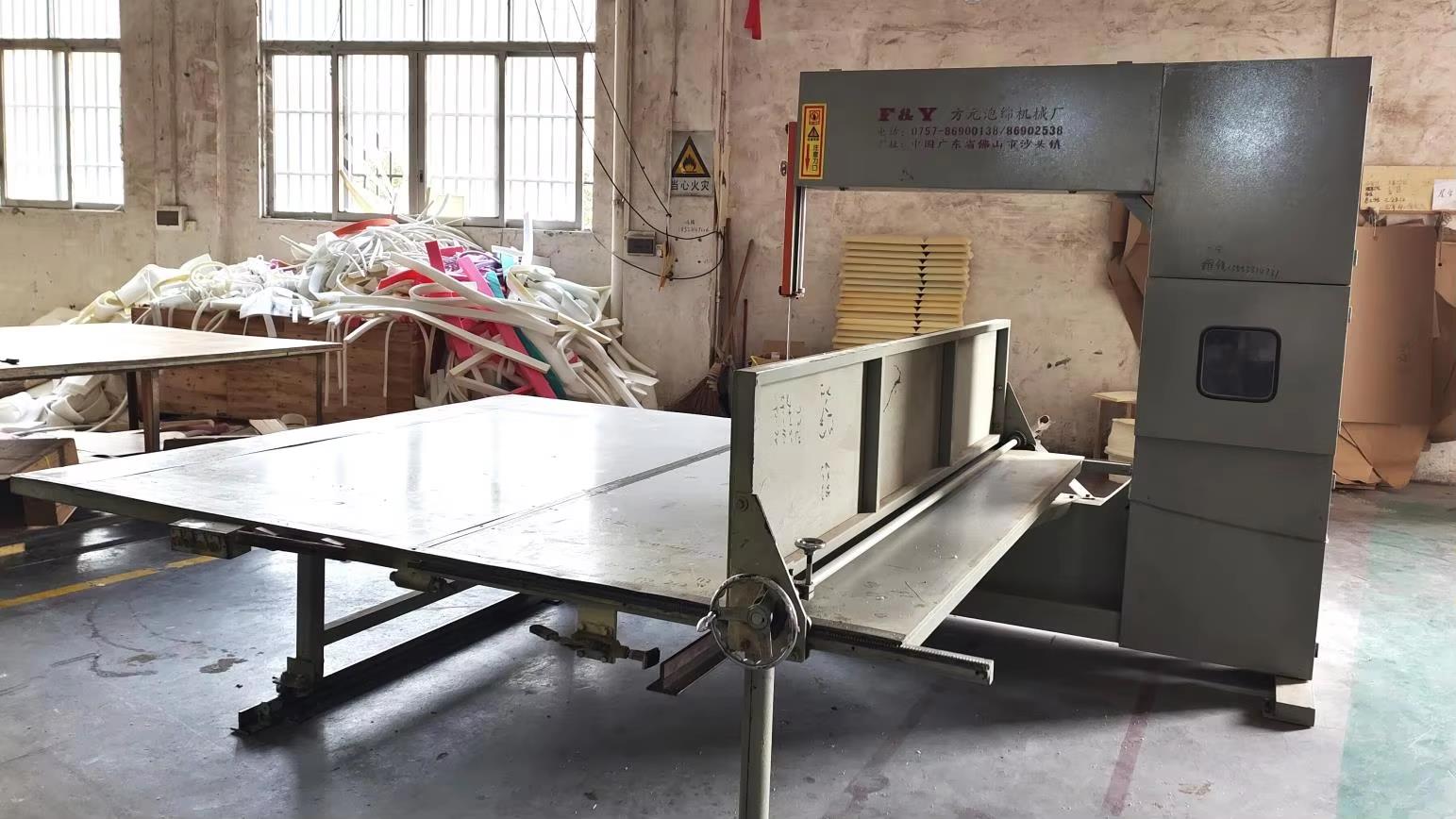
4. Inside the Facility: Technical Production Process & Precision Machinery
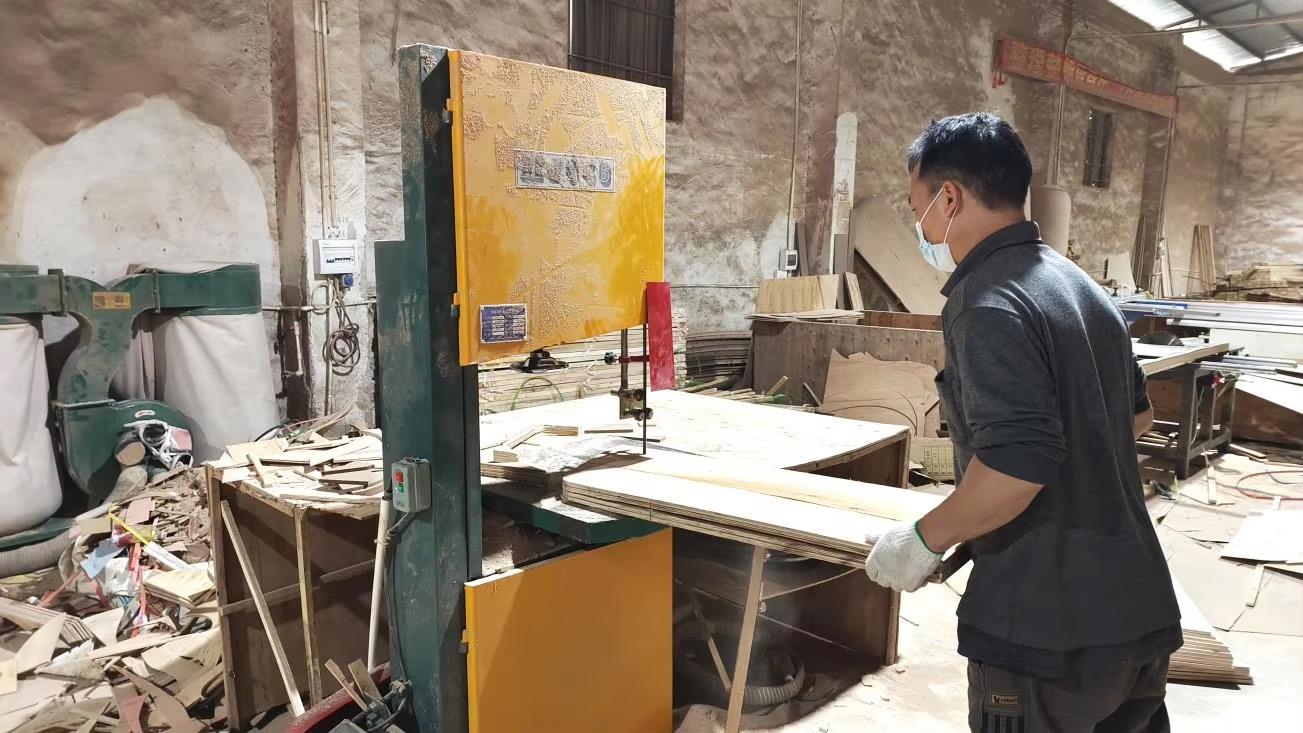
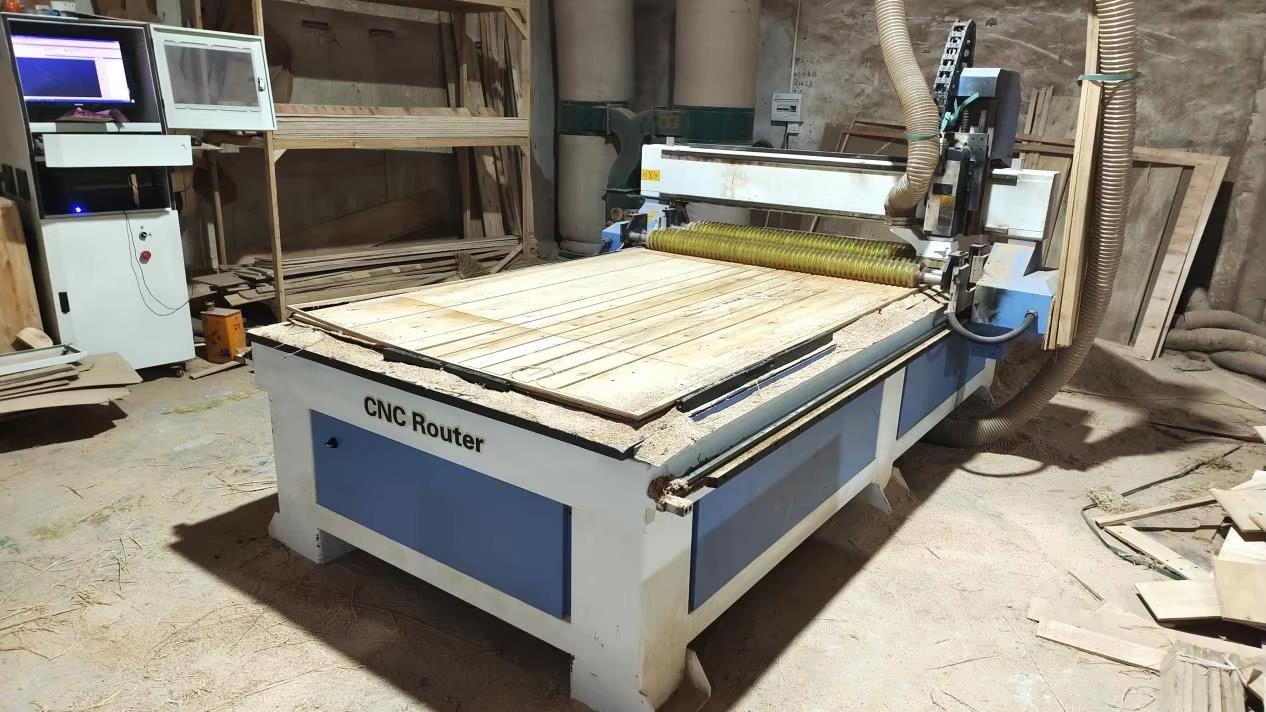
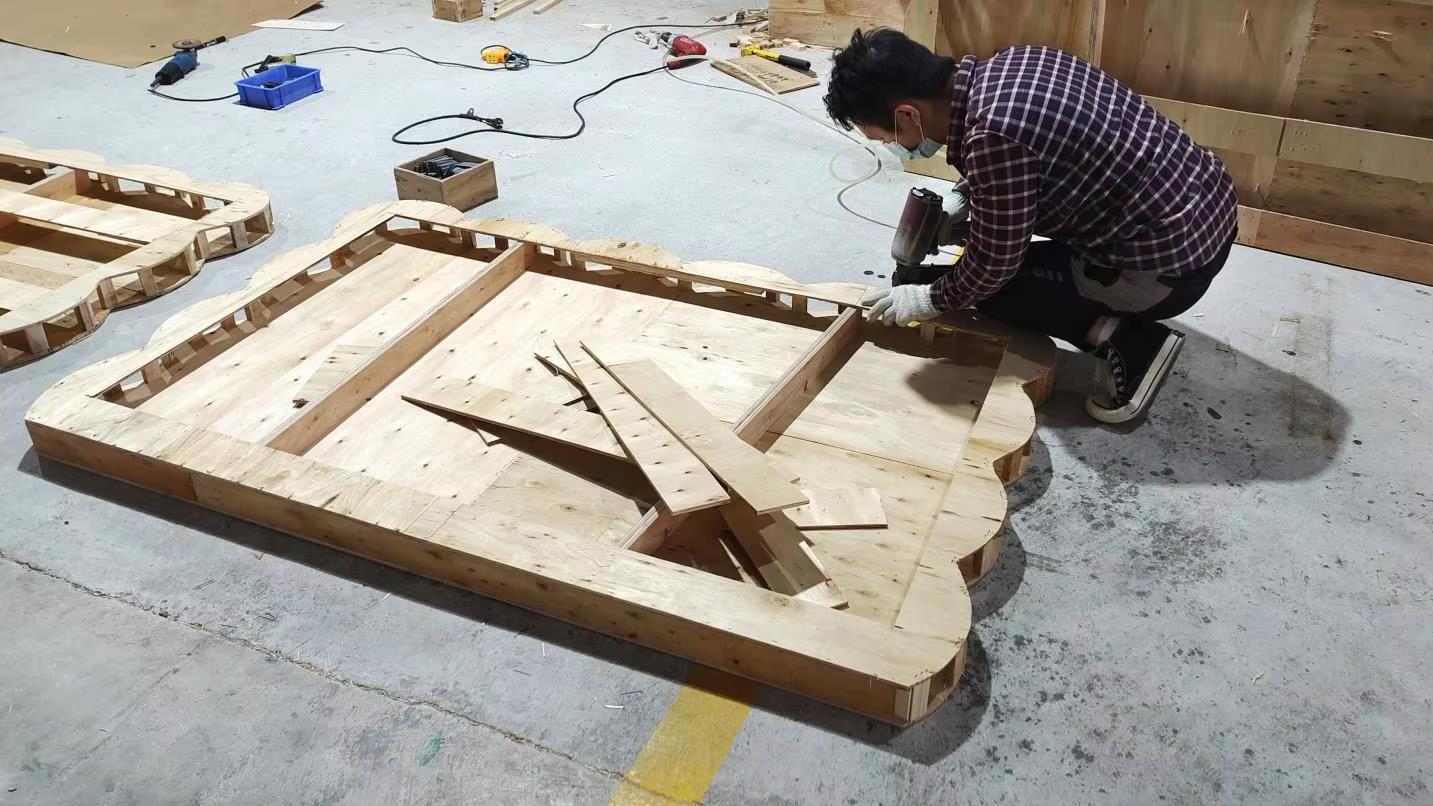
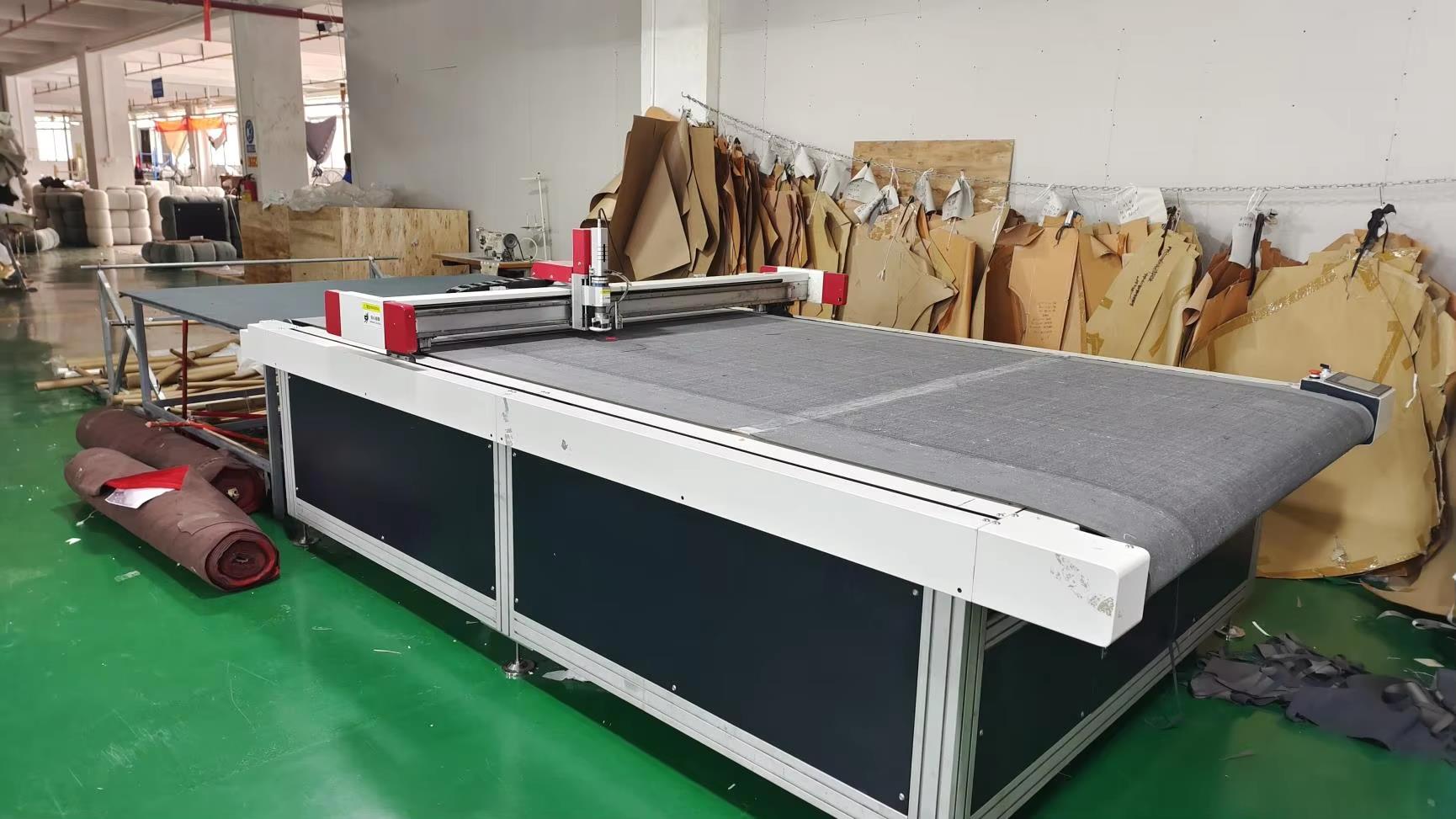
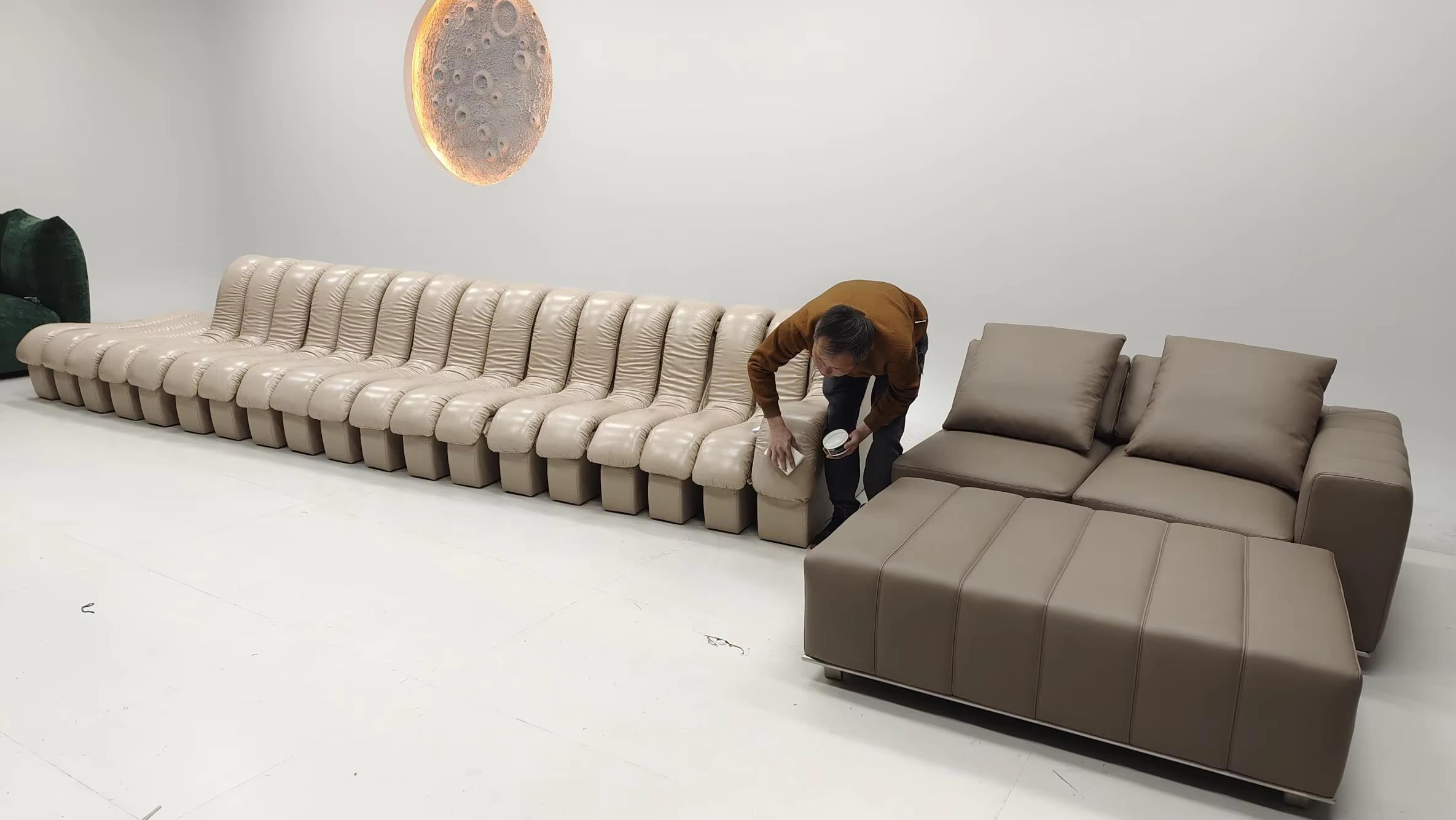
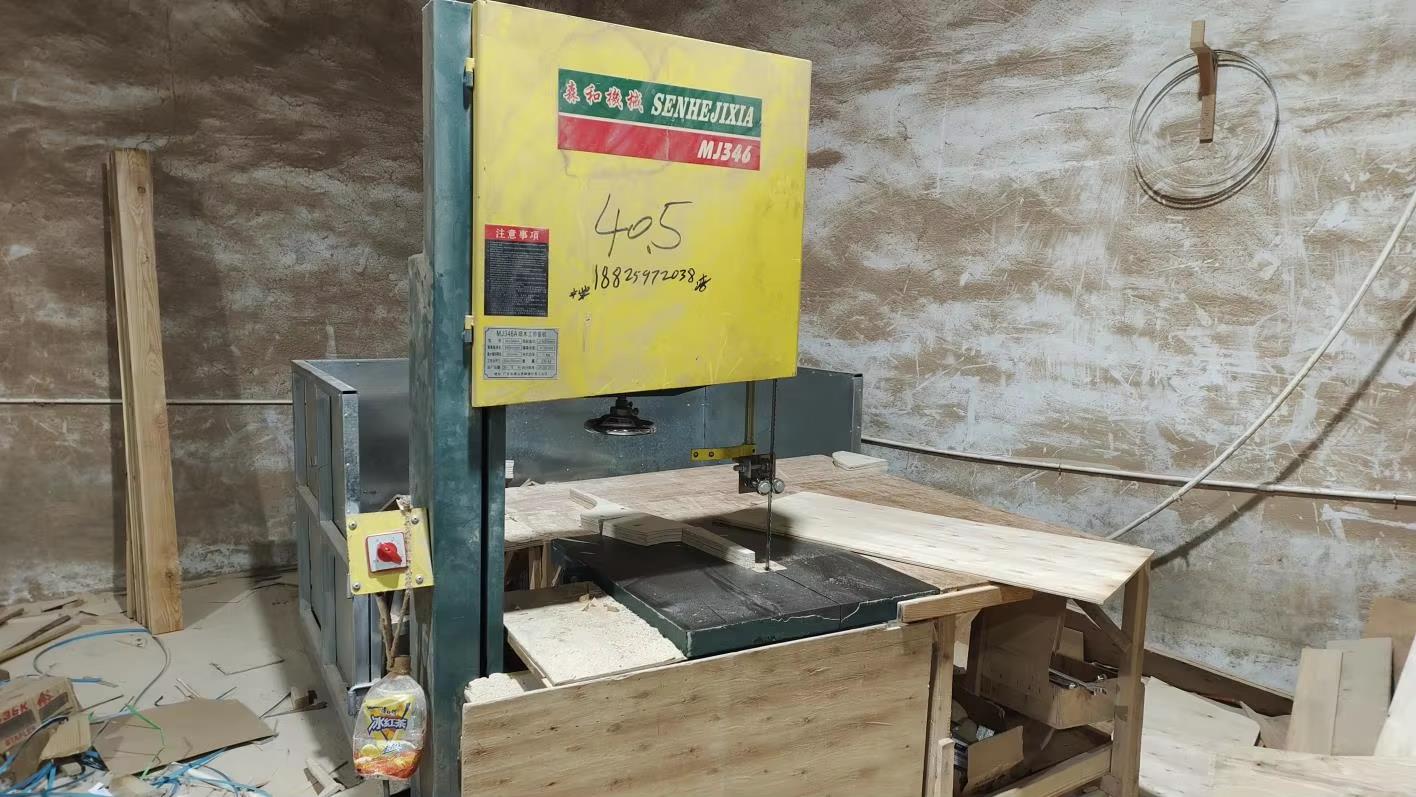
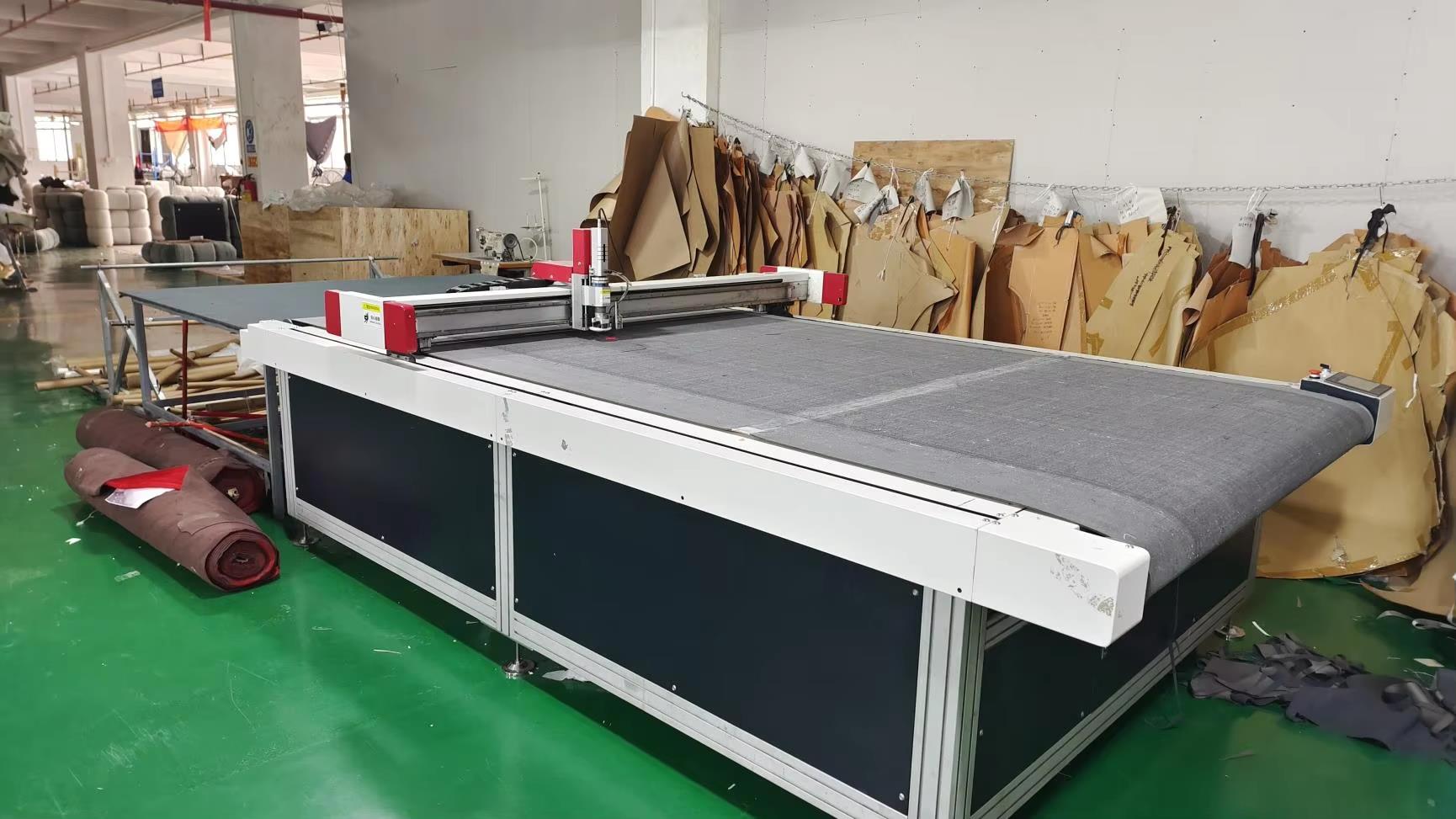
Quality is designed into the product, and consistency is built through machinery. Our vertically integrated production workflow utilizes advanced automation at every stage to ensure repeatability and minimize dimensional variances.
5. Localization Support & Compliance: Fire Ratings and Structural Testing
Procuring furniture for commercial public spaces requires strict adherence to regional fire-safety codes and structural safety standards. Products must be compliant with local regulations to prevent costly delays at customs or building inspections.
Flame Retardant Codes
We customize upholstery formulations to pass CAL 117-2013 (USA), BS 5852 Crib 5 (UK), and EN 1021 (Europe) certifications.
Structural Integrity (BIFMA/EN)
Seating elements undergo cyclic load testing under ANSI/BIFMA X5.1 & X5.4 and European EN 16139 Level 2 (Heavy Commercial Use).
Eco-Label Certifications
We offer FSC-certified timbers and low-VOC finishes to support your project's LEED and WELL sustainability rating targets.
6. Localized Application Scenarios: Tailored Spatial Layouts
Every food & beverage space has unique structural and operational requirements. Successful layouts balance ergonomic considerations with aesthetic impact.
Fine Dining & Premium Lounges
Fine dining venues rely on materials that convey quality, such as solid wood sideboards and high-back leather chairs. Comfort is a priority to encourage longer dwell times and higher average table spend.
Fast-Casual & QSR
Quick-Service Restaurants require wear-resistant materials. Metal frames, laminate surfaces, and high-resiliency foam cushions are chosen to withstand high daily turnover and simplified sanitization cycles.
Boutique Cafes & Coworking Diners
Cafes require flexible, compact configurations. Combining power-integrated bar tables with compact nesting furniture supports modern customers who use dining venues for work and study.
7. Technical Roadmap & Future Outlook: Smart & Modular Systems
The restaurant furniture industry is evolving toward integrated technology, circular manufacturing, and modular systems.
Future contract furniture will incorporate power connections directly into structural components. We are actively developing tables with surface-integrated wireless charging arrays that draw power through table bases, keeping dining spaces clean and free of visible cables.
Sustainability is shifting from recycled content to full product lifecycle management. Our R&D team is engineering modular replacement systems, allowing operators to swap out worn panels, armrests, or seat cushions without replacing the entire structural frame. This approach reduces overall cost of ownership and helps brands meet their environmental targets.
OEM/ODM Procurement Q&A (FAQ)
Space-Saving & High-Durability Dining Elements
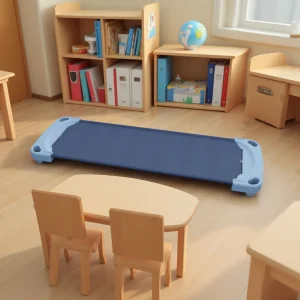
Portable Foldable Toddler Cot | Durable, Lightweight Sleeping Bed for Daycare, Preschool & Nap Time
Configure OEM Spec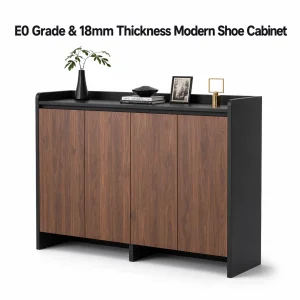
Modern Walnut-Colored Shoe Cabinet Entryway Four-Door Storage Rack with Open Bottom Shelf, Hallway Side Table
Configure OEM Spec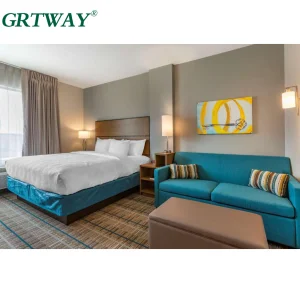
GRT6271 Hotel Furniture for MainStay Suites Space Saving Furniture for Hotel Room Small Apartment Furniture
Configure OEM Spec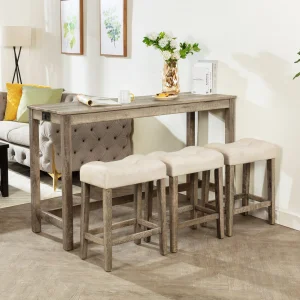
4-Piece Brown Bar Table Set with Power Outlet Dining Table and 3 Padded Stools for Living Room Game Room Use
Configure OEM Spec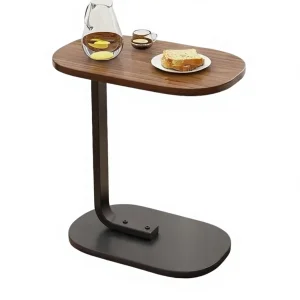
Modern Minimalist Multifunctional Sofa Side Table Cabinet Light Luxury Movable Small Tea Table Mobile Bedside Home Furniture
Configure OEM Spec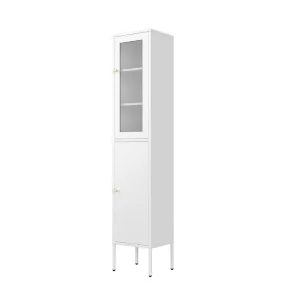
Space-saving Arched Glass Metal Bookcase with Solid Bottom Door for Small Apartments
Configure OEM Spec
Eco-Friendly Whole-House Furniture for Sustainable Decoration Styles
Configure OEM Spec