
The New Era of Minimalist Spatial Architecture
An In-Depth Whitepaper on Structural Compliance, Market Trends, and Supply Chain Integration
1. Global Trends in Minimalist Commercial Interiors
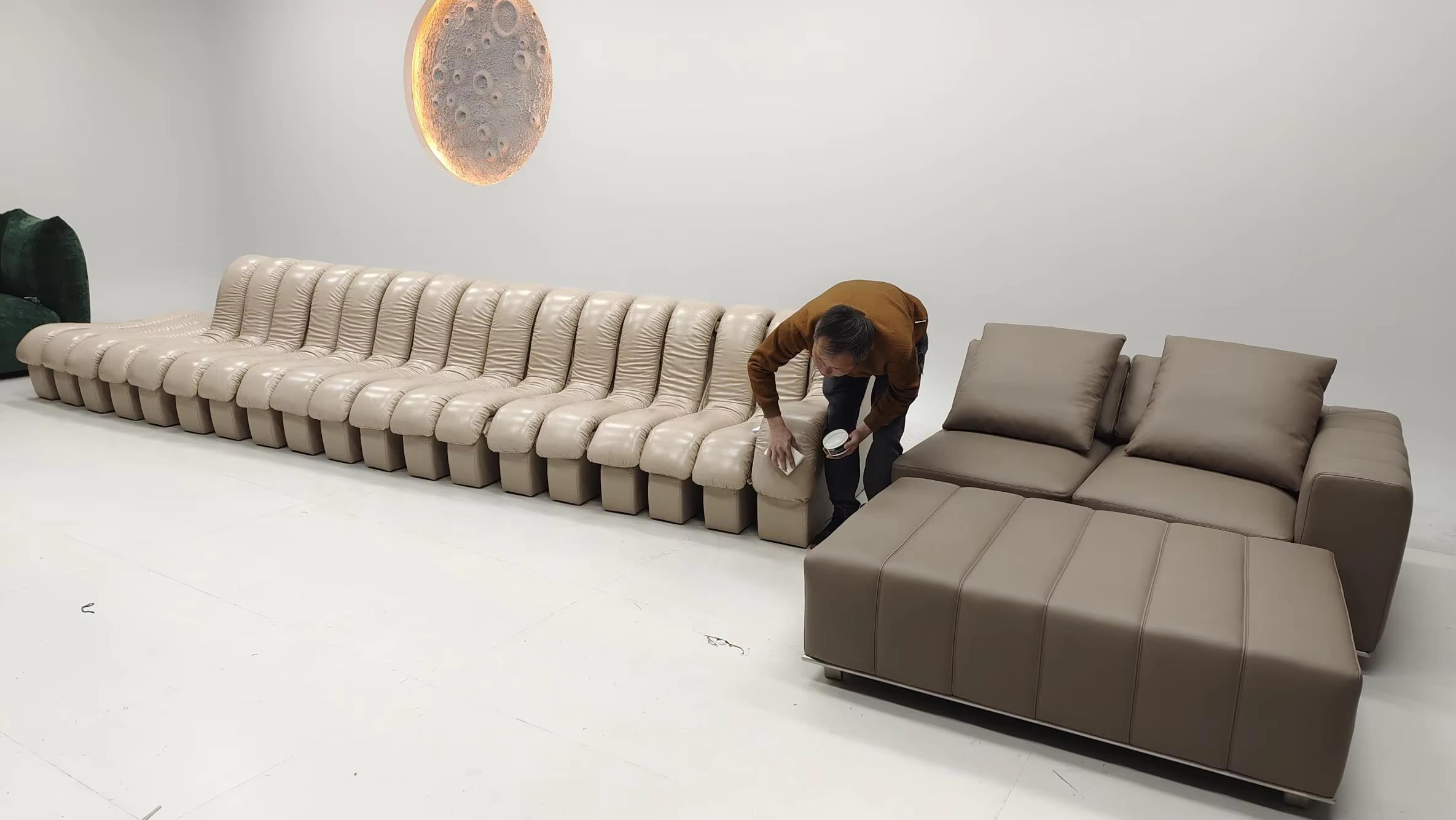
Modern contract environments increasingly focus on spacious, functional design. High-density urban centers require multi-functional layouts that combine workspaces and residential units. Modern design priorities have shifted away from heavy ornamentation, moving instead toward minimalist principles that emphasize clean profiles, hidden storage, and durable materials.
By centering designs on structural clarity, modern furniture acts as a functional architectural element. This shift is driven by the growing integration of technology into furniture, such as integrated charging docks, subtle LED routing, and acoustic insulation. Consequently, minimalist design is no longer just a aesthetic choice; it serves as a method for optimizing high-cost interior space.
2. Mitigating Procurement Risks through Verified CE Directives
Importers navigating the European Economic Area (EEA) face strict compliance standards regarding structural stability, flame resistance, and chemical emissions. Non-compliant furniture can lead to customs delays, financial penalties, and potential product liability issues in commercial settings.
Choosing a certified exporter is essential for smooth supply chain operations. A verified CE declaration indicates that products have undergone testing for structural fatigue, joint strength, and material safety. GranTree maintains compliance documentation, material traceability certificates, and testing protocols, ensuring that products are ready to meet the regulatory requirements of high-end commercial projects.
3. Foshan's Strategic Advantage in Furniture Production
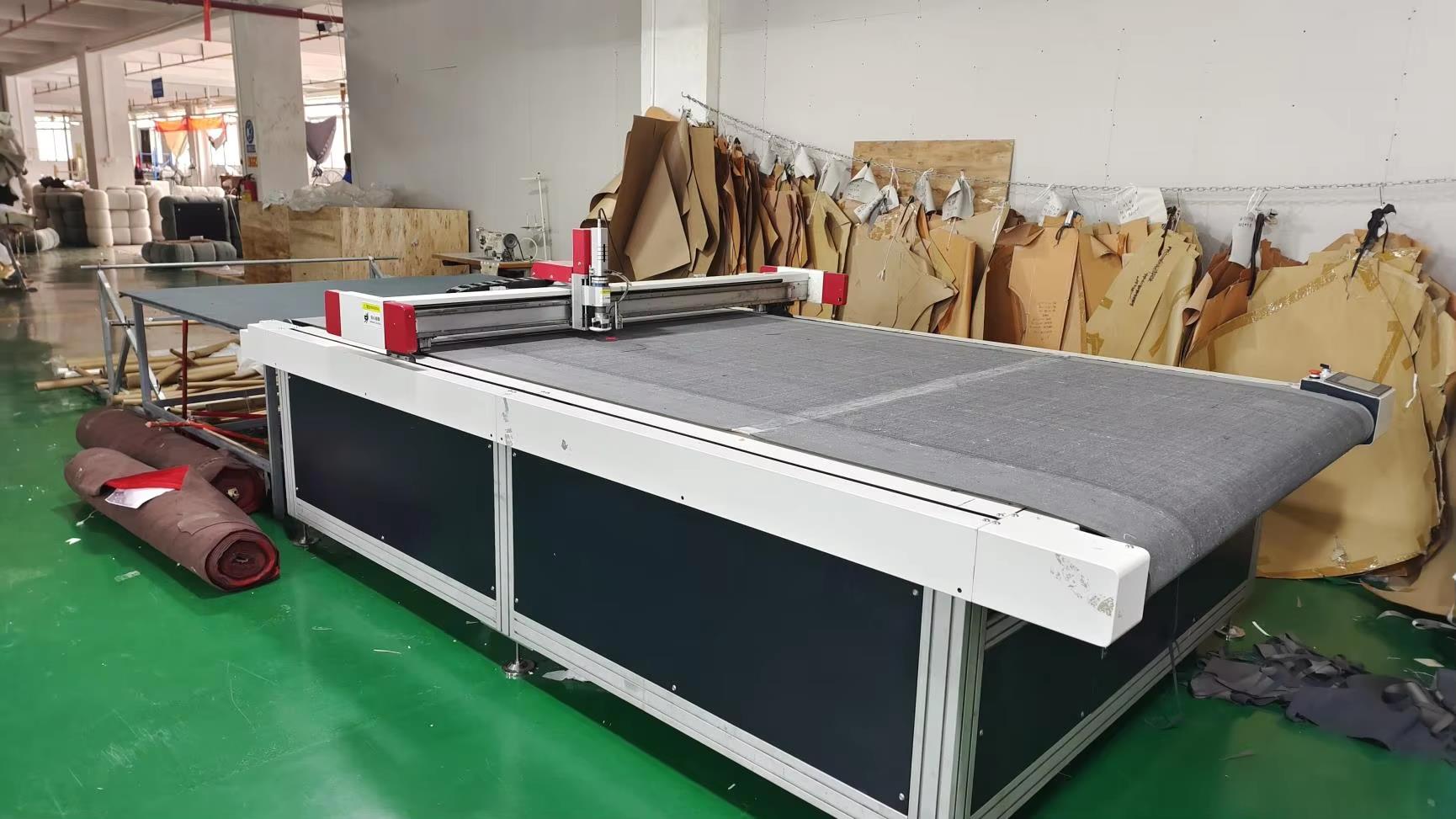
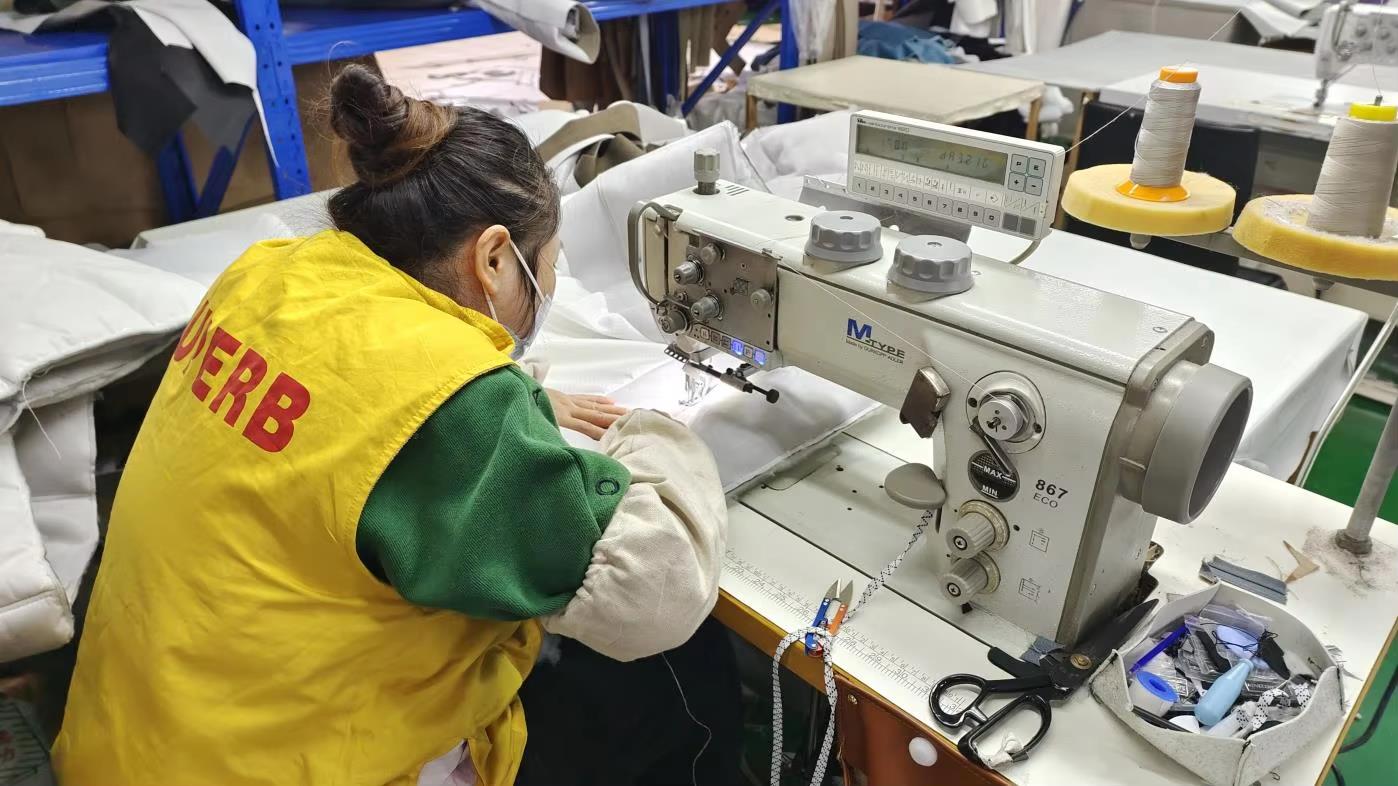
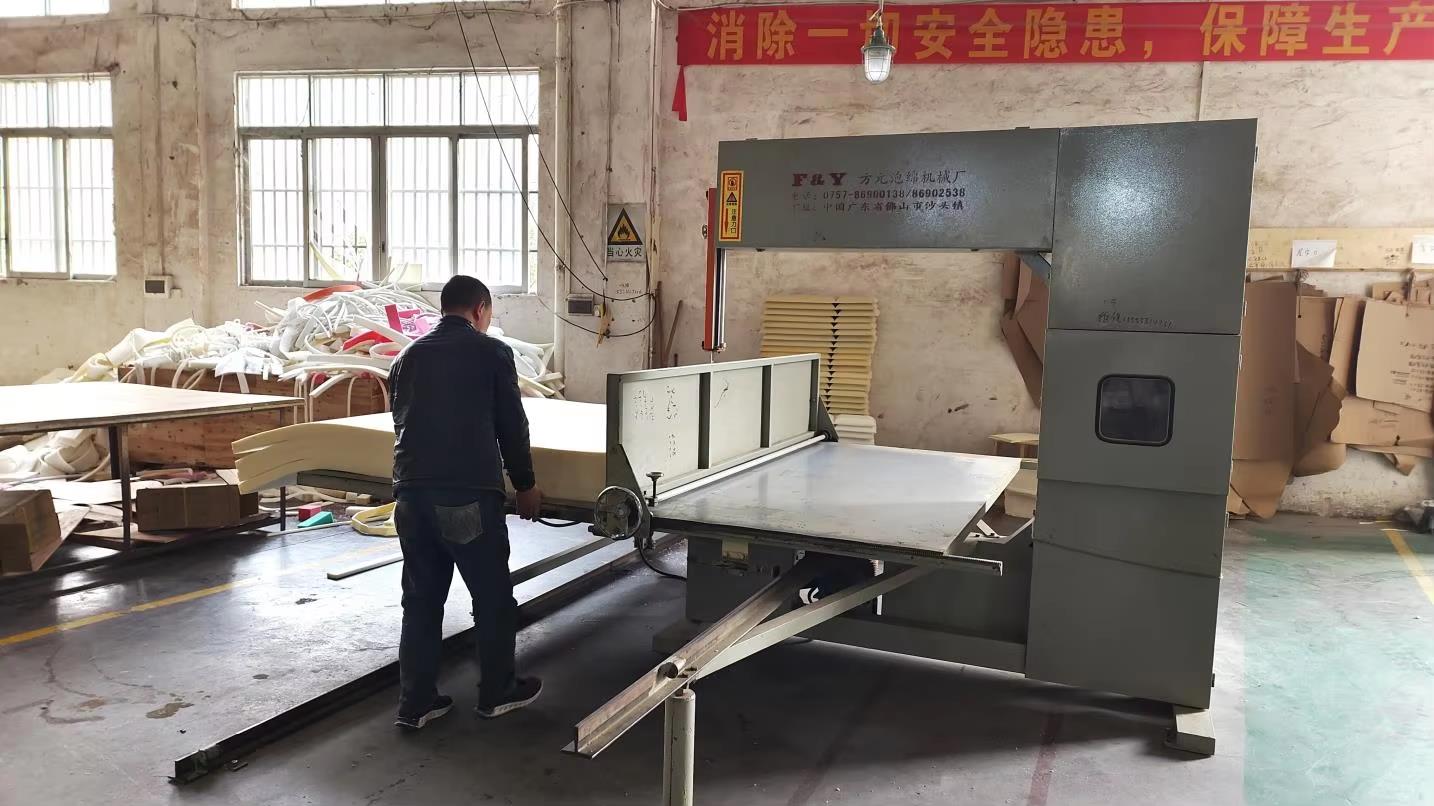
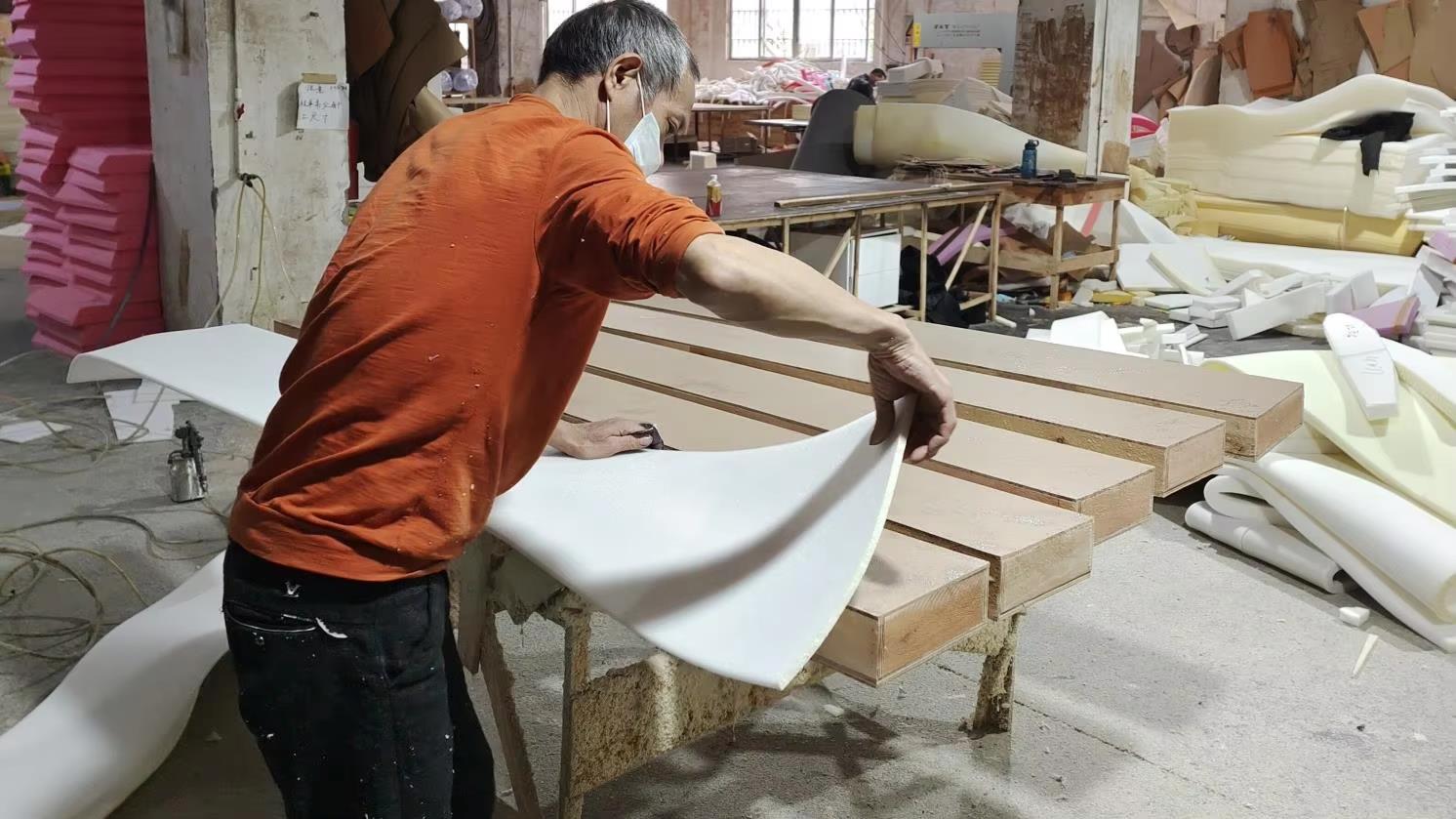
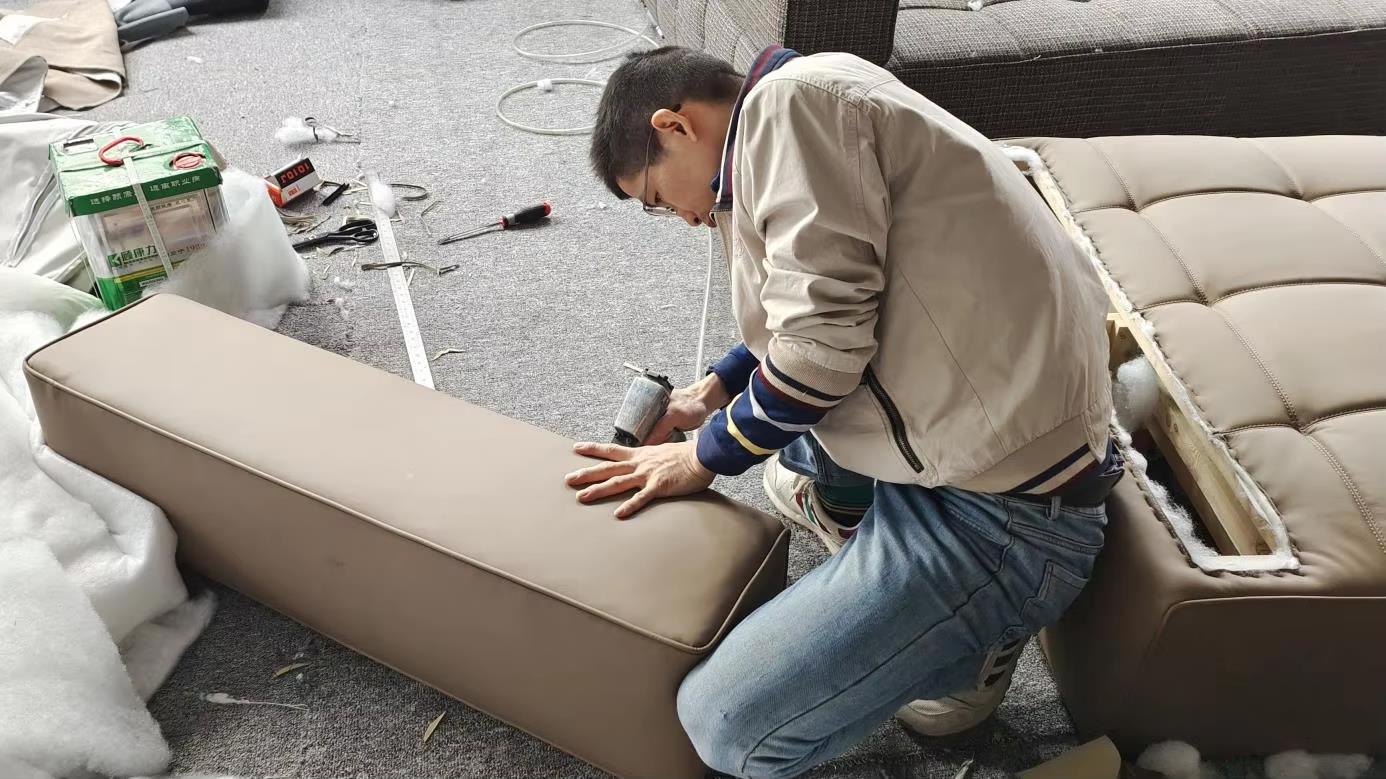
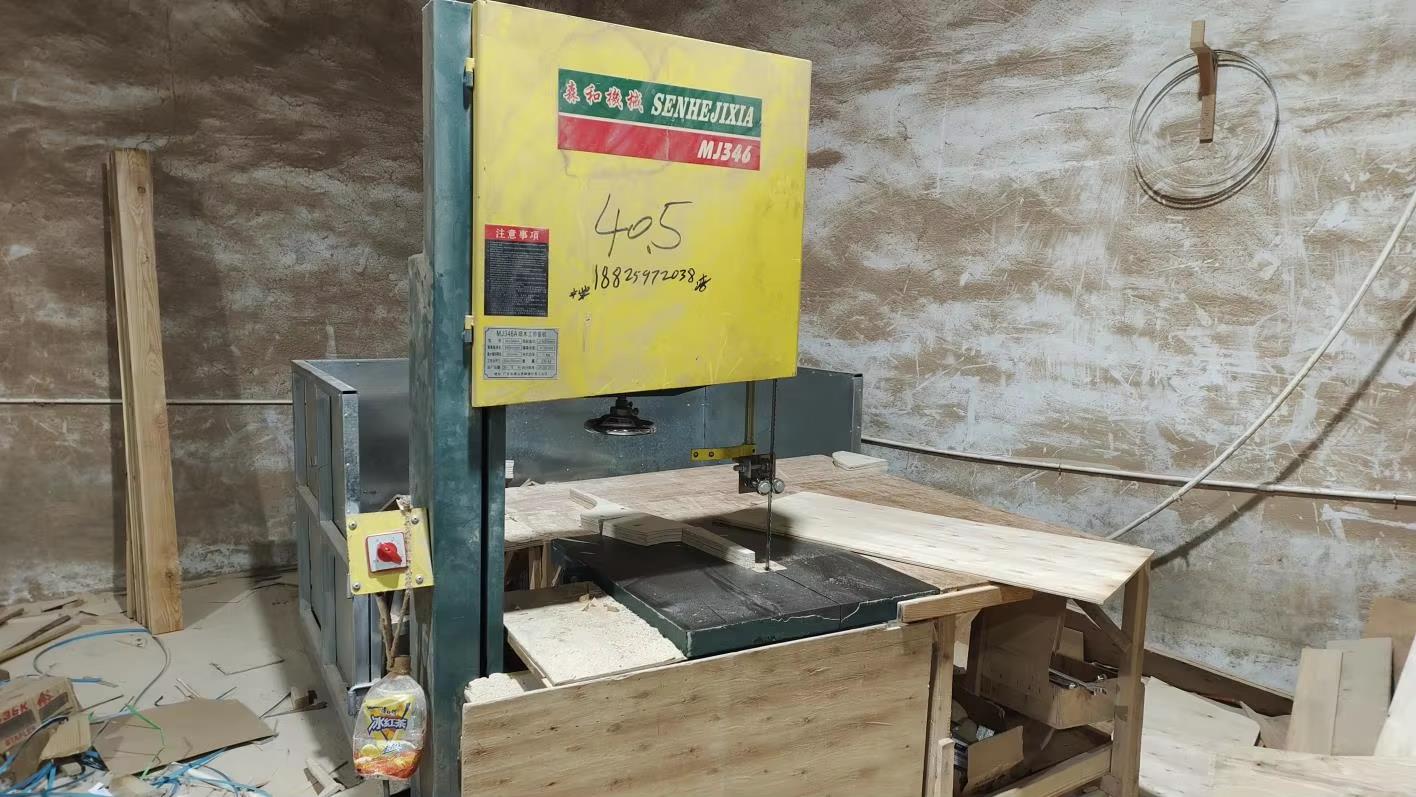
Foshan's Shunde region offers a unique combination of high-capacity production facilities and accessible raw material sourcing. Within this manufacturing hub, we access specialized steel mills, eco-certified wood suppliers, high-resilience foam manufacturers, and packaging specialists within short transit times.
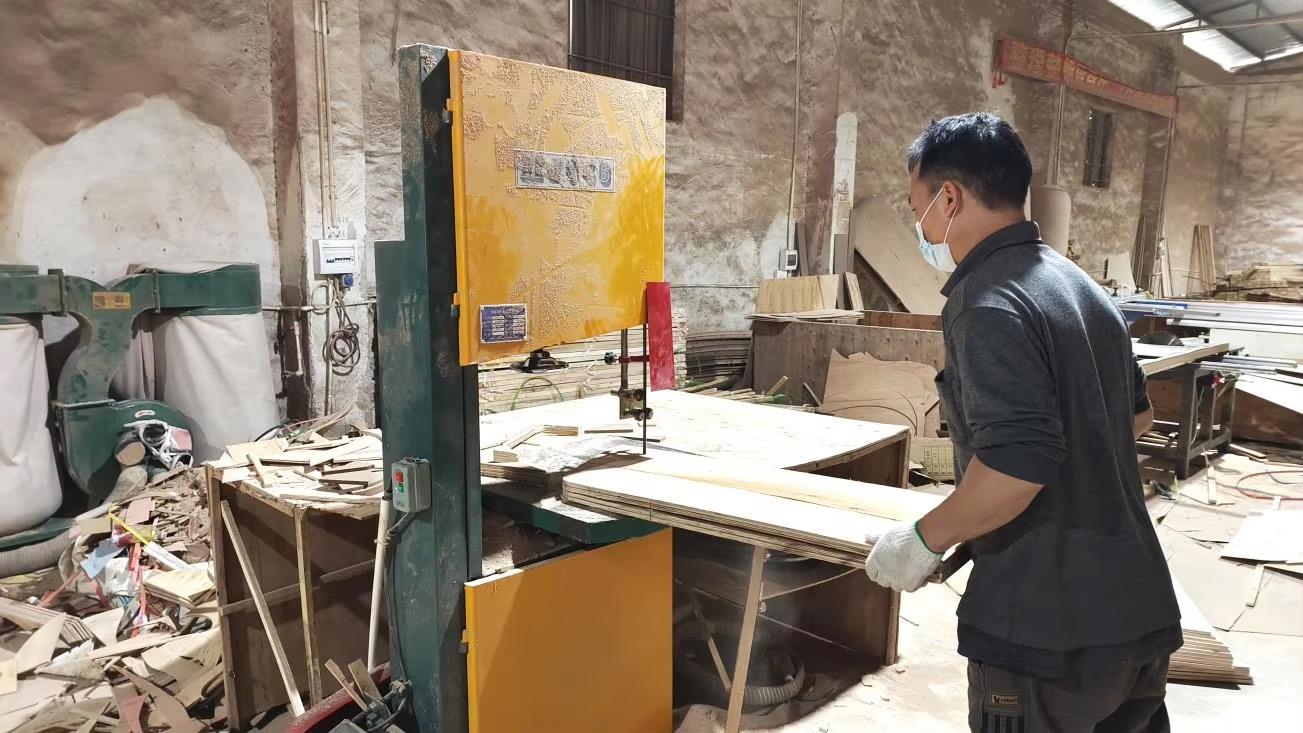
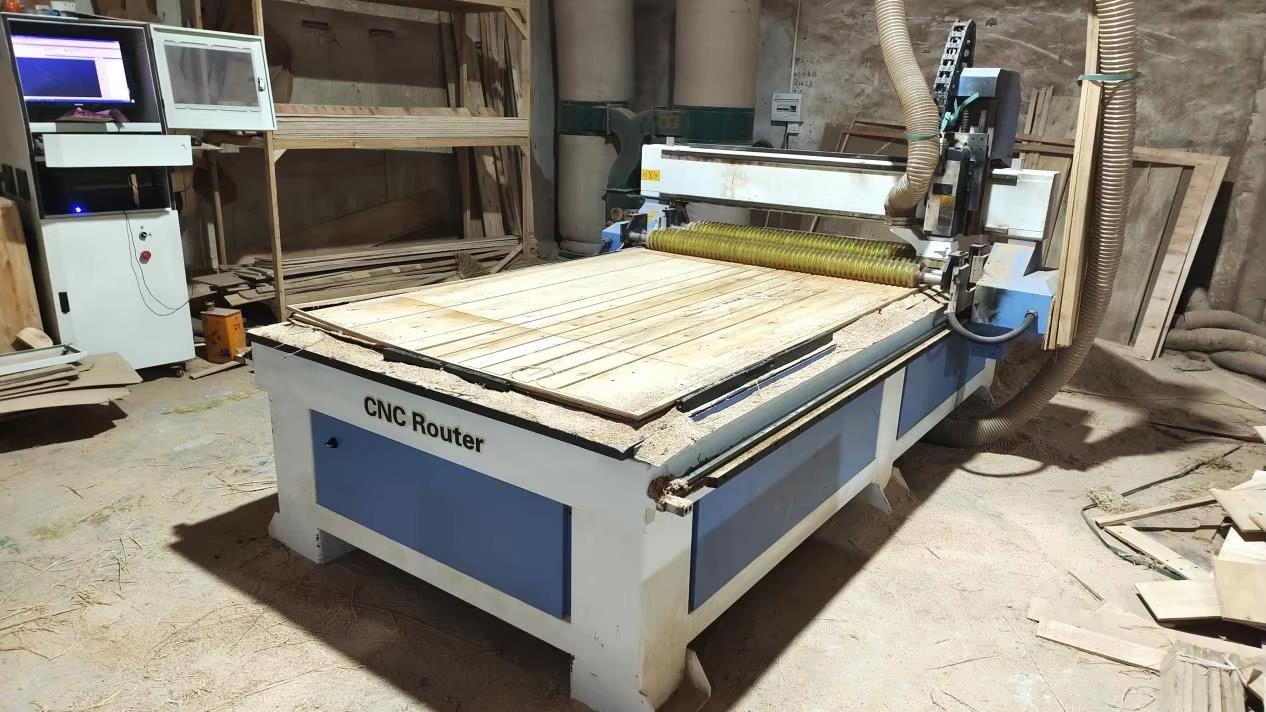
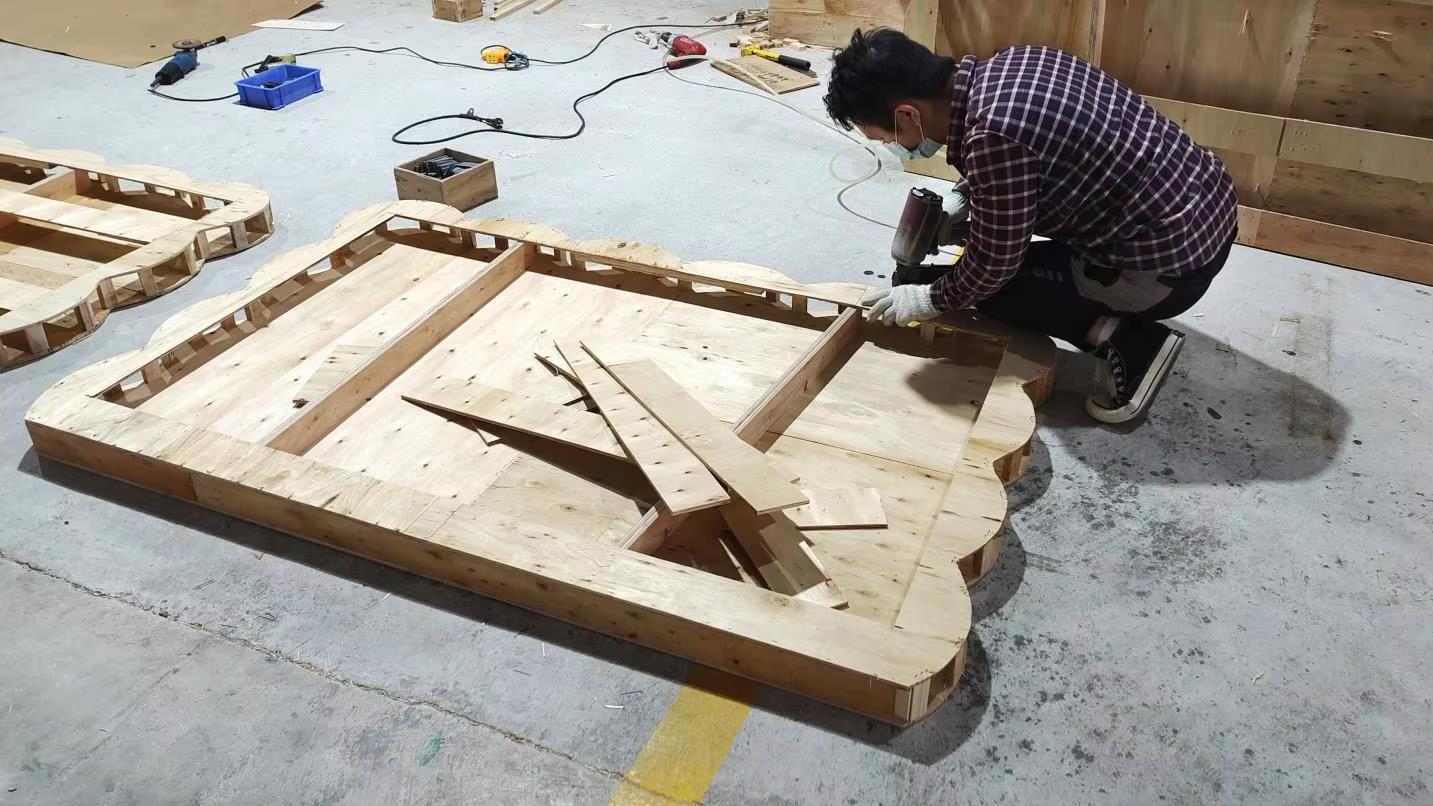
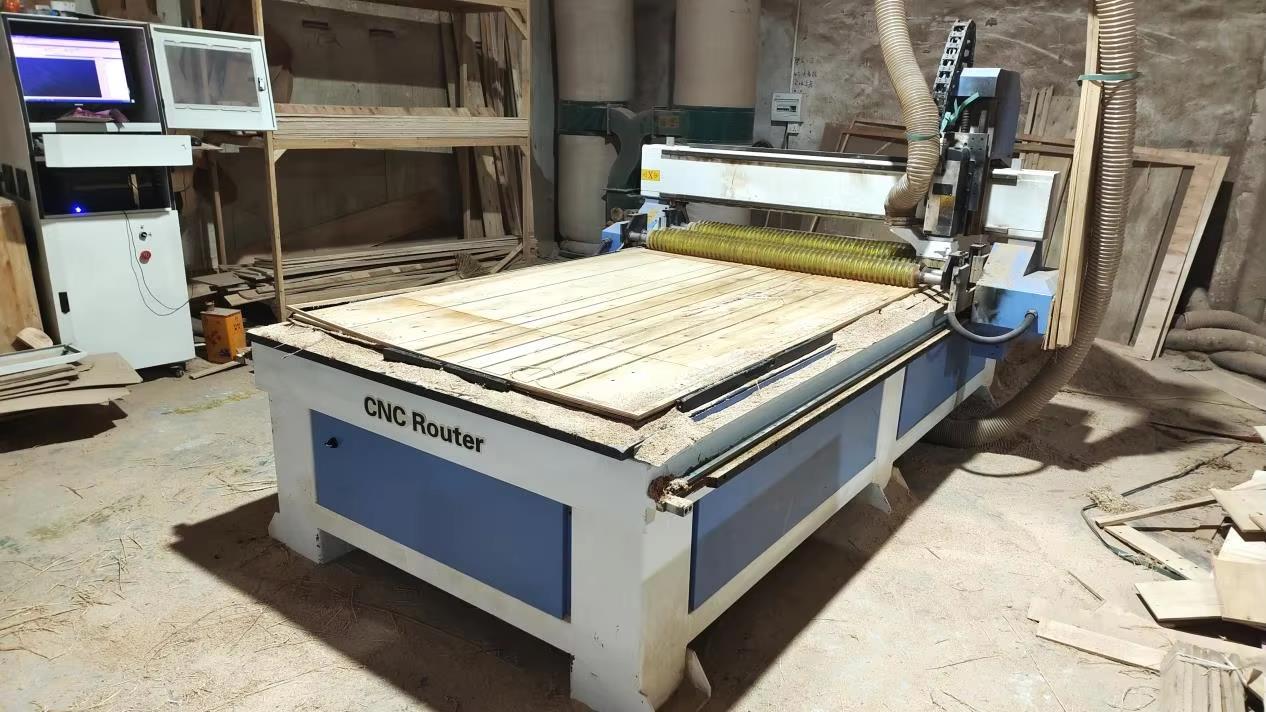
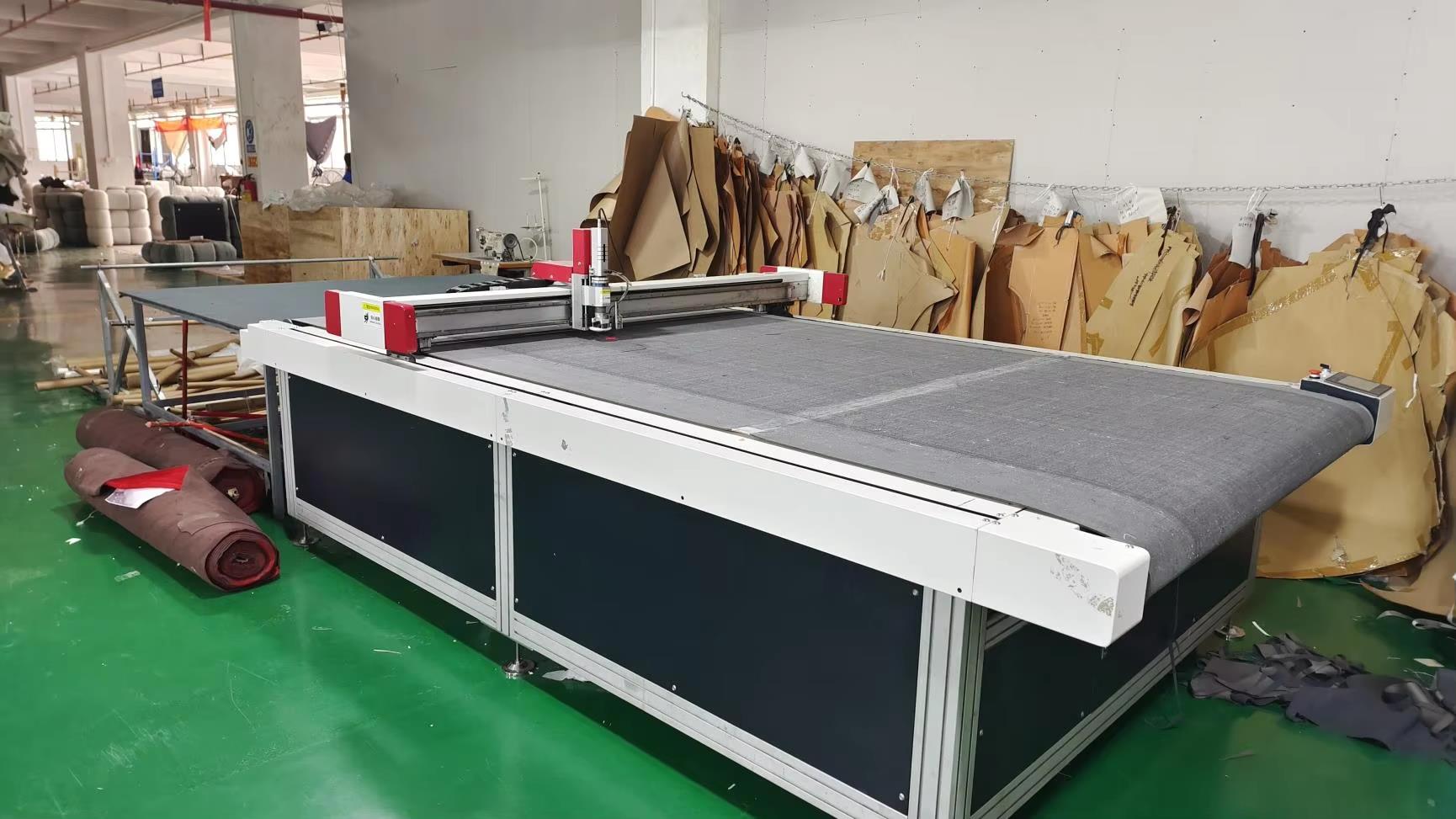
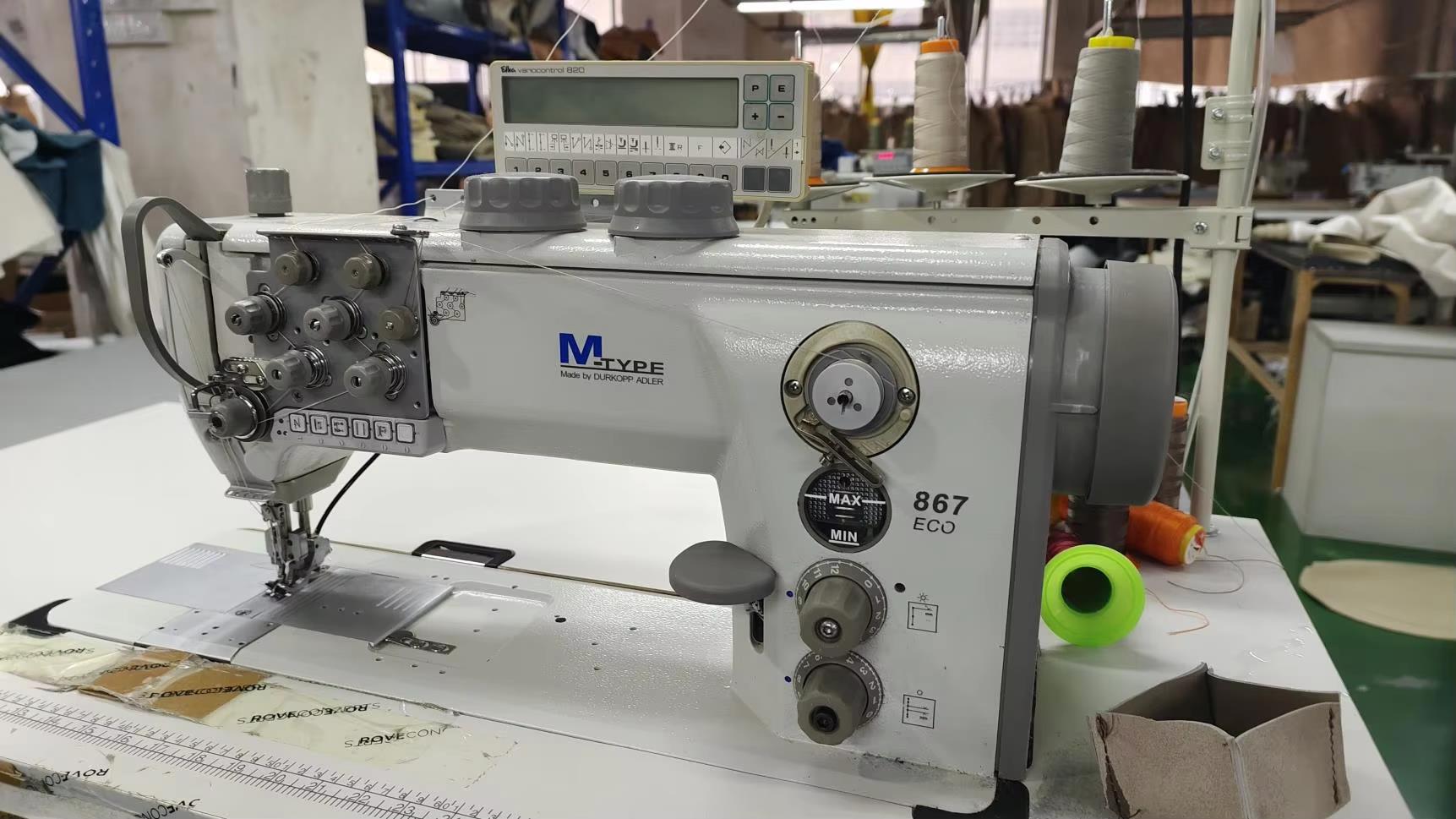
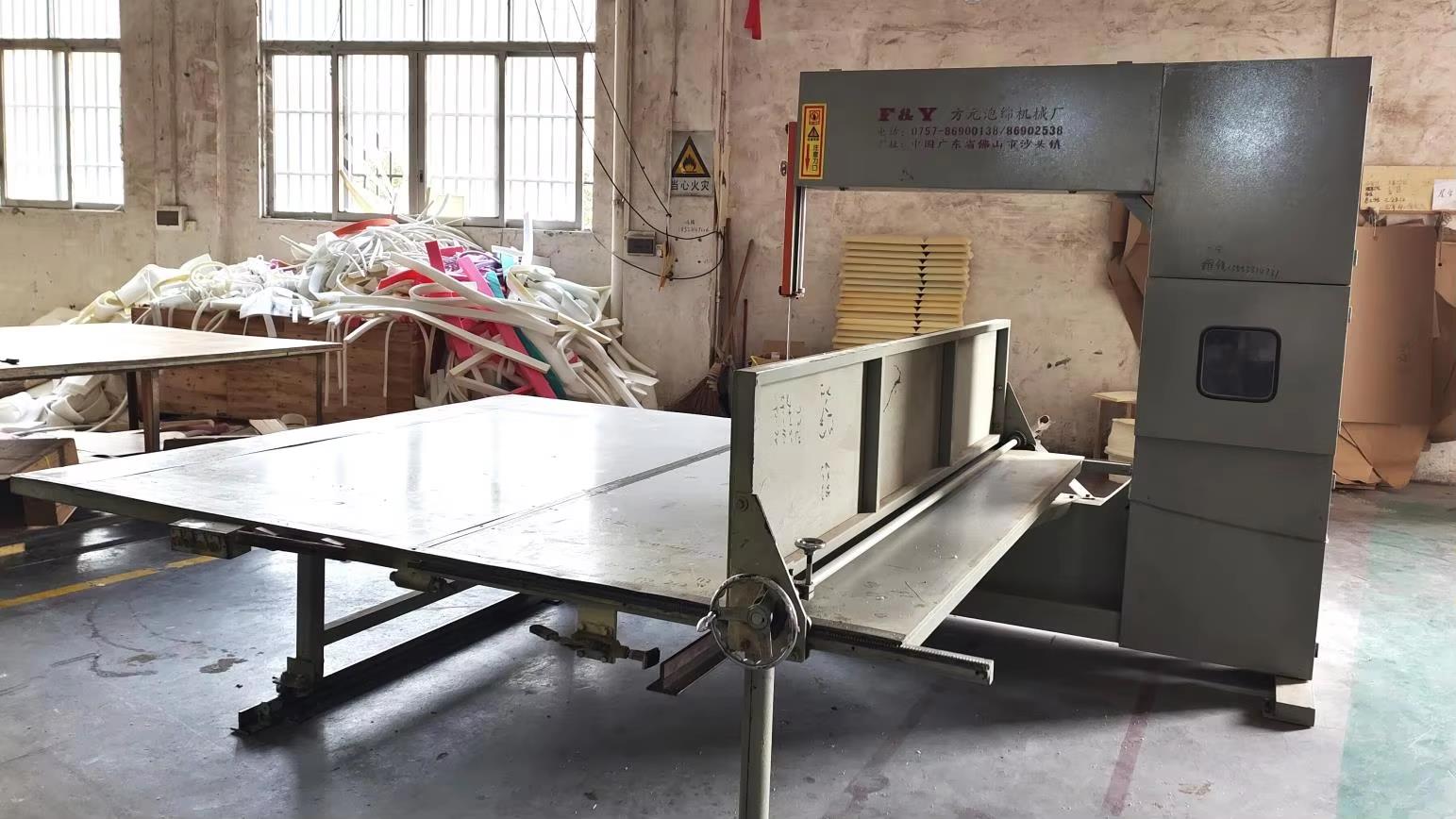
This localized ecosystem allows GranTree to maintain competitive leads during volatile market conditions. We can quickly source materials and move projects from prototype to volume production. Combined with automated machinery, our specialized manufacturing pipeline delivers consistent product quality at scale, supporting prompt project completions.
4. Sustainability and ESG in Contract Furniture Procurement
Modern real estate developers and corporations often operate under strict Environmental, Social, and Governance (ESG) guidelines, requiring green-building certifications like LEED or BREEAM. Consequently, furniture selection must consider low-emission finishes, recycled metals, and traceable timber.
GranTree works to reduce carbon footprints throughout production. We prioritize powder-coated finishes over traditional VOC-heavy solvent paints, source recycled aluminum, and package goods using flat-pack designs to maximize container capacity and lower shipping emissions. Partnering with GranTree helps B2B buyers align their procurement with global sustainability standards.