Solid wood furniture has long been regarded as a symbol of quality and craftsmanship. However, many potential buyers often wonder, "why is solid wood furniture so expensive?" According to a report from the American Home Furnishings Alliance, the cost of solid wood furniture can be significantly higher due to factors like material sourcing, craftsmanship, and market demand. Expert furniture designer Julia Harmon notes, “The dedication to sustainable practices and quality materials is what drives the price up.”
The demand for solid wood furniture remains strong, driven by its durability and timeless appeal. Yet, the reality check comes when many consumers realize that production costs are rising. Harvesting mature trees and ensuring sustainable practices requires investment. This detail often remains hidden from buyers who simply see price tags.
Additionally, the intricate design and skilled labor involved in manufacturing solid wood pieces contribute to higher costs. If consumers want quality, they must be willing to pay more. Reflecting on these elements makes it clear that understanding "why is solid wood furniture so expensive" requires an appreciation for the artistry and sustainability involved in its creation.
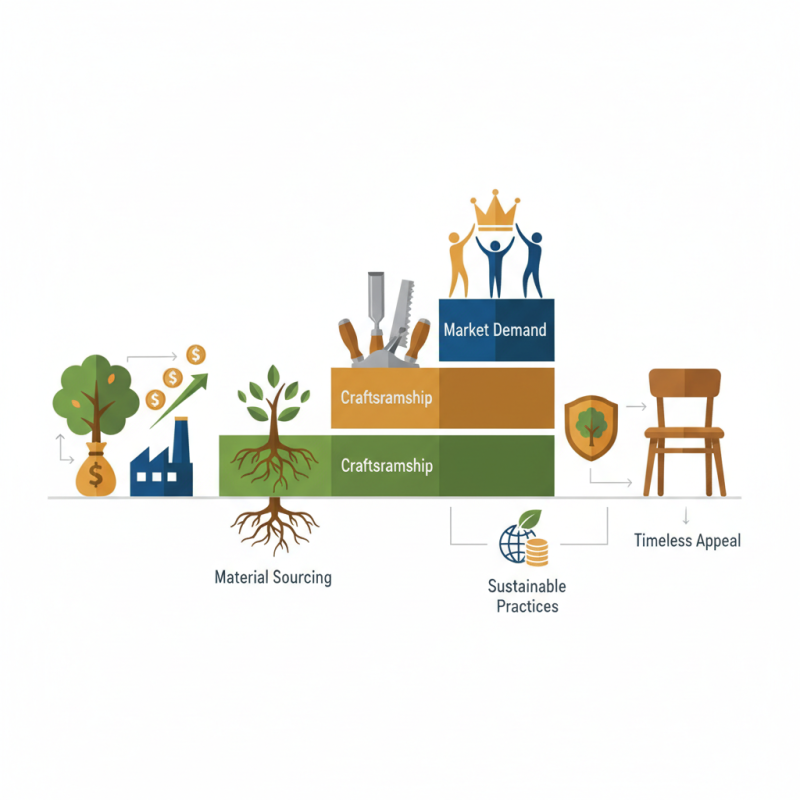
Solid wood furniture carries a hefty price tag, often surprising buyers. One key reason is the sourcing of the wood. Quality solid wood comes from slow-growing trees. The age and type of the tree impact the grain and durability. Each species has unique properties, which also affects the cost. For instance, hardwoods like oak and cherry are more expensive than softwoods like pine. This difference can deter some buyers, even if solid wood offers lasting value.
Another contributing factor is the craftsmanship involved. Skilled artisans are required to transform raw wood into beautiful furniture. The process involves careful planning, shaping, and finishing. Each piece may take weeks or months to complete. Unfortunately, this level of skill does not come cheap. High-quality craftsmanship can increase the furniture's value significantly. While mass-produced pieces offer lower prices, they often lack the character and durability of handcrafted items.
Buyers should also consider the environmental impact. Sustainable practices can elevate costs but contribute positively to the ecosystem. Not all manufacturers prioritize sustainability, making it essential for buyers to do research. Cheaper alternatives may come from unsustainable sources. This raises questions about long-term benefits compared to short-term savings. Investing in solid wood furniture may seem expensive, but the quality and sustainability can offer rewards beyond the initial purchase.
Solid wood furniture offers unparalleled quality and durability that many buyers seek. The natural strength of hardwood makes it resilient against wear and tear. Unlike cheaper alternatives, solid wood can endure daily use for decades. Its ability to age gracefully means it can develop a unique patina over time.
When investing in solid wood, consider these tips. Check for the type of wood used. Hardwoods like oak and cherry are often more durable than softwoods. Look for well-constructed pieces with joints that are sturdy. Dovetail joints, for example, suggest superior craftsmanship. Think about the finish too. A protective finish can enhance the wood's longevity.
Nevertheless, solid wood can come with a hefty price tag. Buyers must reflect on their needs. Is a piece for frequent use or occasional display? Weighing these factors can guide your decision. In the end, quality wood can be a worthy investment, but it’s essential to evaluate each piece critically.
The production of solid wood furniture requires a significant investment of time and skilled labor. Craftsmen carefully select each piece of wood, ensuring it meets strict quality standards. This process demands attention to detail, as imperfections can compromise the final product. From sourcing sustainable timber to hand-finishing surfaces, every step takes time.
Creating solid wood furniture involves traditional techniques that have been refined over generations. Carving, joinery, and finishing techniques require years of experience to master. Even simple designs often involve complex assembly processes. Craftsmen must balance efficiency with quality, leading to longer production times.
The labor-intensive nature of this craft means costs can quickly add up. Workers must be fairly compensated for their expertise. The craftsmanship involved often results in pieces that are not only functional but also works of art. Buyers may be left pondering whether such investment is truly worth it. The beauty and durability of solid wood may justify the price, but it’s essential to consider personal budgets and values.
When considering solid wood furniture, the type of wood significantly influences pricing. Hardwoods like oak, maple, and cherry tend to cost more. These species are denser and resistant to wear and tear. According to a report by the American Hardwood Export Council, oak can have a price premium of over 30% compared to softer woods like pine. This durability translates to longevity, making a higher upfront cost worthwhile.
Interestingly, not all expensive wood is superior. Some rarer wood species, such as mahogany or walnut, might carry hefty price tags due to scarcity. Yet, these woods might not always meet the same durability standards as domestic hardwoods. Buyers should question whether the aesthetic value justifies the cost. Understanding these variables can lead to smarter purchases.
**Tip:** Look for certifications like the Forest Stewardship Council (FSC). This ensures your wood is sourced sustainably and ethically, impacting both price and quality.
**Tip:** Compare different wood types. A well-made piece from a common species can still provide elegance and durability. Don't always chase after rare woods if they compromise utility. Consider your lifestyle and needs first.
The following chart illustrates the average price per cubic meter of different wood species commonly used in solid wood furniture. The price variation reflects factors such as availability, demand, and the inherent characteristics of each wood type.
The rising prices of solid wood furniture reflect the complexities of market demand and trends. More consumers today prefer authenticity and natural materials. Solid wood furniture offers durability and timeless aesthetics. This preference drives manufacturers to focus on quality, often leading to higher production costs.
Beyond consumer preference, environmental consciousness plays a significant role. Eco-friendly practices can increase production expenses. Sourcing sustainably harvested wood adds steps to the supply chain. Buyers are often willing to pay a premium for assurance that their furniture is both high-quality and ethically made. However, this creates a paradox. While many seek sustainable options, not everyone can afford them.
Trends in interior design also impact prices. As minimalism and rustic styles gain popularity, solid wood furniture becomes increasingly sought after. Designers often recommend these pieces for their versatility. Yet, this trend leads to tighter inventories and higher demand. As prices climb, some consumers may question if they are getting value for their money. These factors intertwine in intricate ways, creating a market that is both vibrant and challenging.
| Category | Average Price ($) | Market Demand (Annual Growth %) | Material Source | Production Time (Weeks) |
|---|---|---|---|---|
| Dining Tables | $1,200 | 5% | Sustainable Forests | 8 |
| Coffee Tables | $600 | 4% | Reclaimed Wood | 6 |
| Dressers | $900 | 7% | Hardwood | 10 |
| Bookshelves | $750 | 6% | Ash and Oak | 9 |
| Bed Frames | $1,500 | 8% | Pine Wood | 12 |
: Solid wood's natural strength allows it to resist wear and tear effectively.
It develops a unique patina that adds character, enhancing its appeal.
Examine the type of wood, construction quality, and finish for longevity.
Skilled craftsmanship ensures durability and aesthetic appeal through techniques like dovetail joints.
Yes, costs can be high due to the labor-intensive production process and time required.
Quality selections, meticulous attention to detail, and skilled labor contribute to higher costs.
No, hardwoods like oak and cherry are generally more durable than softwoods.
Consider how often the piece will be used and your budget before deciding.
Yes, but they may require compromises in design or craftsmanship quality.
Quality pieces can appreciate, but it depends on market demand and care taken.
The question of why is solid wood furniture so expensive can be attributed to several key factors. Firstly, the quality and durability of solid wood stand out compared to other materials, ensuring longevity and a timeless aesthetic. This inherent value contributes to higher pricing. Additionally, the production process is labor-intensive, requiring skilled craftsmanship and considerable time to create pieces that showcase the natural beauty of the wood.
Furthermore, the type of wood species used plays a significant role in pricing; rarer or more sought-after woods naturally drive costs higher. Lastly, market demand and current trends also influence solid wood furniture prices, as consumers increasingly seek out high-quality, sustainable options. Collectively, these factors explain the premium associated with solid wood furniture, making it a worthwhile investment for buyers seeking durability and style.
