Choosing the right rug size for a dining room can transform your space. Expert designer Emily Henderson emphasizes, "A rug should define the dining area, not swallow it." Understanding how to choose the right rug size for a dining room ensures harmony and balance.
When deciding on a rug, consider your table size and layout. The rug should extend beyond the chairs, allowing for easy movement. Measure your dining area carefully, keeping in mind potential obstacles. A common mistake is selecting a rug that is too small, which can make the room feel cramped.
Additionally, think about the style and material of the rug. It should complement your décor while being durable. A well-chosen rug creates warmth and invites gathering. Reflect on your choices and remember, the perfect rug balances aesthetics with functionality.
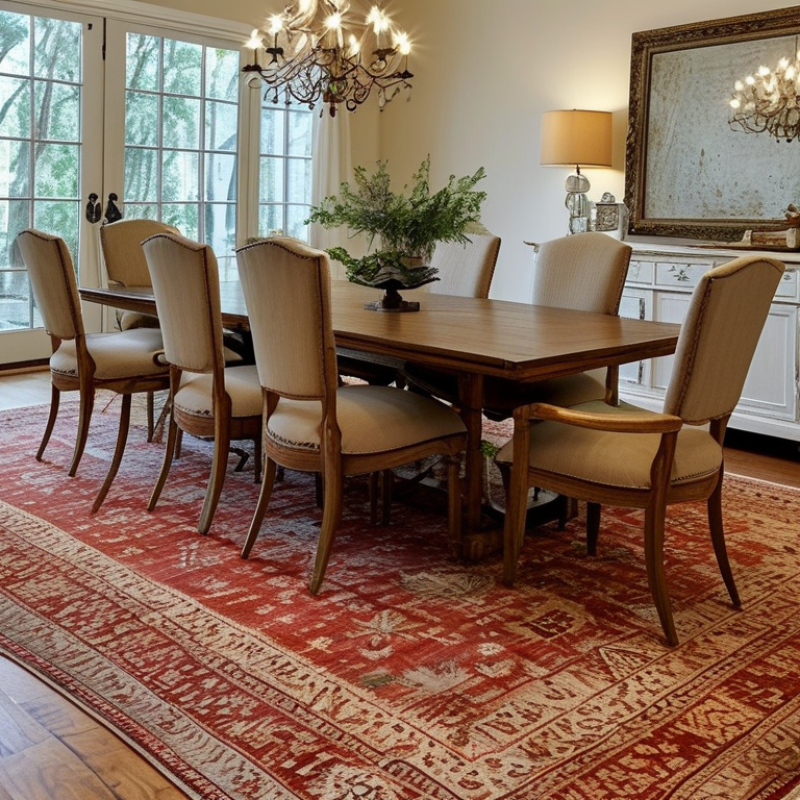
When designing a dining room, the size of your rug plays a critical role. It anchors the space, defines the area, and adds warmth. A rug that is too small can make the room feel disjointed. Conversely, an oversized rug can overwhelm the furniture. Striking the right balance is essential for a cohesive look.
Consider the size of your dining table. A general guideline is to add at least 24 inches around the table's perimeter. This allows chairs to slide out without catching on the rug's edge. If your space permits, go larger to create a more inviting atmosphere. However, ensure the rug doesn't extend too far beyond the table, which can create visual clutter.
Another aspect to consider is the shape of the rug. Rectangular rugs suit long tables, while round rugs can soften the edges of a square or rectangular table. Additionally, the color and pattern of the rug should harmonize with other elements in the room. A busy pattern can clash with your table settings, while a simple design can enhance the overall aesthetic.
Choosing the right rug size requires careful thought. Reflect on how your rug interacts with your dining furniture and space. Are all the legs of your chairs on the rug? This is highly functional. If not, it can lead to awkward moments during dining. Your rug should enhance both comfort and style in your dining room.
Measuring your dining space is crucial for finding the ideal rug size. Begin by determining the dimensions of your dining table. Use a tape measure to find the length and width. It’s essential to consider the chairs as well. When pulled out, they should still sit comfortably on the rug. Allow for at least 24-30 inches of extension around the table.
Next, visualize the entire area. Remember that a rug should enhance the dining experience, not overwhelm the space. An area rug that’s too small can make the room feel disjointed. Conversely, a rug that is too large may disrupt the flow. It’s a delicate balance. Additionally, furniture placement can impact measurements. A table surrounded by sideboards must be measured with those in mind.
Finally, don’t be afraid to rethink your choices if things feel off. Sometimes, what looks good in theory may not fit well in practice. Consider trying different layouts before settling on a rug size. A well-measured rug can make your dining room more inviting. Each inch counts when creating a harmonious dining environment.
When selecting a rug for your dining room, the shape matters significantly. Round and rectangular rugs each have unique benefits. Round rugs soften the edges of a dining area. They can create a more intimate atmosphere. If you have a circular table, a round rug harmonizes beautifully. It allows for seamless movement around the table.
On the other hand, rectangular rugs are often the standard for dining spaces. They align well with long tables and straight lines in the room. A rectangular rug can visually extend the length of the table. This shape works particularly well in long, narrow dining rooms. Ensure the rug is large enough for chairs to comfortably rest on it.
When considering size and shape, think about your room layout. Measure the space accurately. A common mistake is choosing a rug that is either too small or too large. The right size can elevate your dining experience. It can also enhance the overall aesthetics of the space. Choose wisely, as rugs can often seem different at home than in a store.
| Tip Number | Tip Description | Rug Shape | Recommended Size |
|---|---|---|---|
| 1 | Measure the dining table size before choosing a rug. | Rectangular | 6' x 9' |
| 2 | Ensure at least 24 inches of space around the table edge. | Rectangular | 8' x 10' |
| 3 | Consider the number of chairs and clearance for them. | Rectangular | 9' x 12' |
| 4 | Opt for round rugs for round tables to complement shape. | Round | 6' Diameter |
| 5 | Use rugs to define dining areas in open floor plans. | Rectangular | 7' x 10' |
| 6 | Choose lighter colors to enhance small dining spaces. | Any | Size Depends on Room |
| 7 | Consider the rug material for easy cleaning. | Any | Size Depends on Room |
| 8 | Layer rugs for added texture and visual interest. | Any | Size Depends on Layers |
| 9 | Ensure the rug fits under the front legs of the chairs. | Rectangular | 8' x 10' |
| 10 | Balance the rug scale with the size of the dining area. | Any | Size Depends on Room |
Choosing the right rug size for your dining room is crucial. It affects not just aesthetics but also functionality. When placing furniture, consider how each piece interacts with the rug. For a cohesive look, the rug should extend beyond the dining table. Ideally, all chairs should remain on the rug, even when pulled out. This ensures comfort and stability during meals.
Traffic flow is another key factor. Make sure the rug does not obstruct pathways. Measure distances between furniture to find the best size. A rug that’s too small can make a space feel disconnected. A larger rug can unify the dining area. Additionally, choose a material that withstands heavy foot traffic and spills.
Assess your dining habits. If your family often dines in the kitchen, opt for an easy-to-clean option. Consider how often guests gather. A rug that welcomes flow can enhance the atmosphere. Group furniture wisely to create an inviting space. Observe how individuals move around the area; it offers insights into your rug choice.
When selecting a rug for your dining room, consider material and thickness carefully. Natural fibers like wool provide comfort and durability. They are soft underfoot and can withstand heavy foot traffic. Synthetic options, like nylon or polypropylene, are easier to clean but may lack the warmth of natural fibers.
Thickness also plays a crucial role in comfort. A thicker rug can add a plush feel, making dining experiences more enjoyable. However, too thick of a rug can make moving chairs difficult, creating frustration. Balance is essential. A low-profile rug might suit a modern space, whereas a shag rug could complement a cozy, rustic dining area.
As you choose materials and thickness, reflect on your lifestyle. Do you have young children or pets? Stains and spills can be a concern. Opt for stain-resistant materials that can handle messes easily. Additionally, consider the overall decor of the room. A rug should enhance your dining space, not overpower it. Select a color and pattern that ties the room together while remaining functional.
: Start by measuring your dining table's length and width. Include chair space for comfort.
Ideally, the rug should extend at least 24-30 inches beyond the table for chair movement.
Yes, a small rug can make the room feel disjointed and uncomfortable. It disrupts the flow.
Account for sideboards or other furniture. Measure around these pieces to find the right size.
Natural fibers like wool are durable, while synthetic options are easier to clean.
A thicker rug adds comfort, but too much thickness can make moving chairs difficult.
Reflect on your dining habits. Choose a rug that fits your current lifestyle and cleaning needs.
Yes, ensure the rug does not block pathways. It should promote easy movement around the dining area.
Choose colors and patterns that tie the room together while maintaining functional aspects.
When considering how to choose the right rug size for a dining room, it's essential to understand the pivotal role that rug size plays in overall design. A well-sized rug can enhance the aesthetic appeal of the space while ensuring comfort during meals. Start by measuring your dining area carefully to determine the perfect rug dimensions, keeping in mind that the rug should ideally extend beyond the edges of the table and chairs.
Additionally, the shape of the rug—whether round or rectangular—should complement both your dining table and the layout of the room. Consideration of furniture placement and traffic flow is vital to avoid a cramped atmosphere. Lastly, selecting the right material and thickness can significantly impact comfort and style, making every dining experience more enjoyable. By following these guidelines, you’ll be better equipped to make an informed decision on the ideal rug size for your dining room.
