Top 10 Tips to Arrange Living Room Furniture in Small Spaces?

Time:2026-06-05 Author:Amelia
0%

Arranging living room furniture in small spaces can be a challenge. Interior designer Emily Henderson, known for her innovative designs, offers valuable insight. She states, "Small spaces need smart solutions." This highlights the importance of utilizing creativity and functionality in your living room.

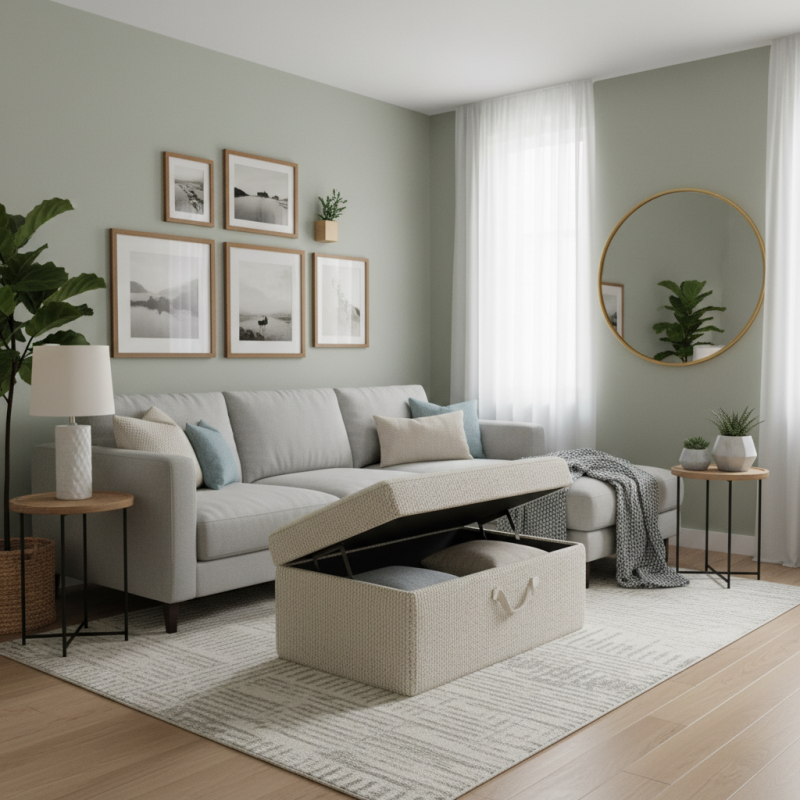
When considering how to arrange living room furniture in a small space, every inch counts. Think about multi-functional pieces like ottomans that can serve as both seating and storage. Avoid overcrowding with too many items. Instead, choose a few key pieces that reflect your style while maintaining open pathways.

Light colors and mirrors can visually expand the space. However, be cautious; excessive decor can make your room feel cluttered. Aim for a balance between style and usability. Reflect on how your arrangement affects daily activities. This process often requires adjustments, making it essential to be open to change and re-evaluation.
Top 10 Tips to Arrange Living Room Furniture in Small Spaces?

Tips for Selecting Multi-Functional Furniture in Small Living Rooms

When arranging furniture in small living rooms, multi-functional pieces are essential. Consider a sofa bed or a storage ottoman. These items can save space while serving dual purposes. Look for a coffee table that doubles as a storage chest. This approach helps keep clutter at bay without sacrificing comfort.

Think about your lifestyle. Do you entertain often? A foldable dining table might be useful. It can expand when needed and shrink to save space afterward. Incorporate wall-mounted shelving for books or décor. This choice draws the eye upward, making the room feel larger.

It's important to measure your space accurately. Oversized furniture can overwhelm a small room. Reflect on your daily needs. Investing in adaptable furniture improves functionality and comfort. Remember, sometimes less is more. A minimalistic approach can create an illusion of greater space.

Understanding the Importance of Scale and Proportion in Furniture Layout

Understanding the scale and proportion of furniture is crucial in small living spaces. According to a study by the American Home Furnishings Alliance, 70% of homeowners struggle with furniture layout. In small rooms, large furniture can overwhelm the space, making it feel cramped. Choosing appropriately sized items is key to maintaining comfort and functionality. For example, opting for a loveseat instead of a full-sized sofa can open up pathways and create a more airier vibe.

Visual balance is another aspect to consider. Using furniture that is low to the ground can enhance the perception of space. A coffee table at the correct height can tie seating areas together without blocking sight lines. The National Institute of Home Design reports that using multi-functional furniture can save both space and money. A small ottoman can serve as a footrest, extra seating, or storage. Every piece should serve a purpose while complementing others without crowding the room. Small adjustments in layout can lead to significant improvements in flow and usability.

Utilizing Vertical Space: Shelving and Wall-Mounted Solutions

When arranging furniture in a small living room, leveraging vertical space is crucial. Wall-mounted shelves can provide ample storage without occupying floor area. Consider adding floating shelves above furniture, such as couches or desks. This design creates a visually appealing display while keeping items within reach. You can showcase books, plants, or decorative pieces.

Another option is corner shelves. These can utilize often-overlooked spaces. Placing them in corners can make the room feel more spacious. It draws the eye upward, creating an illusion of height. Utilizing wall-mounted baskets can also be practical. They help keep items organized and accessible while decorating your walls.

However, it's important to be cautious with wall-mounted solutions. Overcrowding shelves can make the space feel cluttered. Balance is key in smaller environments. Choosing a few statement pieces can elevate the room without diminishing its openness. Remember, experimenting with different heights can enhance the room's character. Reflect on how each piece fits into your overall vision.

Top 10 Tips to Arrange Living Room Furniture in Small Spaces

Optimal Traffic Flow: How to Arrange Seating for Maximum Comfort

Arranging seating in a small living room can be tricky. Optimizing traffic flow is essential for comfort. Start by considering the main pathways. Leave at least two feet of space for easy movement. This makes the area feel more open and inviting.

In small rooms, choosing the right furniture matters. Opt for lightweight pieces that are easy to rearrange. A sofa with slim arms can create a more spacious feel. Be mindful of how your chairs and couches face each other. Aim for a cozy arrangement that encourages conversation without blocking pathways.

Don't be afraid to rethink traditional layouts. Sometimes, placing seating diagonally can enhance flow and comfort. Test different configurations until you find what works. Remember that functionality should always come first. Keep your space lively, yet practical.

Incorporating Light and Color to Enhance Small Living Room Perception

In small living rooms, combining light and color can significantly enhance the perception of space. Light colors, such as soft whites and pastels, can open up areas. These shades reflect sunlight, making rooms feel airy. Conversely, darker colors may compress the visual space, making it feel smaller. A neutral palette for walls paired with vibrant accents creates balance. Think of colorful throw pillows or artwork to draw the eye and add personality.

Incorporating mirrors is another effective strategy. Mirrors reflect light and create depth, tricking the eye into thinking the room is larger. Position them strategically across from windows to maximize brightness. You might consider using sheer curtains that let in natural light. This choice maintains privacy while keeping the space feeling open.

Lastly, remember to choose multifunctional furniture. Tables with storage can help keep clutter at bay. Ultralight styles also permit easy re-arrangement, adapting to different needs. Striking the right balance can be challenging; consider experimenting until you find what feels best. Each decision shapes your living space, turning it into a comfortable retreat.

FAQS

: Why is scale and proportion important in small living spaces?

: Proper scale and proportion prevent large furniture from overwhelming a room. It maintains comfort and functionality.

How can I create a sense of space in my small living room?

Opt for low furniture and multi-functional items. This enhances visual balance and saves space.

What are some effective storage solutions for small rooms?

Use wall-mounted shelves and corner shelves to maximize vertical space. This keeps the floor clear and organized.

How should I arrange seating for optimal comfort?

Leave at least two feet of space for pathways. This improves openness and movement in the room.

What should I consider when choosing furniture for a small space?

Lightweight furniture is ideal. Choose pieces that can easily be rearranged for better flow and comfort.

Can I use wall-mounted solutions without making the room feel cluttered?

Yes, but choose a few statement pieces. Balance is crucial to maintain an open feel in small spaces.

How can I enhance the character of a small room?

Experiment with different heights and arrangements. Reflect on how each piece fits into your overall vision.

What if I don't like traditional furniture layouts?

Feel free to rethink layouts. Diagonal seating can improve flow and create a cozy atmosphere.

How can I ensure my furniture layout encourages conversation?

Arrange chairs and couches to face each other while considering pathways. This promotes interaction without blocking movement.

What should I keep in mind when adjusting my layout?

Small adjustments can lead to significant improvements. Always prioritize functionality and comfort over aesthetics.

Conclusion

When considering how to arrange living room furniture in a small space, it is essential to select multi-functional pieces that maximize utility without overcrowding the area. Understanding the scale and proportion of your furniture is crucial; oversized items can make a small room feel cramped, while appropriately sized pieces can create a balanced look.

Utilizing vertical space through shelving and wall-mounted solutions can also help to free up floor space, giving the illusion of a larger room. Additionally, optimal traffic flow should be prioritized by arranging seating in a way that accommodates movement and social interaction. Finally, incorporating light and color strategically can enhance the perception of space, making your small living room feel open and inviting. By following these tips, you'll be well on your way to creating a functional and stylish environment in your small living area.

Amelia

Amelia

Amelia is a seasoned marketing professional with a wealth of expertise in our company’s core offerings. With an unwavering passion for driving growth and innovation, she plays a pivotal role in shaping our marketing strategies and enhancing brand visibility. A key aspect of her responsibilities......