Staging a living room can significantly impact its perceived size. According to renowned interior designer Sarah Johnson, "The way we arrange our space can create an illusion of more room." Her expertise highlights the importance of thoughtful design choices.
In 2026, homeowners are looking for fresh ideas to make their living spaces feel larger. Utilizing light colors, strategically placed mirrors, and minimal furniture can enhance openness. When asking how to stage a living room to make it look bigger, keep in mind the balance between aesthetics and functionality.
Creating a bigger feel doesn't mean sacrificing style. It requires creativity and a willingness to rethink existing layouts. Sometimes, even with the best advice, results may vary based on individual spaces. Embrace the process of experimentation. Each room has its unique challenges, and it's often through trial and reflection that the best solutions emerge.
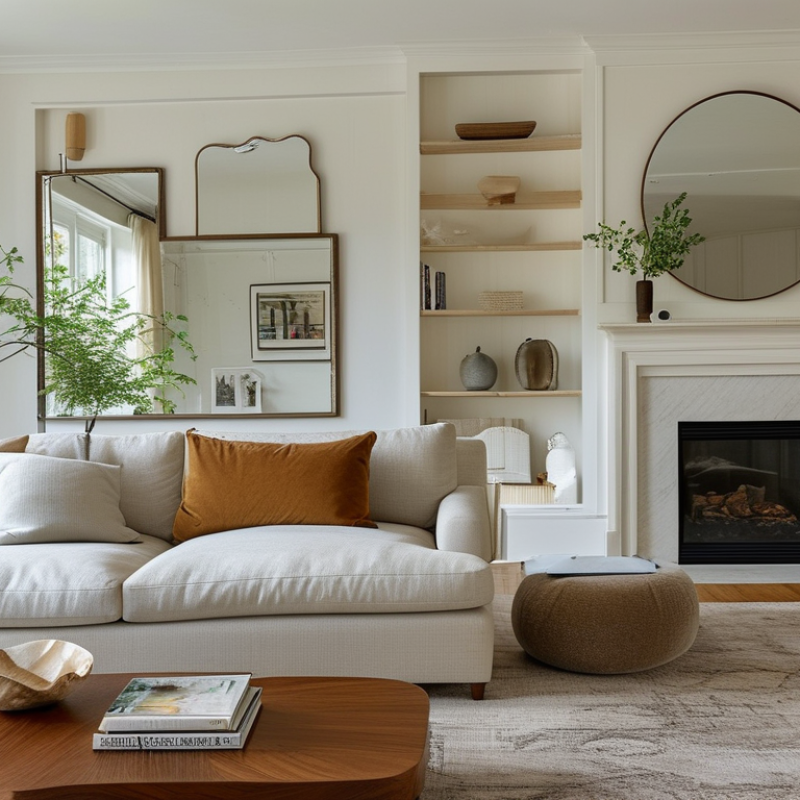
When staging a living room, understanding space perception is essential. The way we perceive space greatly affects how inviting and comfortable a room feels. A well-designed living room can create an illusion of size. Simple adjustments can enhance this perception.
One effective tip involves furniture arrangement. Place larger pieces against the walls. This opens up the center of the room, making it feel more spacious. Opt for furniture with exposed legs. This choice creates a sense of airiness and allows light to pass through. Mirrors are also powerful tools. Position them strategically to reflect light and expand visual space.
Color choice plays a significant role in how we experience a room. Light colors on walls can make the space feel larger. Dark colors, while cozy, can compress a room’s feel. Consider using a monochromatic palette for a cohesive look. Additionally, decluttering helps maintain a sense of openness. Too many items can overwhelm the senses and confuse spatial perception. Regularly reassess what you truly need in the space. Don't hesitate to change or remove decor that no longer serves a purpose.
When designing a living room to appear larger, the choice of color palette plays a crucial role. Light colors can create an illusion of more space. Soft whites, light grays, and pale blues are great options. They reflect natural light, making walls look farther away. Using monochromatic shades adds depth without overwhelming the senses.
Consider incorporating accent colors for contrast. A deep navy or vibrant green can add character. However, use these sparingly. Balance them with lighter tones to maintain the airy feel. Furniture pieces in colors that match the walls can blend in, minimizing boundaries and creating a seamless flow.
Remember, not every choice will be perfect. Sometimes a darker shade can make a room feel cozy yet cramped. It’s essential to reflect on how colors interact with your space. Experimenting with paint samples on the walls can help visualize the final effect. Don’t hesitate to adapt as new trends emerge; staying flexible is key to achieving a larger illusion in your living room.
Staging a living room to appear larger hinges significantly on using multi-functional furniture. According to the National Association of Realtors, well-staged homes can sell for up to 10% more. By integrating versatile pieces, you can effectively maximize your floor area while enhancing aesthetics.
For example, consider a coffee table that doubles as storage. This allows for organization while avoiding clutter.
Another effective strategy includes selecting furniture with legs. Pieces that raise off the ground create an illusion of space. Consider a lightweight, modular sofa that can be rearranged based on needs. It's flexible and can adapt to gatherings or daily use. Even wall-mounted shelves can clear floor space and showcase decor without overwhelming the area.
Tips: Choose a neutral color palette. Light colors reflect light, making the room feel airy. Also, avoid heavy drapery; opt for sheer curtains to let in natural light. Lastly, be mindful of scale. Oversized furniture can dominate the space and make it feel cramped, so measure carefully before purchasing. Embrace minimalism, but feel free to display personal items that reflect your style.
Utilizing mirrors effectively can significantly enhance light and depth in a living room. According to a report by the National Association of Realtors, homes with well-staged interiors sell 73% faster. Mirrors can reflect natural light, making a space feel larger and more inviting. Positioning a large mirror opposite a window can double the light entering, creating a bright and airy atmosphere.
In addition to reflecting light, mirrors can create an illusion of depth. By strategically placing smaller mirrors around the room, you can guide the eye to different focal points, making the space feel more expansive. A study from the American Society of Interior Designers highlights that thoughtfully staged rooms can increase buyer interest by up to 50%. Mirrors not only enhance aesthetics but can also improve the perceived space.
While mirrors are effective, overusing them can lead to a cluttered look. It’s important to maintain balance and ensure they complement existing décor. Consider the layout and purpose of the room before adding more mirrors. Thoughtful placement can create harmony, while excessive mirrors might confuse the visual narrative of the space. Reflecting on these details can lead to a well-staged living room that feels both spacious and stylish.
| Technique | Description | Benefits |
|---|---|---|
| Wall-Mounted Mirrors | Placing mirrors on walls can create the illusion of more space. | Enhances light, creates depth, and visually expands the room. |
| Mirrored Furniture | Using furniture with mirrored surfaces reduces visual clutter. | Reflects light and increases perceived space. |
| Layering Mirrors | Placing different sizes and styles of mirrors together. | Adds visual interest and enhances room depth. |
| Reflective Accessories | Incorporating items like vases or picture frames made of reflective materials. | Helps to bounce light around the room, making it feel larger. |
| Proper Lighting | Utilizing bright, layered lighting above or near mirrors. | Maximizes the reflective quality of mirrors enhancing space perception. |
Creating a spacious illusion in a living room starts with an intentional layout. Position larger furniture against walls to free up floor space. Consider using multi-functional pieces. An ottoman can serve as both a seat and a table. Keep walking paths clear to enhance flow.
Light colors can also make a room feel more expansive. White or light pastel shades reflect light and create an airy feel. Don't just stick with one color; add accents with pillows or art. Mirrors are another tool. They reflect light and give a sense of depth, which is crucial in smaller rooms.
However, it’s important not to overcrowd the space with décor. A common mistake is putting too many pieces on display. Choose a few statement items and let them shine. Reflecting on your choices, you may realize that less is often more. Aim for balance and functionality while creating your perfect living space.
: Space perception impacts how inviting and comfortable a room feels. It affects how people experience the area.
Place larger furniture against walls. This creates an open center, making the room feel more spacious.
Light colors on walls can make a room feel larger. They reflect light, enhancing the spaciousness of the area.
Mirrors reflect light and expand visual space. Position them strategically to maximize their effect.
Regularly reassess what items you need. Remove decor that no longer serves a purpose to maintain openness.
A monochromatic palette creates cohesion. But adding colorful accents can bring life without overcrowding the space.
Multi-functional pieces serve more than one purpose. For example, an ottoman can be used as a seat or table.
Overcrowding the space with too many items can overwhelm the senses. Choose a few statement pieces instead.
Keep walking paths clear by arranging furniture appropriately. This enhances movement and makes the room feel more open.
Balance aesthetics and functionality. Reflect on your choices; often, simplicity leads to a more effective design.
In "How to Stage a Living Room to Look Bigger in 2026," the article emphasizes the significance of space perception in living room design. Understanding how our eyes perceive space is crucial in creating an inviting and spacious atmosphere. Choosing the right color palette can significantly influence the illusion of space, with lighter tones often opening up the room. Additionally, incorporating multi-functional furniture helps maximize floor area without compromising on style or comfort.
To enhance the sense of space further, utilizing mirrors effectively can create depth and reflect light, making the room feel larger and brighter. Lastly, optimizing the layout and flow ensures that the living area remains functional while appearing expansive. By following these strategies, anyone can learn how to stage a living room to make it look bigger, transforming their space into a more open and pleasant environment.
