How to Secure Heavy Storage Cabinets to the Wall Safely?

Time:2026-06-29 Author:Henry
0%

When it comes to home safety, securing heavy storage cabinets to the wall is often overlooked. According to a report by the National Safety Council, over 22,000 injuries occur each year due to falling furniture. Engaging in proper methods to secure heavy storage cabinets can prevent these accidents. Roberta Schmidt, a certified home safety expert, states, "The simple act of anchoring cabinets can save lives."

Understanding how to secure heavy storage cabinets to the wall is crucial in homes with children or pets. The right techniques and materials make all the difference. Cabinet anchors are designed to prevent tipping during earthquakes or even during regular use. However, many homeowners neglect to consider the weight distribution within these cabinets, which can lead to instability. Ensuring that heavier items are stored at lower levels contributes to better balance.

While many resources exist, not all provide clear, actionable guidance. It's essential to consult trade organizations for reliable information. Some professionals emphasize practicality over aesthetics when securing heavy storage. Taking time to assess your cabinets and their contents allows for a safer living environment. Evaluating your setup can lead to improved safety and peace of mind.
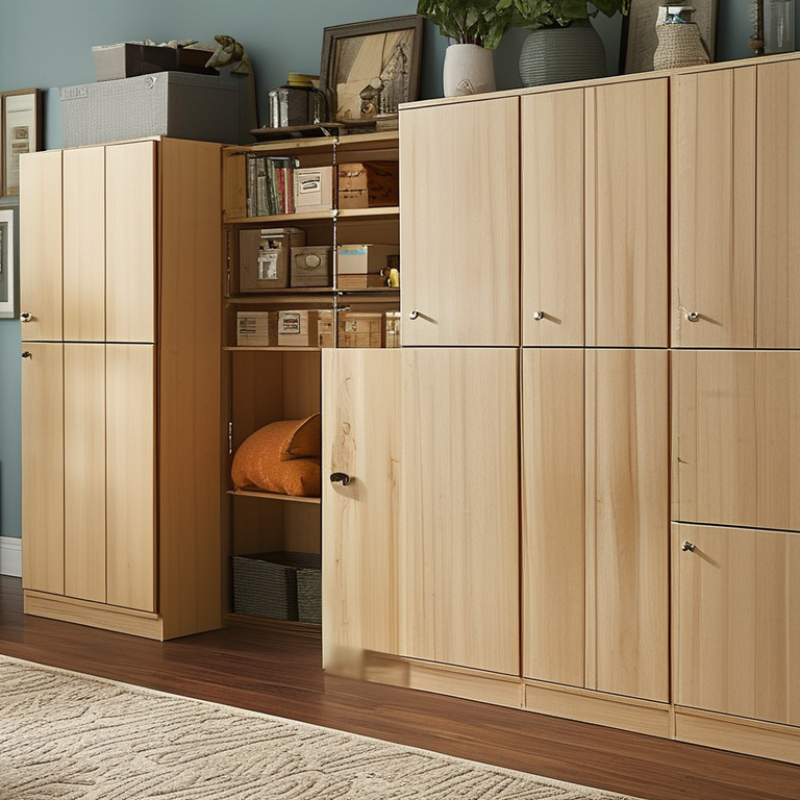
How to Secure Heavy Storage Cabinets to the Wall Safely?

Tools and Materials Needed for Securing Cabinets to the Wall

Securing heavy storage cabinets to the wall is essential for safety. To accomplish this, gather the right tools and materials. You will need a stud finder, a level, a drill, screws, and anchors. A pencil will help you mark the wall. Safety goggles are crucial to protect your eyes when drilling.

Before you begin, find the studs in the wall with the stud finder. Mark their locations with a pencil. This step is important; securing cabinets only to drywall can lead to disaster. Next, position the cabinet against the wall. Use the level to make sure it’s straight. If cabinets are not level, they can be unstable. Drill pilot holes through the cabinet’s back into the studs. Remember, not all cabinets come with pre-drilled holes. Utilize appropriate screws and anchors if mounting into drywall is necessary.

After securing the screws, double-check the tightness. Sometimes, screws can loosen over time. Be proactive about safety. Regularly inspect your cabinets to ensure they remain secure. A small effort could prevent accidents. Heavy cabinets can cause significant injuries if they tip over. Taking these precautions is vital for a safe environment.

How to Secure Heavy Storage Cabinets to the Wall Safely? - Tools and Materials Needed for Securing Cabinets to the Wall

Item Description Quantity Estimated Cost
Anchors Heavy-duty wall anchors for securing cabinets 10 $5
Screws Long screws to attach the cabinet to the wall 20 $3
Stud Finder Tool to locate wall studs for anchoring 1 $15
Level Tool to ensure cabinets are properly aligned 1 $10
Drill Tool for making holes in the wall for screws 1 $50
Safety Glasses Protective eyewear to prevent injury 1 $8

Identifying Wall Studs and Choosing the Right Anchors

When securing heavy storage cabinets, identifying wall studs is crucial. Wall studs are vertical frames within your walls that support the structure. A stud finder can help locate them efficiently. Most studs are spaced either 16 or 24 inches apart. Reliable sources indicate that mounting heavy items to these studs significantly improves stability.

Choosing the right anchors is just as important. For heavier cabinets, toggle bolts or lag screws are recommended. These anchors distribute the weight more effectively. According to a study by the National Association of Home Builders, improperly anchored cabinets can lead to accidents. In fact, nearly 50% of reported injuries from furniture tip-overs involve unsecured units.

It's essential to reflect on the weight of the items in your cabinets. Consider the mounting surface too. Drywall alone may not provide adequate support. Regular checks on both anchors and cabinets can prevent potential hazards. Remember, safety is not just about installation; it involves ongoing awareness.

Step-by-Step Guide to Attaching Cabinets to the Wall

Securing heavy storage cabinets to the wall is essential for safety, especially in homes with children or pets. A well-anchored cabinet prevents tipping and offers peace of mind. Begin by locating the wall studs using a stud finder. This ensures a secure attachment, as mounting directly into studs supports the cabinet’s weight effectively. Use a level to mark the height at which the cabinet will sit.

Prepare the hardware required for fastening. Drill pilot holes into the wall at the marked locations. Then, attach the cabinet using sturdy screws. If you can't hit a stud, use wall anchors designed for heavy loads. These can provide additional support, but they may not offer the same strength as screws in studs. It’s crucial to choose the right anchors for the cabinet's weight and ensure they're installed correctly.

After installation, give the cabinet a gentle shake. Check for stability. If it feels wobbly or loose, reassess the anchoring. You may need to add more anchors or use heavier-duty ones. This step can be frustrating. It's necessary to ensure safety, especially if the cabinet is filled with items. Always seek feedback from others on your installation. This reflection can lead to improvements in securing heavy furniture properly.

Safety Tips for Installing Heavy Storage Cabinets

When installing heavy storage cabinets, safety is paramount. Begin by selecting an appropriate location for your cabinet. Ensure the wall is sturdy, ideally a stud or concrete. You’ll also want to measure accurately. Miscalculations can result in the cabinet tipping or falling, leading to dangerous scenarios.

Use quality brackets and screws designed for supporting heavy weights. This will enhance stability. For optimal support, add a safety strap or anchor to further secure the cabinet to the wall. Remember, even a minor oversight can lead to serious accidents. Regular checks on the installed cabinets should also become part of maintenance. Inspect for loosening screws or any signs of damage.

It's crucial to involve a friend during installation. They can help hold the cabinet in place while you fasten it to the wall. Don't overlook this step. A second pair of eyes is beneficial. Installation might take longer, but it ensures that everything is secure. Reflect on these practices; they can make a difference in preventing injuries.

Regular Maintenance and Inspection for Secure Cabinets

Regular maintenance and inspection are crucial for keeping heavy storage cabinets securely anchored to the wall. Over time, cabinets can shift or loosen due to vibrations or shifting loads. Regularly check the screws and mounting brackets. Make adjustments if necessary. Inspecting these components prevents dangerous tipping.

Consider a monthly check-up. Look for signs of wear and tear like rust or cracks in the brackets. Even minor issues can become significant problems if overlooked. If a cabinet feels unstable, address it immediately. Stability is essential.

It's also helpful to keep a maintenance log. Document the dates of inspections and any changes made. This can highlight patterns, indicating when more frequent checks may be needed. It’s important to be proactive rather than reactive. Maintaining heavy storage cabinets enhances safety in any environment.

FAQS

: Why is it important to secure cabinets to the wall?

: Securing cabinets prevents them from tipping over and causing injury. This is essential for homes with children or pets.

What tools do I need to secure cabinets?

You need a stud finder, a level, a drill, screws, anchors, and a pencil.

How do I find the wall studs?

Use a stud finder to locate the studs. Mark their positions with a pencil for secure installation.

What should I do if my cabinets don’t have pre-drilled holes?

Drill pilot holes through the cabinet’s back into the wall studs carefully.

What if I can’t reach a stud while securing the cabinet?

Use wall anchors designed for heavy loads, but ensure they are installed correctly.

How can I check if the cabinet is secure after installation?

Give the cabinet a gentle shake. If it feels wobbly, reassess the anchoring for sturdiness.

How often should I inspect my cabinets?

Regular inspections are necessary to ensure the screws remain tight and secure over time.

What can happen if I only secure cabinets to drywall?

Securing to drywall can lead to disasters; it's not safe for heavy items.

What should I do if I feel frustrated during installation?

Reflect on your process. Seeking feedback may help identify areas for improvement.

Are safety goggles necessary for this task?

Yes, safety goggles protect your eyes from debris during drilling and installation.

Conclusion

Securing heavy storage cabinets to the wall is essential for ensuring safety and preventing accidents in your home or workspace. To effectively achieve this, begin by gathering the necessary tools and materials, which may include a stud finder, appropriate anchors, and a level. Understanding how to identify wall studs is crucial, as this will determine the best points for securing the cabinets.

Follow a step-by-step guide to safely attach the cabinets, ensuring they are level and stable. Always prioritize safety by wearing protective gear during installation and double-checking that all connections are secure. Finally, regular maintenance and inspection of the mounted cabinets will help ensure their stability over time. By following these guidelines on how to secure heavy storage cabinets to the wall, you can create a safe and organized environment.

Henry

Henry

Henry is a dedicated marketing professional with a profound expertise in the company's offerings. With years of experience in the industry, he possesses an impressive understanding of the market dynamics and consumer behaviors that drive success. Henry is committed to sharing his insights through......