How to Identify High Quality Leather Furniture Tips for Buyers

Time:2026-07-29 Author:Madeline
0%

When purchasing leather furniture, understanding how to identify high quality leather furniture is crucial. Industry reports reveal that the global leather furniture market is expected to reach $20 billion by 2025, reflecting its enduring appeal and demand. However, with this growth comes the challenge of discerning quality.

Michael Smith, a furniture design expert, emphasizes, "Not all leather is created equal; quality is in the details." His insights shed light on the importance of understanding leather types, finishes, and craftsmanship. For instance, full-grain leather offers durability and character, while bonded leather lacks longevity. It's essential to examine the stitching and overall construction, as these factors determine the piece's lifespan and comfort.

Buyers often overlook these details, leading to regrets later. Many leather products are marketed as ‘genuine’ without revealing their true quality. Investing time in research will reward consumers with long-lasting, high-end pieces that withstand the test of time. Identifying high quality leather furniture is not just about aesthetics; it’s a smarter buying decision.
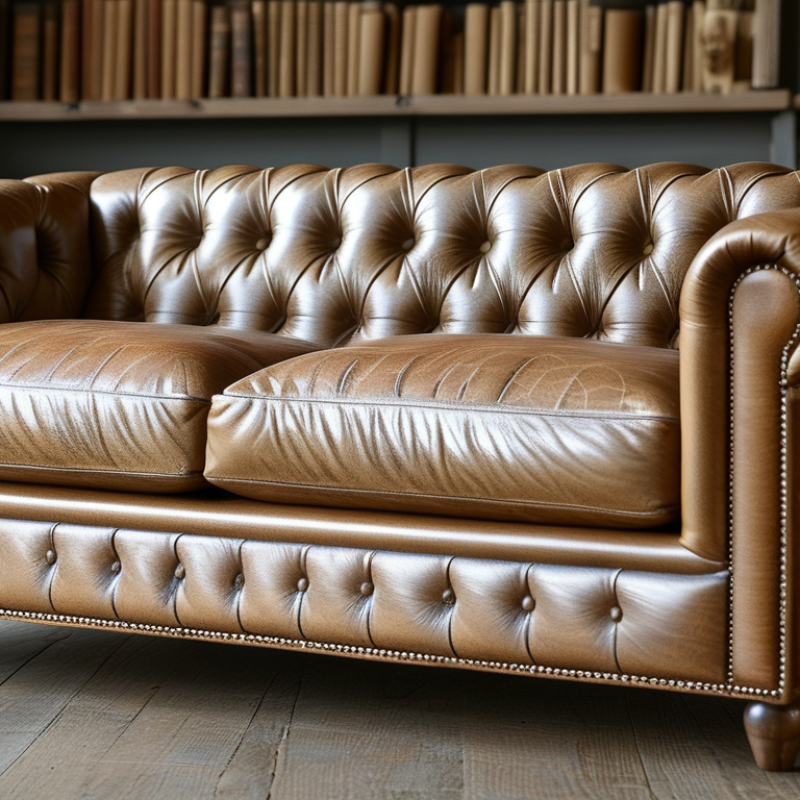
How to Identify High Quality Leather Furniture Tips for Buyers

Understanding the Basics of Leather Quality in Furniture

When looking at leather furniture, understanding the basics of leather quality is essential. Not all leather is created equal. The type of leather affects durability, appearance, and feel. Full-grain leather is the highest quality, with natural imperfections. It ages beautifully and maintains its integrity over time. Conversely, bonded leather is lower quality, often made from scraps. It may look fine initially, but it wears down quickly.

Texture is another indicator of quality. High-quality leather feels soft yet robust. Run your fingers over the surface. You should feel the natural grain. If it feels too smooth or plastic-like, it may not be genuine leather. Smell matters too. Real leather has a distinct earthy scent, while synthetic alternatives may have a chemical odor. Pay attention to these details.

Many buyers overlook the stitching. Well-crafted leather furniture has even, precise stitches. Uneven stitching can be a sign of poor craftsmanship. Also, assess the color consistency. High-quality leather displays rich, uniform color, free from blemishes. If you spot variations, consider it a red flag. Remember, investing time in understanding these aspects will lead to a more satisfying purchase.

Different Types of Leather Used in Furniture Production

When shopping for leather furniture, understanding the different types of leather is vital. Full-grain leather is the highest quality. It retains the natural grain and is durable. This leather ages beautifully, developing a unique patina over time. However, it requires regular care to maintain its appeal.

Top-grain leather is another common choice. It is slightly sanded, making it smoother but less durable than full-grain. It offers a more uniform appearance, which some buyers prefer. While it is still a quality option, it may not age as gracefully.

Then there’s bonded leather, made from leftover pieces. It is often less expensive but does not hold up over time. This type of leather can crack and peel, leading to disappointment. Understanding these materials helps buyers make informed decisions. Remember that quality is not just about looks; it also involves durability and care.

How to Identify High Quality Leather Furniture Tips for Buyers - Different Types of Leather Used in Furniture Production

Type of Leather Description Durability Maintenance
Full Grain Leather Made from the whole hide, retains natural surface and imperfections. Very Durable Requires conditioning and should be cleaned with leather cleaner.
Top Grain Leather Second-highest quality, sanded and refinish to remove scars. Durable Easy to maintain, can be wiped clean with a damp cloth.
Genuine Leather More affordable, made from leftovers of the tanning process. Moderately Durable Needs regular cleaning and some conditioning.
Bonded Leather Made from leather scraps bonded together, has a polyurethane coating. Less Durable Easy to maintain, can be wiped down but not as long-lasting.
Suede Soft, brushed texture, made from the underside of the hide. Less Durable Requires special care, susceptible to stains.

Key Features to Look for When Assessing Leather Furniture

When assessing leather furniture, several key features indicate quality. Genuine leather should have a rich texture and a natural look. Look out for variations in color and grain. These are signs of authenticity. Synthetic materials often mimic leather but lack the depth and character.

Tips: Always inspect the leather closely. Rub the surface gently; real leather will feel warm and soft. If it feels cold and plasticky, it may be a faux option. Check the stitching too. High-quality leather furniture has tight, even stitches. Uneven or loose threads may hint at poor craftsmanship.

Another important aspect is the leather's smell. Authentic leather has a distinct, pleasant scent. If it smells like plastic or chemicals, reconsider your choice. Remember, high-quality pieces may come at a higher price. However, investing in durable furniture can save you money over time.

Common Signs of High-Quality Leather Furniture

When shopping for leather furniture, quality is key. One of the first signs of high-quality leather is its softness and suppleness. Genuine leather feels warm and inviting. It should not be stiff or overly shiny, which can indicate lower-grade materials. Over time, high-quality leather develops a unique patina, enhancing its character and beauty.

Another important aspect to consider is the stitching. Look for clean, even stitching without loose threads. This detail shows craftsmanship and attention to quality. Durable leather furniture often has double-stitched seams, adding strength. Additionally, check for the thickness of the leather. Thicker hides generally last longer and withstand wear and tear.

Lastly, a distinctive smell can signify genuine leather. It should have a natural scent rather than a chemical odor. However, don’t overlook details like the furniture's frame. A sturdy hardwood frame supports the leather, ensuring robustness. Remember, high-quality leather furniture is an investment. Take your time to inspect these aspects carefully before making a purchase.

Tips for Maintaining and Caring for Leather Furniture

Maintaining leather furniture requires consistent care. Regular dusting with a soft cloth can prevent dirt buildup. Make it a routine. Even a simple wipe can extend the life of your pieces. Avoid using harsh cleaners. They can strip away natural oils, leading to cracks.

Conditioning leather is equally important. Use a suitable leather conditioner every six months. This keeps the material supple and helps resist wear. Applying a small amount with a soft cloth is often enough. Too much can create buildup, which looks unsightly.

Pay attention to spills. Wipe them up immediately. Use a clean, dry cloth to absorb excess liquid. For stubborn stains, a gently dampened cloth may help. Remember that patience is key. Sometimes, the best solution is to simply leave the stain alone for a while. This allows the leather to adjust naturally. Each piece tells a story. Treat it well, and it will serve you for years.

Leather Furniture Quality Comparison

This chart illustrates the quality levels of different types of leather used in furniture. Full grain leather stands out as the highest quality, providing durability and a premium feel, while bonded leather has the lowest quality rating, often used for budget-friendly options.

FAQS

: What is full-grain leather?

: Full-grain leather is the highest quality leather, retaining its natural grain and durability. It develops a unique patina over time.

How does top-grain leather differ from full-grain?

Top-grain leather is slightly sanded for a smoother finish. It is less durable and may not age as beautifully as full-grain.

What is bonded leather?

Bonded leather is made from leftover leather scraps. It is less expensive but can crack and peel over time.

What signs indicate high-quality leather furniture?

High-quality leather is soft and supple, not stiff or overly shiny, indicating lower-grade materials.

Why is stitching important in leather furniture?

Clean, even stitching without loose threads shows craftsmanship. Double-stitched seams add strength and durability.

How can I identify genuine leather by smell?

Genuine leather has a natural scent. A chemical odor typically indicates synthetic materials or lower-quality leather.

What role does the furniture frame play in quality?

A sturdy hardwood frame supports leather and ensures durability. It’s essential for long-lasting leather furniture.

Is leather furniture maintenance necessary?

Yes, proper care is needed, especially for full-grain leather. Regular care helps maintain its appeal and longevity.

Can I rely on the appearance alone to judge leather quality?

No, looks can be deceptive. Factors like smell, stitching, and thickness provide better insights into quality.

Is all expensive leather furniture high quality?

Not necessarily. Price doesn't guarantee quality. Inspect materials and construction details regardless of the price tag.

Conclusion

Understanding how to identify high quality leather furniture is essential for buyers looking to make a worthwhile investment. The article explores the fundamentals of leather quality, detailing the various types of leather commonly used in furniture production, such as full-grain, top-grain, and bonded leather. Key features to assess include texture, smell, and the craftsmanship of stitching, which collectively indicate the leather's durability and overall quality.

Moreover, the article outlines common signs of high-quality leather furniture, such as natural imperfections that showcase authenticity and a rich, inviting patina that develops over time. Lastly, it provides useful tips for maintaining and caring for leather furniture, ensuring that your investment not only looks good but also lasts for years to come. Understanding these aspects will empower buyers to make informed choices in their furniture selections.

Madeline

Madeline

Madeline is a dedicated marketing professional with a wealth of expertise in our company's core offerings. With a keen understanding of the industry, she brings a unique perspective to her role, consistently delivering high-quality content that highlights the superior aspects of our products. As......