How to Fix a Sagging Sofa Cushion DIY in 2026?
A sagging sofa cushion can make an entire living room feel tired. Fortunately, learning how to fix a sagging sofa cushion DIY often requires basic tools, careful measuring, and patience. Before buying replacement foam, inspect the cushion cover, zipper, batting, and support beneath the seat. A flattened foam core, broken webbing, or a weak plywood base needs a different solution. Guessing here can waste money.
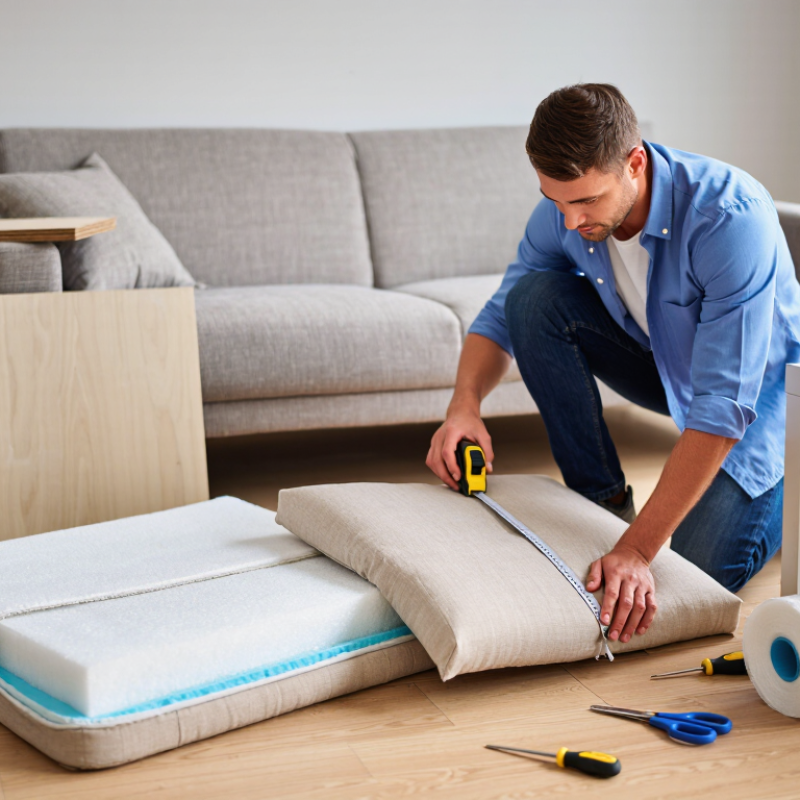
Upholstery educator and furniture-restoration specialist Charles Ward advises, “Support the cushion before you improve its appearance.” That principle guides this 2026 DIY approach. Remove the cushion and place it on a flat floor. Measure its length, width, and thickness at several points. Uneven measurements reveal compression. Add a firm, high-density foam insert, then wrap it with polyester batting. The batting should smooth sharp edges without making the cover painfully tight. If the cushion still collapses, examine the seat deck and springs underneath. A folded plywood panel can provide temporary support, but it may create a hard spot. Not every quick fix feels right.
This guide focuses on practical repairs, safe material choices, and realistic results. You will see when to replace foam, reinforce fabric, or call a professional upholsterer. Keep the original cover nearby during every fitting test. Small errors show quickly. A cushion may look fuller yet feel uncomfortable. That is part of the learning process. Measure again, test the seat, and accept that a modest repair may outperform an ambitious one.
Identify the Causes and Severity of a Sagging Sofa Cushion
A sagging sofa cushion usually reveals more than worn fabric. Compressed foam, flattened fiber filling, broken support webbing, or displaced springs can create the dip. Moisture and repeated pressure in one sitting position may also weaken materials. I once blamed the cushion alone, but the frame support underneath had partly shifted. That mistake taught me to inspect below the cover.
Start by removing the cushion and placing it on a flat floor. Measure its height beside a firm cushion of similar size. A shallow dip under two centimeters may indicate tired filling. A deeper hollow, uneven edge, or cushion that stays folded suggests serious compression. Press the center with your palm, then release it. Slow recovery means the foam has probably lost resilience. Check for torn stitching, broken threads, or lumps inside the cover.
Look beneath the sofa with a flashlight. Sagging webbing feels loose, while damaged springs may produce clicking or uneven resistance. A tilted frame needs professional attention, because adding foam will only hide the structural problem. For a mild cushion dip, reshaping the filling and rotating the cushion can help. Do not overstuff it. Excess pressure may split seams. Take measurements before buying replacement foam, and record the original thickness. My own first repair was too firm and uncomfortable, so testing a small insert would have been wiser.
How to Fix a Sagging Sofa Cushion DIY in 2026? - Identify the Causes and Severity of a Sagging Sofa Cushion
| Inspection Dimension | Observable Condition | Typical Severity | Common Measurement or Test | Likely Cause | Recommended DIY Action | Expected Improvement |
|---|---|---|---|---|---|---|
| Cushion height | The seat is visibly lower than adjacent cushions or the original sitting height. | Mild | Less than 2.5 cm lower | Normal compression from daily use or slightly flattened fiber fill. | Remove the cover, redistribute the filling, and rotate or flip the cushion if its construction allows. | Moderate |
| Cushion height | The cushion has a noticeable dip in the center but still returns partially after use. | Moderate | 2.5–5 cm lower | Compressed foam, shifted batting, or uneven distribution of loose fill. | Add a properly sized upholstery foam layer or polyester batting beneath the existing fill; close the cover without overstuffing. | Good |
| Cushion height | The cushion remains deeply collapsed and provides little support. | Severe | More than 5 cm lower | Permanent foam fatigue, broken internal support, or a damaged cushion core. | Replace the foam core with upholstery-grade foam of the correct thickness and firmness; inspect the cover before refitting. | High if the core is replaced |
| Foam condition | Foam feels soft, crumbly, powdery, or breaks apart when squeezed. | Severe | Compression recovery is poor | Age-related deterioration caused by repeated loading, heat, moisture, or prolonged compression. | Replace the entire foam insert rather than adding loose material around deteriorated foam. | Very high |
| Fiber or down fill | The cushion feels lumpy, flat in places, or noticeably lighter on one side. | Moderate | Uneven thickness by more than 2.5 cm | Filling has migrated, compacted, or lost loft through regular use. | Fluff and redistribute the fill manually; add small amounts of compatible filling only after checking the cover seams. | Good |
| Seat deck or support | The cushion seems sound, but the area underneath sinks when pressed. | Severe | Support deflects more than about 2.5 cm | Stretched webbing, displaced springs, cracked slats, or a weakened seat frame. | Remove the cushion and inspect the support system. Tighten accessible hardware or replace damaged webbing; do not overload a cracked frame. | Variable |
| Cushion cover fit | The cover is loose, wrinkled, or has excess fabric after the insert is positioned. | Mild | Visible slack along seams | Cover has stretched, the insert has shrunk, or the filling has compacted. | Center the insert, smooth the corners, and use a thin layer of batting to restore a closer fit. | Moderate |
| Moisture or odor | The cushion smells musty, feels damp, or shows discoloration near the bottom. | Severe | Persistent odor after thorough drying | Water exposure, inadequate drying, or possible microbial growth weakening the fill. | Stop using the cushion until it is fully assessed. Dry minor dampness completely; replace contaminated foam or seek professional cleaning for extensive damage. | Variable |
| Usage pattern | Only one seat or one side of the sofa is noticeably lower. | Mild to Moderate | Compare neighboring cushions | Repeated sitting in the same position, concentrated loads, or jumping on the sofa. | Rotate cushions weekly when possible, alternate seating positions, and avoid concentrated point loads. | Preventive |
| Safety and structure | You hear cracking, feel sharp edges, or see loose hardware or broken frame parts. | Critical | Visible structural damage | Frame failure, broken spring components, or unsafe fasteners. | Stop using the seat and repair or replace the damaged structural parts before attempting cosmetic cushion repairs. | Requires repair first |
FAQS
Compressed foam, flattened fiber filling, loose webbing, or displaced springs can create a dip. Moisture and repeated sitting can worsen it. Not always the cushion.
Place the cushion on a flat floor beside a firm cushion. Measure the height and depth of the hollow. A dip below two centimeters may indicate tired filling.
Press the cushion center with your palm, then release it. Slow recovery suggests reduced foam resilience. A cushion that stays folded may need replacement.
Yes. Unzip it slowly and avoid forcing the corners. Photograph each layer before removal. This helps prevent confused reassembly later.
Check for torn stitching, broken threads, crushed foam, and flattened fiber wrap. Lumps or dark dust lines may show repeated rubbing. Small clues matter.
No. Inspect the deck, webbing, springs, and frame underneath. Loose webbing, cracked plywood, or a tilted frame may require professional attention.
Measure the original foam before ordering. Residential seat foam near 1.8 pounds per cubic foot is often a practical minimum. Denser foam usually lasts longer.
For mild sagging, rotate the cushion and redistribute the filling evenly. Avoid overstuffing it. Excess pressure can split seams.
Test a small foam insert before buying a full replacement. My first repair felt too firm. A small trial would have been wiser.
Conclusion
Learning how to fix a sagging sofa cushion DIY begins with identifying why the cushion has lost its shape and judging how serious the problem is. Check whether the issue comes from compressed foam, flattened filling, or weak support beneath the cushion. Then prepare basic tools and materials, such as scissors, a measuring tape, replacement foam or fiber filling, a protective cloth, and suitable fasteners. Before making repairs, carefully remove the cushion cover and inspect the inner structure for damaged seams, uneven padding, or weakened support layers.
Once the cause is clear, restore the cushion by adding or replacing foam, distributing filling evenly, or placing a firm support layer beneath the existing material. Shape the insert gradually so the cushion remains comfortable without becoming overly rigid. Refit the cover, close it securely, and return the cushion to the sofa. Finally, sit on it from several angles and check its height, stability, and comfort. With patience and careful adjustment, how to fix a sagging sofa cushion DIY becomes a practical way to improve seating without replacing the entire sofa.
