Why is Ergonomic Office Furniture Essential for Back Pain Relief?

Time:2026-07-02 Author:Isabella
0%

Back pain is a common issue for many professionals today. Long hours at a desk often lead to discomfort and health problems. This raises an important question: why is ergonomic office furniture important for back pain?

Ergonomic office furniture is designed to support the body’s posture. It encourages proper alignment of the spine and reduces strain on muscles. Without proper support, sitting can become harmful. Many people experience chronic back pain due to poor seating choices.

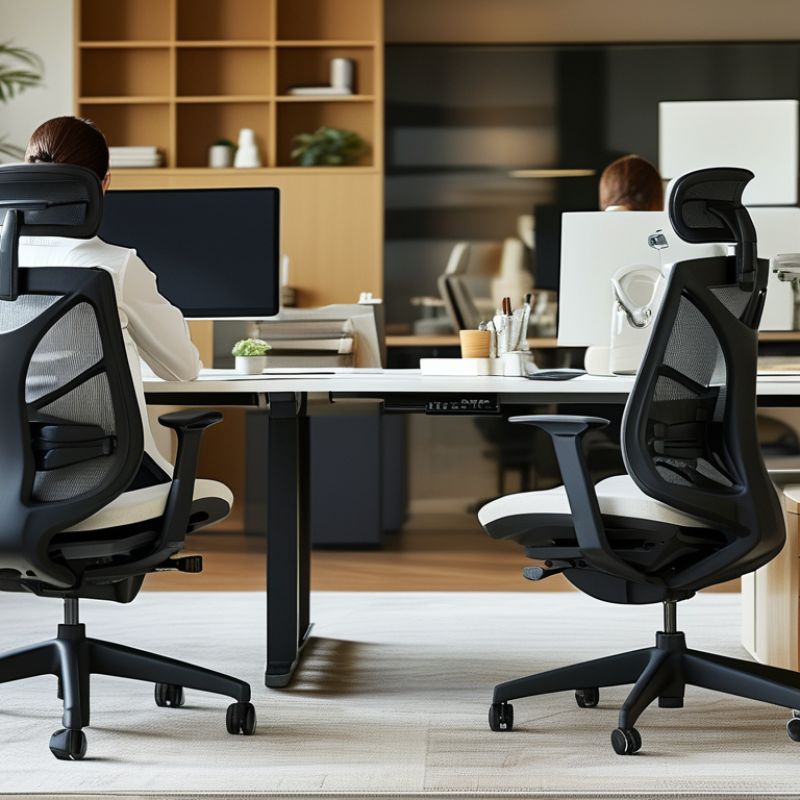
Investing in ergonomic solutions can lead to significant relief. Chairs with lumbar support and adjustable desks promote better sitting habits. Choosing the right office setup can minimize discomfort. It requires reflection on individual needs and preferences. Not every piece will suit everyone, but trying them can help find what works best. Creating a comfortable workspace is not just a luxury; it’s essential for long-term health and productivity.
Why is Ergonomic Office Furniture Essential for Back Pain Relief?

Understanding Back Pain: Causes and Consequences

Back pain is a prevalent issue affecting many people today. Numerous factors contribute to this discomfort. Poor posture while sitting, prolonged hours at desks, and inadequate support from furniture can all lead to back pain. Muscles and ligaments can become strained over time, leading to chronic pain. Furthermore, sedentary lifestyles can worsen this issue, as weak muscles can no longer support the spine effectively.

The consequences of back pain can be significant. It may hinder daily activities, making simple tasks challenging. This pain can also affect mental health, causing anxiety and stress. Working in discomfort can reduce productivity, leading to frustration. Individuals often find it difficult to concentrate when their back hurts. It's essential to recognize that addressing the underlying causes, like poor workspace ergonomics, can help alleviate these issues. Investing in proper support may lead to a notable improvement in daily comfort and overall well-being.

The Role of Posture in Office Work and Back Health

In the modern office, posture is a crucial factor affecting back health. Many people sit for hours. This can lead to musculoskeletal issues, especially in the lower back. Poor posture often stems from inadequate seating and desk height. A chair that does not support the lumbar region can increase discomfort. Simple changes can make a significant difference.

Research shows that maintaining proper posture reduces strain on the spine. Ergonomic furniture helps align your body. This ensures that your knees are at the right angle. Your feet should rest flat on the floor. The screen should be at eye level, too. When all these elements align, it creates a more balanced sitting position. Over time, this can promote healing and prevent further pain.

However, awareness of posture is often lacking. Many individuals don’t realize how slouching affects their health. A quick check of your sitting position can uncover bad habits. Regular breaks can also be a vital part of the solution. These small adjustments lead to long-term relief and comfort at work.

Impact of Ergonomic Office Furniture on Back Pain Relief

This chart illustrates the percentage of users reporting relief from back pain based on their office furniture choices. Ergonomic chairs and standing desks significantly reduce the percentage of users experiencing back pain compared to standard chairs and poor posture, emphasizing the importance of ergonomic solutions in office environments.

Key Features of Ergonomic Office Furniture

Ergonomic office furniture plays a crucial role in alleviating back pain. When choosing ergonomic chairs or desks, certain key features can enhance comfort and support. Adjustable seat height is essential. It allows users to find the perfect position for their legs and feet. The right angle keeps the spine in a neutral position, reducing strain.

Lumbar support is another vital feature. Chairs with built-in lumbar support help maintain the natural curve of the lower back. This promotes proper posture. Some chairs also offer adjustable backrests for personalized comfort. Additionally, desk height should be adjustable as well. This flexibility enables users to alternate between sitting and standing, relieving pressure on the spine.

Armrests can provide support to reduce shoulder strain. They should be adjustable to fit individual arm lengths. A cushion that is neither too soft nor too firm can greatly affect comfort levels. Users may need to try different options to find the right fit for their bodies. While ergonomic furniture can be beneficial, individual experiences may vary. It’s important to listen to one's body and make adjustments as needed.

How Ergonomic Furniture Alleviates Back Pain

Ergonomic office furniture plays a pivotal role in alleviating back pain. Studies show that nearly 80% of adults experience back pain at some point in their lives. Poor posture at work is a significant contributor. An ergonomic chair supports the natural curve of the spine, reducing strain on the back muscles. This design encourages proper alignment, which is essential for long hours of sitting.

Adjustable desks are another ergonomic solution. Research indicates that using sit-stand desks can decrease back pain by up to 54%. These desks allow users to alternate their position, promoting movement throughout the day. Movement is crucial; it enhances blood flow and reduces stiffness. However, simply standing is not always the answer. Overdoing it can lead to fatigue and discomfort. Balance is key to reaping the benefits.

Chairs with lumbar support and adjustable armrests offer personalized comfort. A 2021 ergonomic study suggests that proper lumbar support can significantly reduce discomfort. However, not everyone uses these features correctly. Many people overlook adjusting their chair height or backrest. An ergonomic setup requires mindfulness and regular adjustments to remain effective.

Why is Ergonomic Office Furniture Essential for Back Pain Relief? - How Ergonomic Furniture Alleviates Back Pain

Feature Description Impact on Back Pain
Adjustable Chairs Chairs that can be adjusted for height, lumbar support, and recline angle. Helps maintain natural spine alignment, reducing strain on the back.
Standing Desks Desks that can be adjusted for sitting or standing positions. Encourages movement, reducing the risks of back pain associated with prolonged sitting.
Lumbar Support Cushions Cushions designed to support the lower back. Supports the natural curve of the spine, alleviating pressure on the lower back.
Footrests Devices that support the feet while seated. Improves posture and promotes proper leg positioning, enhancing comfort.
Monitor Stands Stands that elevate computer monitors to eye level. Reduces neck strain and promotes a more neutral spine position during work.

Choosing the Right Ergonomic Office Setup for Your Needs

Creating an ergonomic office setup is vital for anyone suffering from back pain. Begin by assessing your chair. Look for adjustable features that support your lower back. A chair with lumbar support can reduce strain during long hours of work. Consider height adjustability to ensure your feet rest flat on the ground. This promotes proper posture.

Next, think about your desk arrangement. The height of your desk should allow your elbows to remain at a 90-degree angle. An elevated monitor can help reduce neck strain. Ensure your keyboard is positioned so that your wrists are straight while typing. These small adjustments can lead to significant comfort improvements.

Don't ignore the importance of breaks. Remember to stretch and change positions regularly. However, many people overlook this crucial step. Sitting still for too long can counteract the benefits of a well-designed workspace. Reflect on your daily routine and consider how often you pause to move. Frequent breaks can greatly enhance your overall comfort and well-being.

FAQS

: What are common causes of back pain?

: Back pain often results from poor posture, long hours of sitting, and inadequate furniture support.

How can poor posture affect my back health?

Poor posture increases strain on the lower back and can lead to chronic pain over time.

What role does an ergonomic setup play?

An ergonomic setup aligns the body, supporting the spine and reducing discomfort during work.

How can I improve my sitting posture at work?

Adjust your chair for lumbar support, keep your feet flat, and monitor at eye level for better posture.

Are frequent breaks important for back health?

Yes, regular breaks can relieve strain and prevent further pain from prolonged sitting.

Why do people often ignore posture awareness?

Many individuals are unaware of their slouching habits and the negative impact on their health.

What should I look for when choosing an office chair?

Look for adjustable lumbar support and height features to promote good posture while seated.

How can desk height affect my back?

A desk that allows elbows to rest at a 90-degree angle can prevent strain on the neck and back.

What small adjustments can lead to comfort?

Position your keyboard for straight wrists and take regular movement breaks to enhance comfort.

How can back pain affect daily activities?

Back pain can make simple tasks challenging and lead to decreased concentration and productivity.

Conclusion

Ergonomic office furniture is critically important for back pain relief, as it plays a key role in promoting proper posture during long hours of work. Understanding the underlying causes of back pain, such as poor posture and inadequate support, highlights the necessity of ergonomic designs tailored to individual needs. Features such as adjustable chairs, desks, and proper lumbar support can significantly impact back health, allowing individuals to maintain a comfortable and supportive work environment.

The importance of ergonomic office furniture extends beyond mere comfort; it actively alleviates back pain by ensuring that the spine is correctly aligned and reducing strain on muscles and ligaments. In choosing the right ergonomic setup, one can enhance productivity while minimizing discomfort. Thus, understanding "why is ergonomic office furniture important for back pain" is essential for anyone looking to improve their work experience and overall well-being.

Isabella

Isabella

Isabella is a dedicated marketing professional with a sharp focus on driving brand growth and engagement through strategic content creation. With an extensive background in digital marketing, she combines her passion for storytelling with her keen understanding of industry trends to deliver......