How to Choose Kid Friendly Furniture That Lasts in 2026?
Choosing furniture for children is not only a style decision. It is a daily safety decision involving movement, spills, climbing, and rapid growth. Parents need to examine joints, finishes, weight limits, edges, and anchoring points before admiring colors or storage capacity. This is the practical foundation of how to choose kid friendly furniture that lasts.
The U.S. Consumer Product Safety Commission reports that furniture tip-overs send thousands of children to emergency departments each year. Its safety guidance repeatedly urges families to anchor dressers, bookcases, and televisions securely to walls. CPSC Chair Alex Hoehn-Saric has stated, “Anchor your furniture to the wall to prevent tip-overs.” That advice matters because a beautiful cabinet becomes dangerous when a child pulls one drawer open. ASTM furniture-safety standards, including ASTM F2057, also emphasize stability and anti-tip performance for clothing storage units.
Durability deserves equal attention. The American Society for Testing and Materials evaluates performance through stability, strength, and durability requirements. Meanwhile, market research from Grand View Research identifies rising demand for sustainable and long-lasting furniture, reflecting wider concerns about replacement costs and environmental waste. However, a report cannot predict every family’s reality. A toddler may test a chair with muddy shoes, while an older child may overload its shelves with textbooks.
Look for solid connections, washable fabrics, rounded corners, replaceable hardware, and transparent material information. Avoid assuming that higher prices guarantee better construction. Sometimes, they do not. A careful inspection, manufacturer documentation, and honest reflection about your child’s habits create a more reliable choice. This guide explores those details, including safety, materials, ergonomics, maintenance, and value over time.
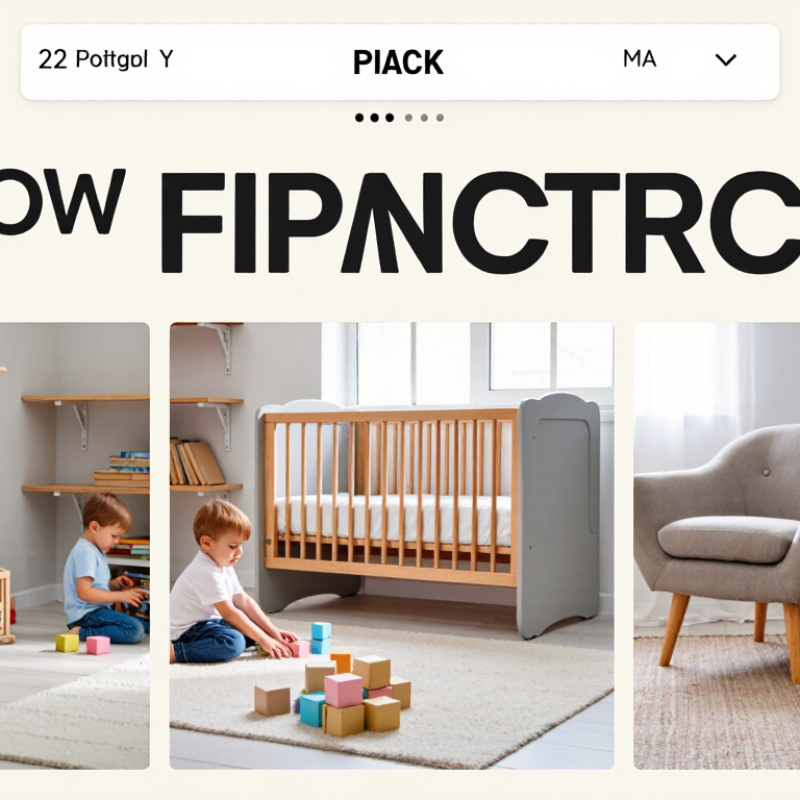
Define the Safety and Durability Needs of Your Child’s Furniture
Choosing kid-friendly furniture starts with defining the risks your child actually faces. A toddler may climb, pull drawers, or lean heavily against a shelf. Choose wide bases, strong joints, rounded edges, and secure anti-tip fittings. Check the stated weight capacity, then allow extra margin for active use. Furniture should not wobble on a flat floor.
Materials matter every day. Look for smooth surfaces, durable finishes, and fabrics that resist stains without releasing strong odors. Avoid small detachable parts, sharp hardware, and gaps that could trap fingers. Check current safety guidance in your region, and inspect assembly instructions carefully. Professional testing helps, but regular home checks remain essential.
Tips: Press gently against the frame before buying. Listen for creaks. Test drawers for smooth stops. Choose washable covers for messy meals. Anchor tall pieces to the wall. I once focused too much on appearance and overlooked a loose hinge. That mistake changed my checklist. Recheck screws after several weeks, especially when children climb or move furniture. A perfect choice on day one may need adjustments later. Safety is not only a product feature; it is an ongoing habit.
| Furniture Area | Key Safety or Durability Dimension | Recommended Purchasing Benchmark | Why It Matters | How to Check Before Buying |
|---|---|---|---|---|
| Stability and Tip-Over Prevention | Base width, center of gravity, and anti-tip attachment | Choose a broad, stable base and include a wall-anchor kit for dressers, bookcases, wardrobes, and other tall units. | Children may climb, pull drawers, or use furniture for support. Anchoring substantially reduces the risk of tip-over injuries. | Push the empty unit gently from several directions. Confirm that the supplied restraint can be fixed securely to a wall stud or an appropriate masonry anchor. |
| Structural Load Capacity | Rated static load for seats, shelves, drawers, and beds | Select furniture with a clearly stated load rating that exceeds the intended combined load of the child, bedding, books, and stored items. | Using furniture beyond its rated capacity can cause joint failure, shelf deflection, or sudden collapse. | Look for a documented load limit and test the construction for wobble, loose joints, cracked panels, or excessive shelf movement. |
| Edges and Corners | Sharp corners, exposed hardware, and edge finishing | Prefer rounded or softened edges, fully covered fasteners, and no exposed points or splinters at child-accessible height. | Softened edges reduce the severity of bumps and cuts during everyday play. | Run a dry cloth over all accessible edges. If it catches, the edge or surface may need sanding, capping, or replacement. |
| Entrapment and Pinch Points | Gaps around doors, drawers, hinges, and moving parts | Choose slow-close or damped hardware where practical, with guarded hinges and no accessible gaps that can trap fingers. | Small fingers can be injured by closing drawers, doors, folding parts, and poorly designed gaps. | Operate every moving part several times. Check that hinges are shielded, drawers stop securely, and doors cannot slam freely. |
| Surface and Finish Safety | Coating adhesion, chemical emissions, and cleanability | Use smooth, sealed, easy-clean surfaces and request documentation for applicable low-emission or formaldehyde-compliance requirements. | Durable finishes resist moisture, stains, peeling, and repeated cleaning while reducing exposure to irritating emissions. | Ask for material and finish information. Reject furniture with a strong persistent odor, bubbling laminate, flaking paint, or an unfinished child-accessible surface. |
| Material Moisture Resistance | Resistance to spills, humidity, and repeated wiping | For desks, dining furniture, and bathroom-adjacent storage, prefer sealed hardwood, quality plywood, or moisture-resistant panels with sealed edges. | Unsealed edges can swell and weaken when exposed to water, reducing service life and creating rough surfaces. | Inspect panel edges, screw holes, and underside surfaces. Confirm that water-prone areas are sealed rather than covered only on the top face. |
| Fasteners and Joinery | Joint strength, screw retention, and repairability | Prefer glued-and-screwed joints, metal cam or dowel systems, replaceable hardware, and clear assembly instructions. | Repairable joinery extends furniture life and helps prevent loosening after repeated use and relocation. | Inspect joints for gaps and verify that replacement screws, brackets, or drawer parts are available or use standard-size hardware. |
| Adjustable Ergonomics | Seat height, desk height, foot support, and posture | Choose furniture that allows the child’s feet to rest flat, knees to remain near a right angle, and elbows to sit comfortably at the work surface. | Proper fit supports comfortable posture and allows the same furniture to remain useful as the child grows. | When seated, check for supported feet, a stable back position, and shoulders that remain relaxed while writing or eating. |
| Bed and Bunk Safety | Guardrails, ladder security, mattress fit, and structural support | Use a mattress that fits without hazardous gaps, secure guardrails on elevated beds, and a firmly attached ladder with slip-resistant steps. | Falls and entrapment are major risks associated with elevated sleeping furniture. | Follow the product’s age and height guidance, check all fasteners regularly, and verify that the mattress base and guardrails do not move independently. |
| Storage and Drawer Safety | Drawer stops, weight distribution, and accessible storage height | Choose drawers with stops or interlocks where appropriate, place heavy items low, and avoid storing climbable objects on top. | Controlled drawers reduce pull-out hazards, while low storage improves stability and lowers the chance of climbing. | Open several drawers at once to check stability, test the stops, and confirm that heavy contents can be stored in the lowest compartments. |
| Fire and Heat Awareness | Distance from heat sources and textile performance | Keep furniture and upholstered items away from heaters, radiators, candles, and open flames; select upholstery with safety information appropriate to the local market. | Clearance reduces ignition and heat-damage risks, while suitable upholstery can support safer household use. | Follow the heater manufacturer’s clearance instructions and avoid placing curtains, blankets, or upholstered furniture against heat-producing equipment. |
| Cleaning and Hygiene | Non-porous surfaces, removable covers, and resistance to disinfectants | Prefer sealed, non-absorbent surfaces and machine-washable covers for high-contact furniture such as chairs, play tables, and seating. | Furniture that tolerates routine cleaning is more likely to remain hygienic and attractive over many years. | Read the care label, test cleaning products on a hidden area, and avoid materials that stain, crack, or become tacky after wiping. |
| Long-Term Value | Warranty, spare parts, modularity, and expected use period | Prioritize repairable designs with replaceable covers, hardware, shelves, or components and a written warranty of at least one year. | Repairability reduces waste and operating cost while allowing furniture to adapt as the child grows. | Check warranty exclusions, replacement-part availability, maximum recommended age or weight, and whether the design can be adjusted or reconfigured. |
Note: The benchmarks above are practical purchasing guidelines rather than a substitute for local laws, product standards, manufacturer instructions, or professional safety assessments. Always follow the safety instructions supplied with the furniture and anchor tall or unstable units securely.
FAQS
It should withstand climbing, pulling, leaning, spills, and sudden movement. Toddlers test furniture like playground equipment. Choose stable designs.
Attach tall shelves and cabinets securely to the wall. Use reliable anti-tip fittings. Check them again after several weeks.
Solid wood, sturdy plywood, and low-emission panels are practical choices. Avoid brittle plastic and exposed sharp metal. Check underneath, too.
Choose smooth, fully cured, water-based finishes with clear safety information. Avoid peeling coatings and strong odors. Test the surface carefully.
Press the frame gently on a flat floor. Listen for creaks. Open drawers and check their stopping mechanism.
Look for rounded edges, reinforced joints, stable legs, and secure drawer stops. Inspect hinges for finger-trapping gaps.
Washable covers help after meals and muddy play. Tightly woven fabric may survive repeated cleaning better. Cleaning claims can be optimistic.
Leave clear walking space around every piece. Children move quickly and rarely notice corners. A crowded room creates avoidable bumps.
Not necessarily. I once chose appearance over a loose hinge. That mistake changed my checklist. Recheck screws and moving parts regularly.
Confirm that it does not wobble, shift, or crack. Inspect screws, joints, and wall fittings periodically. Safety needs maintenance.
Conclusion
Learning how to choose kid friendly furniture that lasts begins with identifying your child’s safety, comfort, and everyday usage needs. Look for stable construction, rounded edges, secure fasteners, and materials with low-emission, child-appropriate finishes. Furniture should be properly sized for your child while offering enough flexibility to support changing needs as they grow. Practical features such as adjustable heights, accessible storage, and adaptable layouts can extend its usefulness and reduce the need for frequent replacement.
Long-term value also depends on easy cleaning, durable surfaces, and repairable parts. Before buying, consider how the furniture will handle spills, stains, movement, and regular wear. Compare construction quality, material sustainability, warranty or repair support, and total cost over time rather than focusing only on the initial price. A thoughtful choice should combine safety, function, durability, and timeless design, creating a comfortable environment that remains useful and dependable throughout childhood.
