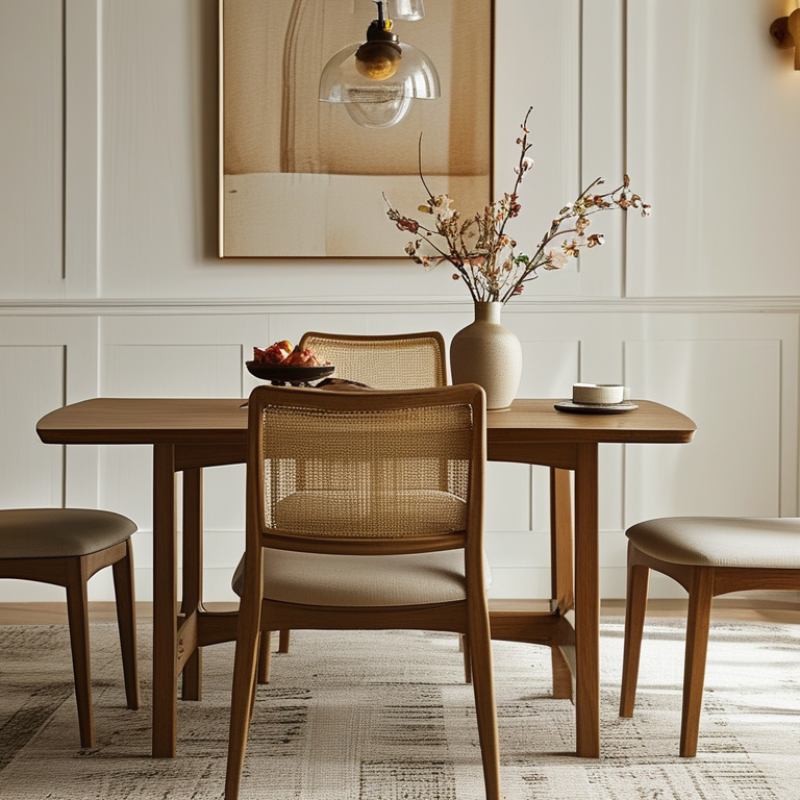
Choosing the right dining chairs for your home can feel overwhelming. Comfort is key, but many wonder, why are some dining chairs more comfortable than others? To answer this, one must consider various factors like material, design, and ergonomics.
The chair’s material plays a significant role. Cushioned seats generally offer more comfort than hard surfaces. Additionally, the chair's height and the curvature of the backrest can affect how well it supports your body. A well-designed chair will encourage good posture and reduce strain during meals.
It’s essential to test chairs personally. What feels comfortable to one person may not suit another. Sometimes, a chair may look great yet lack support. Pay attention to your body’s response when you sit. Even minor adjustments in design can lead to significant comfort differences. Finding the perfect fit takes time but is worth the effort.
Factors to Consider When Selecting Dining Chairs for Comfort
Choosing the right dining chairs for comfort involves careful consideration of several key factors.
Ergonomics is essential. A chair should support a natural, relaxed posture. Reports suggest that
inappropriate seating can lead to discomfort, with 44% of individuals experiencing back pain related
to poor seating choices.
Material plays a significant role in comfort. Soft, breathable fabrics often provide a cozier feel.
Leather may be stylish but can become hot or cold, depending on the weather. According to studies,
chairs with cushions perform better in comfort ratings than those without. Density matters; a
cushion that is too firm or too soft may not provide adequate support.
Tip: Test chairs in-store before making a purchase. Sit for a few minutes to assess comfort.
Don't rush the decision.
Another factor is the height of the chair. The distance between your dining surface and chair seat
should be around 10 to 12 inches. This ensures a comfortable fit for users of varying heights.
Chair legs should also allow for ample space for movement. An uncomfortable dining experience can
negatively impact gatherings.
Tip: Consider the purpose of your dining space. Will chairs be used for long meals or quick breakfasts?
Adjust your choice accordingly to maximize comfort.
Understanding Ergonomics and Its Importance in Chair Design
Ergonomics plays a crucial role in chair design. Understanding how the human body interacts with furniture helps create chairs that enhance comfort. When choosing dining chairs, consider how they support your back, neck, and posture. A well-designed chair should align with the natural curvature of your spine. Many chairs fail to provide adequate lumbar support, leading to discomfort during meals.
Seat height is another essential factor. A chair that is too high or low can strain your legs. Aim for a chair that allows your feet to rest flat on the floor. This simple adjustment can make a significant difference in your dining experience. Often, people overlook this aspect and end up with chairs that cause discomfort.
Materials also matter. Soft cushions can feel inviting, but they may not support your body effectively. A hard surface offers stability but might not be cozy for long dinners. Balance is key. When selecting dining chairs, reflect on your needs and preferences. Comfort is subjective; take time to test different options. What feels perfect for one person may not suit another. Making informed choices will lead to a more enjoyable dining atmosphere.
Materials and Upholstery Choices for Optimal Comfort
Choosing the right materials and upholstery for dining chairs is crucial for comfort. According to the American Home Furnishings Alliance, an ergonomic design significantly enhances user satisfaction. Selecting breathable fabrics helps in regulating body temperature during long meals. Cotton blends provide softness, while linen offers a more textured feel.
Leather is another popular choice for its durability and easy maintenance. However, it can sometimes feel cold or slippery. Not all people enjoy sitting on leather for extended periods. Similarly, synthetic fabrics might not be as breathable, leading to discomfort in warmer months. Consider padded upholstery; it often balances resilience with comfort.
The filling of the chair also matters. Foam cushioning is common, but not all foams are created equal. High-density foam provides support but can become less comfortable over time. Memory foam is famous for its contouring ability, adapting to body shape. Yet, too much softness can lead to a feeling of being “sunk in,” which some may find uncomfortable. Always test different options before making a choice. Your ideal dining chair should support, not hinder, your mealtime experiences.
Evaluating Chair Height and Depth for Better Dining Experience
Choosing dining chairs can greatly affect your dining experience. When evaluating chair height and depth, remember that comfort is key. The ideal chair height typically ranges between 17 to 19 inches from the ground. This allows enough space for your legs under the table without feeling cramped. If your chair is too low, you may struggle to sit or stand comfortably.
Depth is another important factor. Standard dining chairs are about 16 to 18 inches deep. A deeper chair may seem cozy but might hinder your posture over long meals. Consider your table's height as well. A higher table may require taller chairs, while a lower table may benefit from a seat with a bit of extra height.
Tips: Measure your table height before purchasing chairs. Sit in different chairs to test comfort. Ensure there is a balance between back support and legroom. Don't shy away from asking friends or family about their favorite chairs. Their insights may guide you in making a thoughtful decision. Be open to exploring various chair designs and styles; sometimes, the unexpected might become your favorite.
How to Choose the Most Comfortable Dining Chairs for Your Home?
| Chair Style |
Seat Height (inches) |
Seat Depth (inches) |
Material |
Comfort Rating (1-5) |
| Traditional Dining Chair |
18 |
16 |
Wood |
4 |
| Modern Upholstered Chair |
19 |
18 |
Fabric |
5 |
| Rustic Wooden Chair |
17 |
15 |
Reclaimed Wood |
3 |
| Contemporary Metal Chair |
18 |
17 |
Metal |
4 |
| Dining Bench |
18 |
14 |
Wood |
4 |
Style and Aesthetics: Balancing Comfort with Home Decor
Choosing dining chairs is not just about comfort. Style and aesthetics play a crucial role too. The dining area often reflects your personal taste and the overall vibe of your home. When picking chairs, consider the color, shape, and materials. Wooden chairs may offer a rustic charm, while metal can bring a modern touch.
Also, think about how the chairs will fit with your table and surrounding decor. A minimalist table might clash with ornate chairs. Striking a balance is essential. You might love a design that lacks support. This could lead to discomfort over long meals. Testing various styles helps you find what truly works.
Lighting and space can influence your choice as well. Darker colors might absorb light, making the space feel smaller. On the other hand, lighter hues can create a more open feel. Reflect on how these elements connect. Remember, comfort doesn’t have to sacrifice style. Aesthetic appeal can coexist with functionality.
Conclusion
When choosing the most comfortable dining chairs for your home, several factors come into play that contributes to why some dining chairs are more comfortable than others. Understanding ergonomics is crucial, as it focuses on designing chairs that support the natural posture and movements of the body, promoting better comfort during meals. Additionally, the choice of materials and upholstery plays a significant role in enhancing comfort, ensuring a pleasant seating experience over extended periods.
Evaluating the height and depth of chairs is essential for optimizing the dining experience, as an incorrect fit can lead to discomfort. Finally, balancing style and aesthetics with comfort ensures that your dining space not only looks appealing but also provides a welcoming and relaxing atmosphere for dining. By carefully considering these factors, you can select dining chairs that enhance both comfort and your home decor.