Choosing the right fabric for pet-friendly sofas is essential for both comfort and durability. Experts in interior design, like Dr. Susan Hargrove, emphasize the importance of selecting fabrics that can withstand the test of time and the playful spirit of pets. She states, "The best fabric for pet-friendly sofas balances style, durability, and ease of cleaning."
When exploring what is the best fabric for pet-friendly sofas, several factors come into play. Considerations include the fabric’s texture, resistance to stains, and ability to retain its look over time. Some materials, like leather and microfiber, offer excellent durability but can vary in maintenance needs. These choices often reflect what suits both your lifestyle and your pet's habits.
Finding the perfect balance can be daunting. Each family and pet has unique requirements. For example, a fabric that resists pet hair might not be the best choice for scratch resistance. Therefore, it’s crucial to weigh these attributes carefully. The right fabric ensures your sofa not only looks great but also remains a welcoming space for you and your furry friends.
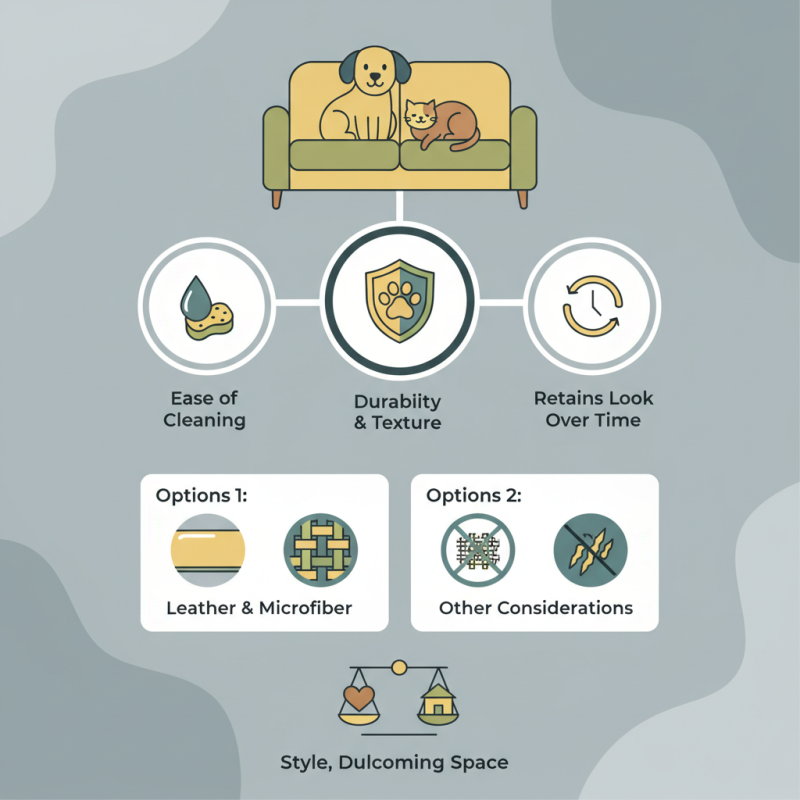
Choosing the right fabric for a pet-friendly sofa requires careful consideration of durability, stain resistance, and comfort. According to a report by the American Pet Products Association, 67% of households in the U.S. own a pet. This statistic highlights the importance of selecting materials that can withstand the wear and tear caused by our furry friends. Fabrics like microfiber and canvas are popular choices due to their resilience and ease of cleaning. Microfiber repels liquids, making it less likely that stains will set in.
Additionally, look for tightly woven fabrics. They tend to be less prone to snagging, which is ideal for homes with cats. A study by the Furniture Today indicated that 70% of pet owners prioritize easy maintenance when buying furniture. While natural fibers like cotton can be comfortable, they often lack durability compared to synthetic options. However, cotton blends can offer a balance between softness and endurance. It’s essential to reflect on your lifestyle and your pet’s behavior when making this choice. Choosing a fabric that complements your home and meets your pet's needs may require multiple trials and adjustments.
When selecting fabric for pet-friendly sofas, certain key features stand out. First, consider durability. Fabrics like microfiber and canvas tend to resist wear and tear better than others. They are woven tightly, which helps prevent snagging from claws. Look for materials that can withstand playful pets without showing signs of damage quickly.
Another important aspect is stain resistance. Some fabrics are treated for stain repellency, making them easier to clean. For instance, polyester blends often resist spills well. Easy maintenance is a necessity for pet owners. Ensure that the fabric can be cleaned easily, whether by wiping down or brushing off debris.
It's also wise to check for colorfastness. Pets can be messy, and their accidents may lead to discoloration over time. A colorfast fabric will maintain its hue even after repeated washings. Don't overlook this quality when choosing your sofa fabric. Remember, the right fabric should balance style, comfort, and functionality.
| Fabric Type | Durability | Stain Resistance | Scratch Resistance | Easy to Clean |
|---|---|---|---|---|
| Microfiber | High | Good | Moderate | Yes |
| Canvas | High | Moderate | Good | Yes |
| Microdenier | Very High | Excellent | Moderate | Yes |
| Leather | Very High | Good | High | Yes |
| Synthetic Blends | High | Good | Moderate | Yes |
When selecting fabric for pet-friendly sofas, durability is key. Reports show that synthetic fabrics like polyester and nylon resist wear better than natural fibers. According to a study by the American Fabric Institute, 70% of pet owners prefer these materials for their resilience. Scratches and stains can easily ruin a sofa, and synthetic options often provide the upper hand in maintenance and longevity.
Comfort is another important factor. While natural fabrics like cotton and linen may feel softer, they can absorb odors and dirt more readily. A survey found that 65% of pet owners experienced fabric odor issues with natural fibers. Conversely, performance fabrics designed for pets offer stain resistance and easy cleaning, balancing comfort and function. Yet, these fabrics may lack the plush feel that some consumers desire. It’s a trade-off worth examining.
Heightened awareness about allergies and sensitivities also influences choices. Many expert reports emphasize the need for hypoallergenic options. Sofas with tightly woven fabrics can reduce the possibility of allergens settling in. However, these can sometimes compromise breathability. Such complexities highlight that the best choice may still depend on personal preferences and specific household situations.
When selecting a pet-friendly sofa, maintenance is crucial. Regular cleaning can extend the life of your furniture. According to the American Pet Products Association, 70% of U.S. households own pets. This statistic highlights the need for easy-to-clean fabrics.
Consider robust materials like microfiber or leather. These fabrics resist stains and odors. It’s wise to vacuum your sofa weekly. This action removes hair and dirt, preventing buildup. Spot cleaning is essential for spills. Keep a pet-friendly cleaning solution nearby for quick responses.
Industry reports indicate that sofas with removable covers are worth considering. You can machine wash these covers. This feature can save you from persistent stains. However, some pet owners overlook this simple maintenance. They may underestimate the importance of a clean living space. Not all fabrics hold up well against scratches or chewing. Research and choose wisely. Your furniture should reflect both style and practicality.
When choosing upholstery for pet-friendly sofas, consider colors and patterns that help hide pet hair and stains.
Darker shades tend to be more forgiving. Colors like navy,
charcoal, or deep green can mask dirt and fur.
Patterns can also be beneficial. Stripes or textured fabrics might distract the eye from any mess.
It's also important to think about the fabric weave. A tighter weave can prevent hair from sticking as easily.
For instance, fabrics with a bit of texture can be easier to clean.
Smooth fabrics tend to show everything. However, they also require careful maintenance. Test how easy it is to remove hair
from your chosen fabric. You might be surprised at how different they can be.
Remember, pet-friendly doesn't mean sacrificing style. You can find beautiful options that cater to your furry friends.
However, it's necessary to be realistic about upkeep and maintenance. Some fabrics may look nice but aren’t practical.
Reflect on how much time you can dedicate to keeping your sofa clean. Always prioritize durability,
but don’t forget about aesthetics. Your home should remain a comfortable haven for all, including your pets.
: Durability is crucial. Fabrics like microfiber and canvas resist wear and tear effectively.
Stain resistance is essential. Treated fabrics make cleaning easier and manage spills better.
Colorfastness is the ability to maintain color after washing. It prevents discoloration from pet accidents.
Synthetic fabrics like polyester and nylon are preferred for their resistance to scratching and staining.
Natural fabrics like cotton can absorb odors and dirt, leading to unwanted smells over time.
Yes, hypoallergenic options exist. Tightly woven fabrics can minimize allergens but may reduce breathability.
Easy maintenance is vital. Fabrics should allow for simple cleaning, either by wiping or brushing off debris.
Performance fabrics offer easy cleaning but may lack the plush feel some users want. This is a personal choice.
When selecting a sofa that can withstand the demands of pet ownership, understanding the best fabrics for pet-friendly sofas is crucial. Ideal materials should possess key features such as durability, resistance to scratches, and ease of cleaning. Commonly recommended fabrics include microfiber, leather, and synthetic blends, each offering unique benefits in terms of comfort and resilience against pet wear and tear.
Moreover, maintaining a pet-friendly sofa requires regular upkeep, including vacuuming and spot cleaning. To further enhance the longevity of your sofa, choosing colors and patterns that can hide pet hair and stains is essential. By considering these aspects, you can ensure that your living space remains stylish and comfortable, while also catering to the needs of your furry companions.
